Understanding the Risks: What Happens If You Wear Headphones for Too Long?
Wearing headphones for too long can lead to permanent hearing loss, tinnitus, ear infections, and excessive earwax buildup. When you exceed safe listening limits, the delicate hair cells in your inner ear become overworked and eventually die, a condition known as Noise-Induced Hearing Loss (NIHL). Medical experts generally recommend the 60/60 rule: listening at no more than 60% volume for a maximum of 60 minutes at a time to prevent long-term damage.
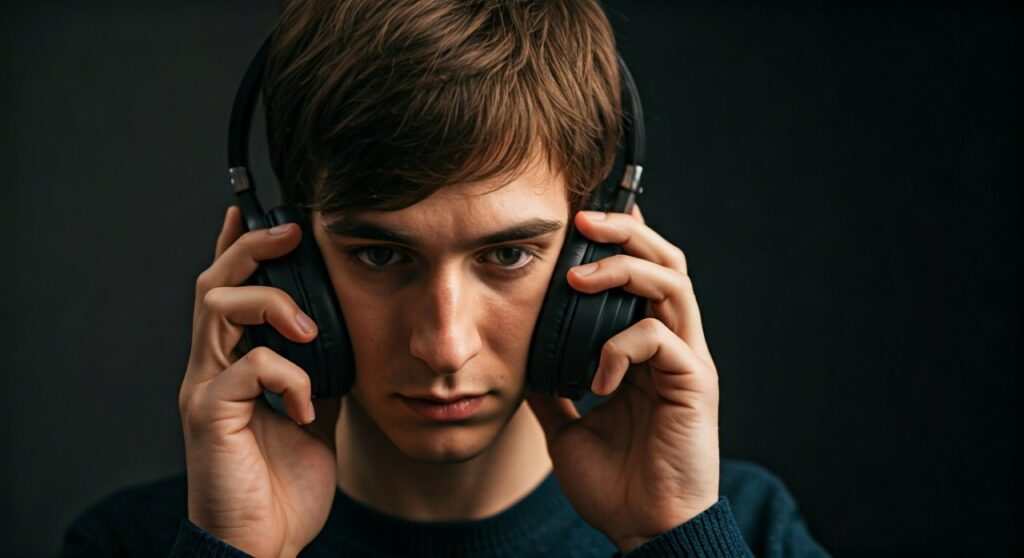 Wear Headphones for Too Long? (Safety Guide)” title=”What Happens If You Wear Headphones for Too Long? (Safety Guide)” class=”wp-image-13405″ />
In our hyper-connected world, we often use headphones for 8 to 10 hours a day during work, commuting, and exercise. While convenient, this constant acoustic pressure creates a “pressure cooker” environment in your ear canal. Without proper breaks, you risk developing otitis externa (swimmer’s ear) or chronic ear fatigue that can affect your concentration and balance.
Key Takeaways: Safe Headphone Usage at a Glance
If you are in a hurry, here are the critical facts about extended headphone use:
- The 60/60 Rule: Limit usage to 60 minutes at 60% volume to minimize risk.
- Hearing Damage: Sound levels above 85 decibels (dB) can cause permanent damage over time.
- Hygiene Matters: Dirty earbuds can increase the risk of bacterial ear infections by 700%.
- Physical Effects: Long-term use causes earwax impaction, which may lead to temporary hearing muffling.
- Preferred Style: Over-ear headphones are generally safer than in-ear monitors (IEMs) because they don’t seal the ear canal as tightly.
The Physical Impact: What Happens If You Wear Headphones for Too Long?
When you keep your headphones on for hours on end, your body undergoes several physiological changes. It is not just about the volume; it is about the duration of exposure and the mechanical obstruction of the ear canal.
Noise-Induced Hearing Loss (NIHL)
The most severe consequence is Noise-Induced Hearing Loss. Inside your cochlea are thousands of tiny “hair cells” called cilia. These cells vibrate to translate sound waves into electrical signals for your brain.
When you play music too loudly for too long, these cilia are forced to vibrate violently. Eventually, they lose sensitivity or “break.” Once these cells are destroyed in humans, they do not grow back, leading to permanent hearing impairment.
Tinnitus: The Permanent Ringing
Have you ever taken your headphones off and heard a faint buzzing or ringing? That is tinnitus. While it often fades after a few minutes, chronic overexposure to loud sounds can make this ringing permanent.
Tinnitus is frequently a precursor to significant hearing loss. It occurs because the brain is trying to compensate for the loss of specific sound frequencies by creating its own “phantom” noise.
Earwax Impaction and Blockage
Earwax (cerumen) is naturally designed to flow out of the ear canal. However, when you wear earbuds, you act like a “ramrod,” pushing the wax back toward the eardrum.
This leads to earwax impaction. Symptoms include a feeling of fullness in the ear, decreased hearing, and even dizziness. Over time, this hardened wax can cause inflammation or secondary infections.
Ear Infections and Humidity
Your ear canal needs to breathe. When you seal it with an earbud or a tight headphone cup, you trap moisture and heat.
This creates a literal “petri dish” for bacteria and fungi. If you don’t clean your silicone tips regularly, you are reintroducing bacteria like Staphylococcus into your ear every time you plug them in.
Comparing Headphone Types: Which Is Safest for Long Sessions?
Not all headphones affect your ears in the same way. The proximity of the driver to the eardrum and the level of airflow play massive roles in safety.
| Headphone Type | Risk Level | Primary Concern | Best Use Case |
|---|---|---|---|
| In-Ear (Earbuds) | High | Bacteria trap & direct pressure | Workouts (under 1 hour) |
| Over-Ear (Open-Back) | Low | Sound leakage | Professional studio work |
| Over-Ear (Closed) | Medium | Heat buildup & high volume | Commuting/Offices |
| Bone Conduction | Lowest | Skin irritation | Outdoor running/Ambient awareness |
Step-by-Step Guide: How to Protect Your Ears Without Giving Up Music
If your lifestyle requires frequent headphone use, you must adopt a “Harm Reduction” strategy. Follow these steps to ensure you don’t end up with hearing aids by age 50.
Step 1: Implement the 60/60 Rule
This is the gold standard for audiologists. Set your device volume to 60%. After 60 minutes of listening, take the headphones off for at least 10 minutes to let the cilia in your ears recover.
Step 2: Use Noise-Canceling Technology
One of the main reasons people turn up the volume is to drown out background noise (like airplane engines or office chatter). Active Noise Canceling (ANC) headphones allow you to listen at much lower, safer volumes because they electronically cancel out the “floor” of ambient noise.
Step 3: Establish a Weekly Sanitization Routine
Treat your headphones like your toothbrush. Use 70% Isopropyl alcohol wipes to clean the surface of your earbuds or the leather cushions of your over-ear headphones once a week. This significantly reduces the risk of otitis externa.
Step 4: Switch to Over-Ear Designs
If you work from home, ditch the earbuds. Over-ear headphones distribute sound more naturally and allow for better air circulation. They also sit further away from the eardrum, which reduces the intensity of the sound pressure level (SPL).
Step 5: Monitor Your “Sound Dose”
Both iOS (Health App) and Android now have built-in “Headphone Safety” features. Check your “Decibel Exposure” weekly. If you see frequent alerts that you are exceeding 80dB, it is time to recalibrate your habits.
Identifying the Warning Signs of Overuse
How do you know if you have already crossed the line? Your body provides subtle clues before the damage becomes irreversible.
- Muffled Hearing: Everything sounds like you are underwater after removing your headphones.
- Hypersensitivity (Hyperacusis): Normal sounds like a car door slamming or a faucet running feel painful.
- The “Fullness” Sensation: You feel like there is water in your ear that you cannot get out.
- Itching or Discharge: This is a clear sign of a developing fungal or bacterial infection from trapped moisture.
Expert Perspective: Why Duration Matters as Much as Decibels
According to the World Health Organization (WHO), over 1 billion young adults are at risk of permanent hearing loss due to “unsafe listening practices.” The math of hearing loss is cumulative.
Listening to 85dB (about the volume of a kitchen blender) is safe for 8 hours. However, for every 3 decibels you add, the safe listening time is cut in half. By the time you reach 100dB (a common max volume for many smartphones), permanent damage can occur in just 15 minutes.
FAQs: Common Concerns About Headphone Safety
Is it safe to sleep with headphones on?
Generally, no. Sleeping with headphones increases the risk of earwax impaction and skin necrosis if the buds press too hard against the canal. If you must have sound to sleep, use a dedicated “sleep headband” or external speakers.
Can noise-canceling headphones cause dizziness?
Yes, some users experience “eardrum pressure” or vertigo when using Active Noise Canceling (ANC). This is caused by the anti-noise signal tricking your brain into thinking there is a change in atmospheric pressure.
Do bone conduction headphones prevent hearing loss?
Not entirely. While they bypass the eardrum, they still stimulate the cochlea. If you play music through bone conduction at excessive volumes, you can still damage the inner ear’s hair cells.
How often should I replace my headphone pads?
You should replace leather or foam pads every 6 to 12 months. Over time, they absorb sweat and skin oils, which harbor bacteria and degrade the acoustic seal, often forcing you to turn the volume up higher.
Can wearing headphones cause “Headphone Hair” or skull dents?
While “headphone hair” (a flat spot in your hair) is real, headphones cannot dent your skull. The human bone is far too dense for a plastic headband to cause structural changes, though it can cause temporary skin indentations and soreness.
**
**
**
**