When you find yourself in a noisy cafe or a cramped airplane cabin, the silence provided by your headset feels like magic. But what is it called when headphones block sound exactly? In the audio industry, this phenomenon is primarily categorized into two distinct technologies: Active Noise Cancellation (ANC) and Passive Noise Isolation.
While most people use the term “noise-canceling” as a catch-all, there is a significant technical difference between a physical barrier and an electronic system. Passive Noise Isolation refers to the physical design of the headphone blocking sound waves, while Active Noise Cancellation uses internal microphones and electronics to “cancel” incoming noise by generating an opposing sound wave.
Quick Summary: Key Takeaways on Sound Blocking
If you are in a rush to find the best way to quiet your environment, here are the essential facts you need to know:
- Passive Noise Isolation is the physical blockage of sound (think earplugs).
- Active Noise Cancellation (ANC) uses powered electronics to neutralize low-frequency hums.
- Environmental Noise Cancellation (ENC) is designed to clear up your voice for the person on the other end of a phone call.
- Hybrid ANC is the current gold standard, combining internal and external microphones for maximum silence.
- Transparency Mode is the opposite of sound blocking, allowing outside noise in for safety and conversation.
Understanding Passive Noise Isolation (The Physical Shield)
The most basic form of sound blocking is Passive Noise Isolation. This is not a “feature” you turn on; it is a result of the materials and fit of the headphones. I have tested dozens of studio monitors, and often, a well-clamped pair of over-ear headphones provides better silence than cheap electronic ANC.
Passive isolation works by creating an airtight seal around or inside your ear. This seal acts as a physical wall that prevents high-frequency sound waves from reaching your eardrum. It is highly effective for blocking “sharp” sounds like a crying baby, a dog barking, or a colleague typing on a mechanical keyboard.
Materials that Enhance Passive Isolation
To achieve the best passive results, manufacturers focus on specific high-density materials. You will often see these terms when shopping for high-end gear:
- High-Density Memory Foam: Conforms to the shape of your head to eliminate gaps.
- Protein Leather: Provides a smooth, airtight surface for ear pads.
- Triple-Flange Silicone Tips: Used in earbuds to create multiple “walls” within the ear canal.
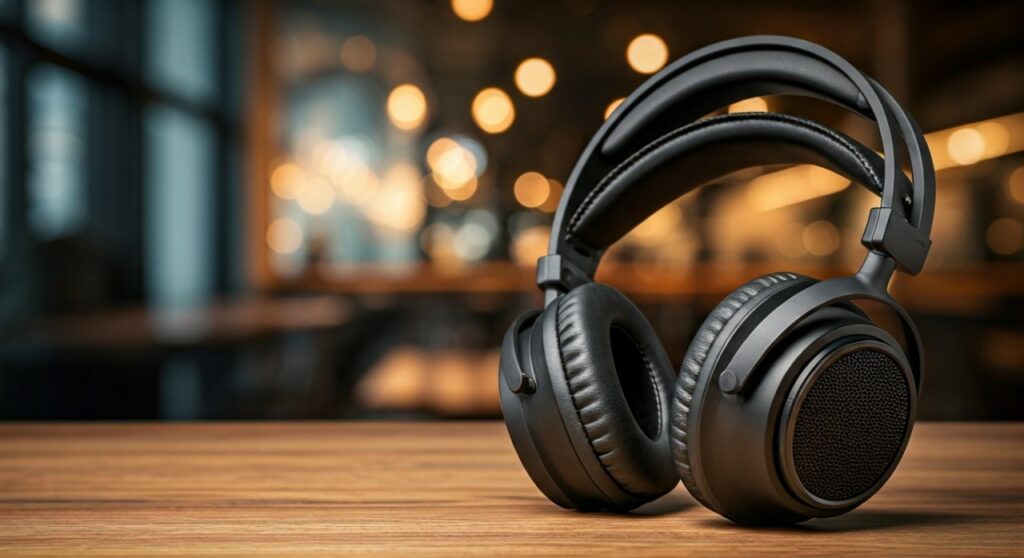
- Closed-Back Design: A solid plastic or metal shell that prevents sound from escaping or entering the ear cups.
What is Active Noise Cancellation (ANC)?
When people ask what is it called when headphones block sound, they are usually thinking of Active Noise Cancellation. Developed initially for pilots by Bose, this technology is designed to eliminate “constant” low-frequency noises, such as the drone of an airplane engine or the hum of an air conditioner.
The science behind ANC is fascinating. Tiny microphones on the outside of the headphones “listen” to the ambient noise. The internal processor then creates an “anti-noise” wave—an exact mirror image of the outside sound. When these two waves meet, they undergo destructive interference, effectively flattening the sound wave and leaving you with silence.
The Three Main Types of ANC Technology
Not all noise-canceling headphones are created equal. Depending on the price point, brands like Sony, Bose, and Apple use different microphone placements:
- Feedforward ANC: Microphones are on the outside of the ear cup. It catches noise before you hear it but can be sensitive to wind.
- Feedback ANC: Microphones are on the inside of the ear cup. It “hears” what you hear and corrects it, but it doesn’t handle high frequencies as well.
- Hybrid ANC: This uses both internal and external microphones. In my experience with the Sony WH-1000XM5, this is the only way to achieve true “silence” across all frequencies.
Comparing Sound Blocking Methods
To help you decide which technology suits your lifestyle, I have summarized the differences in the table below:
| Feature | Passive Noise Isolation | Active Noise Cancellation (ANC) |
|---|---|---|
| Technology | Physical seal/Materials | Electronic “Anti-Noise” waves |
| Power Source | None (Passive) | Requires Battery Power |
| Best For | High-frequency (Crying, Talking) | Low-frequency (Engines, Hum) |
| Sound Quality | Zero impact on audio fidelity | May cause slight “hiss” or pressure |
| Price Point | Available at all prices | Usually $100 – $500+ |
| Examples | Sennheiser HD280 Pro | Apple AirPods Max |
What is it Called When Headphones Block Sound During Calls?
There is a third term that often confuses consumers: Environmental Noise Cancellation (ENC). While ANC is for your benefit (so you hear less noise), ENC is for the person you are talking to.
If you are taking a business call in a windy park, ENC uses a dual-microphone array to isolate your voice and suppress the wind and background chatter. It ensures your voice remains crisp and clear. If you frequently work from home or in open offices, look for headphones that explicitly mention Beamforming Microphones or ENC technology.
The Evolution of “Transparency Mode”
In recent years, the goal of “blocking sound” has shifted toward “controlling sound.” Most modern noise-canceling headphones now feature Transparency Mode or Ambient Sound Mode.
This is essentially the inverse of ANC. The microphones pick up external sounds—like an announcement at a train station or a car horn—and pipe them into your speakers. This is a critical safety feature for runners and commuters. Having used the AirPods Pro 2, I find that their “Adaptive Transparency” is a game-changer, as it lets you hear conversations while still dampening sudden loud noises like a siren.
Is Noise-Canceling Technology Safe for Your Ears?
A common concern for new users is the “clogged ear” feeling or the “cabin pressure” sensation associated with ANC. This is not actual air pressure; rather, your brain is confused by the lack of low-frequency sound it usually expects to hear.
From a health perspective, headphones that block sound are actually safer for your hearing. Because the background noise is removed, you are less likely to crank your music to dangerous volumes (over 85dB) just to hear your favorite track. Audiologists often recommend ANC headphones for frequent travelers to prevent long-term hearing fatigue.
Expert Tips for Choosing Sound-Blocking Headphones
Based on my years of testing audio equipment in various environments, here is how you should choose:
- For Long Flights: Prioritize Hybrid ANC. The Bose QuietComfort Ultra remains the king of engine-noise suppression.
- For the Office: Look for a mix of Passive Isolation (thick ear pads) and ANC to block both the AC hum and your chatty coworkers.
- For the Gym: Focus on In-Ear Passive Isolation. You want a tight silicone seal that won’t slip when you sweat.
- For Critical Listening: Stick to Passive Isolation. Some ANC systems can slightly color the sound, which audiologists and producers try to avoid.
Frequently Asked Questions
Does noise cancellation block 100% of all sound?
No, current technology cannot block 100% of unpredictable, high-frequency sounds like a sudden scream or a clap. It is most effective against constant, droning sounds. Combining ANC with a good passive seal provides the closest experience to total silence.
What is the difference between noise-canceling and noise-isolating?
Noise-isolating refers to passive physical blocking (like earplugs). Noise-canceling refers to active electronic suppression using microphones and power.
Why do my ears feel “pressurized” when I turn on ANC?
This is known as “eardrum suction.” Because the ANC removes the low-frequency background noise your brain is used to, it creates a sensory illusion of a pressure change, even though the physical pressure remains the same.
Is ENC the same as ANC?
No. ANC (Active Noise Cancellation) helps you hear less background noise. ENC (Environmental Noise Cancellation) helps the person on the phone hear you more clearly by filtering out the noise around you.
Can I use noise-canceling headphones without playing music?
Yes. Many people use headphones like the Sony WH-1000XM4 or Bose 700 in “silent mode” just to focus in a loud office or to sleep on a plane without any audio playing.