

Understanding Which Wave Behavior Do Noise Cancelling Headphones Use
Noise-canceling headphones primarily utilize a physical phenomenon called destructive interference. This wave behavior occurs when two sound waves of the same frequency and amplitude meet while being exactly 180 degrees out of phase, effectively cancelling each other out and resulting in silence.
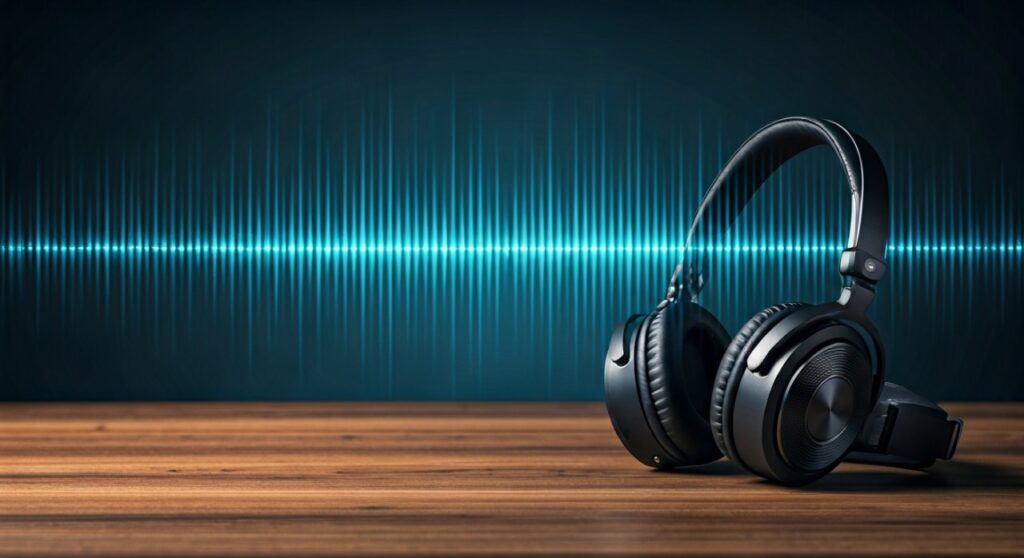
To achieve this, the headphones use built-in microphones to “listen” to external ambient noise. An internal processor then calculates a “mirror image” of that sound wave—often called anti-noise—and plays it through the headphone speakers. When the original noise and the anti-noise collide, the peaks of one wave fill the troughs of the other, leaving you with a significantly quieter listening environment.
Key Takeaways: The Science of Silence
If you are looking for a quick summary of how this technology works, here are the essential facts:
| Feature | Description |
|---|---|
| Primary Wave Behavior | Destructive Interference |
| Required Phase Shift | 180 Degrees (Anti-phase) |
| Key Component | Internal Digital Signal Processor (DSP) |
| Best For | Low-frequency, constant sounds (jet engines, AC hum) |
| Primary Limitation | High-frequency, unpredictable sounds (voices, glass breaking) |
The Physics of Sound: Why Destructive Interference Matters
To grasp which wave behavior do noise cancelling headphones use, we must first look at how sound moves. Sound travels in longitudinal waves consisting of compressions (high pressure) and rarefactions (low pressure).
In physics, when two waves occupy the same space, they undergo superposition. There are two main types of interference:
- Constructive Interference: This happens when the peaks of two waves line up. The sound becomes louder because the amplitudes add together.
- Destructive Interference: This occurs when the peak (compression) of one wave meets the trough (rarefaction) of another. They subtract from each other, ideally resulting in an amplitude of zero.
Active Noise Cancellation (ANC) is the practical application of destructive interference. By creating a sound wave that is the exact inverse of the ambient noise, the headphones “trick” your ears into perceiving a lack of sound pressure.
How Active Noise Cancellation Works: A Step-by-Step Guide
Understanding the sequence of events inside your earcups helps illustrate which wave behavior do noise cancelling headphones use in real-time. This process happens in milliseconds.
Step 1: External Sound Capture
Small microphones located on the outside (and sometimes inside) of the earcups constantly monitor the environment. These microphones pick up everything from the roar of a Boeing 747 engine to the low-frequency rumble of a city bus.
Step 2: Signal Inversion (The “Mirror” Phase)
The captured sound signal is sent to the Digital Signal Processor (DSP). This is the brain of the headphones. It analyzes the incoming wave’s frequency and amplitude and creates a new wave that is identical but inverted. If the original wave goes “up,” the anti-noise wave goes “down.”
Step 3: Anti-Noise Output
The headphones play this anti-noise through the internal speakers along with your music. Because the anti-noise is perfectly timed to meet the external noise as it enters your ear canal, the two waves clash.
Step 4: The Resulting Silence
The destructive interference occurs right at the point of your eardrum. Because the pressure changes cancel out, the eardrum remains relatively still, and your brain interprets this as silence or a significantly reduced background hum.
Comparing Passive vs. Active Noise Cancellation
Many people confuse these two terms, but they rely on very different principles. One is a physical barrier, while the other is a mathematical calculation based on wave behavior.
| Feature | Passive Noise Cancellation (PNC) | Active Noise Cancellation (ANC) |
|---|---|---|
| Mechanism | Physical Sound Blocking | Destructive Interference |
| Power Source | None Required | Battery Required |
| Effective Range | Mid-to-High Frequencies | Low-to-Mid Frequencies |
| Materials | High-density foam, leather, heavy plastic | Microphones, DSP chips, Speakers |
| Example | Heavy-duty earmuffs | Sony WH-1000XM5, Bose QuietComfort |
Different Types of ANC Architectures
Not all noise-canceling headphones are created equal. Depending on how they implement destructive interference, they are categorized into three types:
Feedforward ANC
The microphone is placed on the outside of the earcup. This gives the processor a “head start” to hear the noise before it reaches the ear. It is excellent for high frequencies but can be sensitive to wind noise.
Feedback ANC
The microphone is placed inside the earcup, near the speaker. It hears exactly what the user hears. This allows the system to correct itself if the cancellation isn’t perfect, making it better at low frequencies.
Hybrid ANC
This is the “gold standard” used in premium devices like the Apple AirPods Max. It uses both external and internal microphones. By combining both methods, it provides the most comprehensive application of wave behavior to eliminate noise across a wider spectrum.
Expert Insight: Why ANC Struggles with Human Voices
As someone who has tested dozens of headphones in high-traffic environments, I have noticed a common complaint: “I can still hear people talking.”
This happens because destructive interference requires the “anti-noise” to be perfectly synchronized with the “noise.”
- Constant Noises: Sounds like airplane engines are predictable. The DSP can easily calculate the anti-wave.
- Sudden Noises: Human speech, a dog barking, or a car horn are erratic and change frequency rapidly.
By the time the microphone captures a sudden scream and the DSP processes it, the original sound has already reached your ear. This is why ANC is a master of low-frequency hums but only a “muffler” for high-frequency conversations.
Practical Tips for Maximizing Your ANC Headphones
To get the most out of the destructive interference technology in your gear, follow these expert-vetted tips:
- Check the Seal: ANC cannot work effectively if air is leaking into the earcups. Ensure your ear cushions are in good condition and provide a tight seal.
- Update Firmware: Manufacturers like Sony and Bose frequently release software updates that refine the algorithms used for wave inversion.
- Use the Right Mode: Many modern headphones have “Adaptive” modes. If you are in a quiet room, turn ANC off or to a low setting to save battery and reduce the “eardrum pressure” sensation.
- High-Quality Audio Files: Because ANC introduces an extra sound wave into your ear, it can slightly alter the fidelity of your music. Using Lossless audio formats can help compensate for any minor loss in clarity.
Frequently Asked Questions (FAQs)
What wave behavior do noise-canceling headphones use?
Noise-canceling headphones use destructive interference. This occurs when the headphones produce an “anti-noise” wave that is 180 degrees out of phase with the ambient noise, causing the two waves to cancel each other out.
Is active noise cancellation safe for my ears?
Yes, ANC is generally considered safe. In fact, it can be beneficial because it allows you to listen to music at lower volumes in noisy environments, reducing the risk of noise-induced hearing loss. However, some users report a feeling of “pressure,” which is a psychological reaction to the lack of low-frequency sound.
Why do my ANC headphones hiss?
The “hissing” sound is often referred to as a noise floor. It is caused by the electronic components and the internal microphones within the ANC circuitry. High-end headphones minimize this, but it is a byproduct of the active processing required for wave behavior manipulation.
Can ANC block out all sound?
No, ANC is not a “silence machine.” It is most effective against consistent, low-frequency sounds. High-pitched, sudden, or irregular sounds (like a baby crying or a siren) will still be audible, though they will be significantly dampened by the physical (passive) structure of the headphones.









