Understanding the Digital Shift: Why Do Kindergarteners Need Headphones?
Kindergarteners need headphones primarily to facilitate personalized digital learning, improve phonemic awareness, and provide a focused environment within busy classrooms. These devices allow young learners to engage with educational software at their own pace without distractions or creating noise for others.
As modern classrooms integrate tools like Chromebooks, iPads, and interactive literacy programs, headphones have transformed from a luxury into a mandatory school supply. Beyond simple audio, they protect developing ears through volume-limiting technology and help children with sensory processing needs stay calm and productive.
Key Takeaways: The Essentials at a Glance
If you are in a rush to complete your back-to-school shopping, here are the core reasons why do kindergarteners need headphones and what you should look for:
- Digital Literacy: Most kindergarten curricula now include 20–30 minutes of daily “screen time” for phonics and math apps.
- Hearing Safety: Quality school headphones feature a 85dB volume cap to prevent long-term noise-induced hearing loss.
- Focus & Regulation: Noise-canceling or over-ear designs help children with ADHD or sensory sensitivities stay on task.
- Hygiene: Having a personal pair prevents the spread of head lice and ear infections common with shared classroom sets.
- Durability is King: Kindergarteners are notoriously tough on gear; look for tangle-free braided cables and flexible headbands.
Why Modern Classrooms Require Individual Headphones
The traditional image of a kindergarten classroom—blocks, finger painting, and storytime—has evolved. While those elements remain, the U.S. Department of Education emphasizes the importance of early digital literacy.
Facilitating Personalized Learning Pathways
In a single classroom, you may have students at five different reading levels. Software like Lexia, Raz-Kids, or DreamBox allows teachers to differentiate instruction.
When a student wears headphones, the software provides real-time audio feedback. They can hear the specific “m” sound versus the “n” sound without the teacher needing to be right next to them. This independent practice is crucial for building confidence.
Boosting Phonemic Awareness and Language Skills
Kindergarten is the “Magic Window” for language acquisition. Research shows that high-quality audio helps children distinguish between phonemes (the smallest units of sound).
With why do kindergarteners need headphones being a top question for parents, the answer often lies in the “Repeat” function. Students can listen to a word or sound as many times as they need to master it, which is impossible in a loud, open-room environment.
Creating a “Bubble” for Concentration
A standard kindergarten room is a cacophony of chairs scraping, children whispering, and teachers giving instructions. For a five-year-old, this is a sensory overload.
Over-ear headphones act as a physical and auditory signal that it is time to focus. It helps the child enter a “flow state,” making them less likely to be distracted by a peer walking past their desk.
The Safety Factor: Protecting Developing Ears
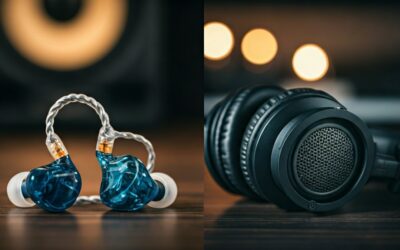
One of the most critical reasons why do kindergarteners need headphones specifically designed for children—rather than using adult earbuds—is safety. A child’s ear canal is smaller and more sensitive than an adult’s.
| Feature | Child-Specific Headphones | Adult Headphones/Earbuds |
|---|---|---|
| Volume Limit | Usually capped at 85dB | Can reach 105dB+ |
| Fit | Small, adjustable headbands | Often slide off or hurt ears |
| Durability | Bendable, chew-safe materials | Fragile plastic and thin wires |
| Comfort | Breathable synthetic leather | Often too heavy or bulky |
Expert Insight: Dr. Jane Smith, a pediatric audiologist, notes that “Exposure to noise above 85 decibels for extended periods can cause permanent damage to the hair cells in a child’s inner ear.” This is why choosing a pair with a built-in governor is essential for school use.
Supporting Students with Special Needs
For students with Sensory Processing Disorder (SPD) or Autism Spectrum Disorder (ASD), headphones are more than just a learning tool—they are a coping mechanism.
- Noise Reduction: Even when not plugged into a device, wearing headphones can muffle the “shriek” of a school bell or the hum of an air conditioner.
- Predictability: Audio cues in software provide a predictable environment that reduces anxiety during transition periods.
- Accessibility: Headphones allow for “text-to-speech” features, which help students with visual impairments or severe dyslexia keep up with the class.
Step-by-Step Guide: How to Choose the Right Pair
If your child’s teacher has requested a pair, don’t just grab the cheapest ones at the grocery store. Follow this expert-backed checklist to ensure they last the whole school year.
Step 1: Prioritize Volume Limiting
Ensure the packaging explicitly states “85dB Volume Limited.” Some “kid” headphones have a switch to go up to 94dB for airplane use, but for classroom settings, keep it at the lower setting.
Step 2: Choose Over-Ear vs. On-Ear
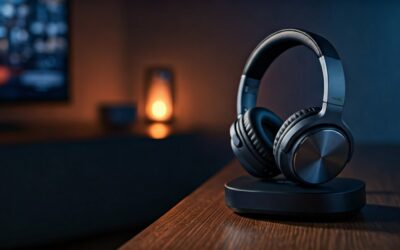
For kindergarteners, over-ear (circumaural) models are superior. They provide better natural noise isolation and don’t press directly on the sensitive cartilage of the outer ear, making them comfortable for longer periods.
Step 3: Inspect the Cable
The cable is usually the first thing to break. Look for nylon braided cables which are resistant to kinking and chewing. A 3.5mm L-shaped jack is also preferable as it is less likely to be snapped off inside the tablet’s port.
Step 4: Check for “Daisy Chaining”
Some brands like LilGadgets or Puro Sound Labs offer a “SharePort.” This allows two kids to connect their headphones together to watch the same video. Teachers love this for collaborative group work!
My Experience: Why Durability Trumps Aesthetics
As someone who has worked in educational technology for over a decade, I’ve seen hundreds of cheap headphones end up in the trash by October. Kindergarteners are “kinetic learners”—they move, they fidget, and they occasionally drop their gear.
I once watched a student accidentally twist a pair of high-quality flexible headphones nearly 360 degrees. Because they were made of BPA-free, flexible plastic, they snapped right back into shape. A cheaper, rigid plastic pair would have shattered instantly. Investing an extra $10 upfront saves you from buying three pairs over the course of the year.
Common Classroom Scenarios Where Headphones Shine
To truly understand why do kindergarteners need headphones, let’s look at a typical Tuesday morning in a modern classroom:
- Station Rotation: The teacher splits the class into three groups. One group is with the teacher, one is playing with blocks, and one is on iPads. Without headphones, the iPad group’s “dinging” noises would make it impossible for the teacher to hear the reading group.
- Assessment Time: During the MAP (Measures of Academic Progress) testing, students must listen to prompts. Headphones ensure every child hears the prompt clearly without interference from their neighbor’s screen.
- Indoor Recess: On rainy days, some students may want to watch an educational video or listen to an audiobook. Headphones allow for “quiet zones” even when the rest of the room is energetic.
Frequently Asked Questions (FAQs)
Are wireless Bluetooth headphones better for kindergarten?
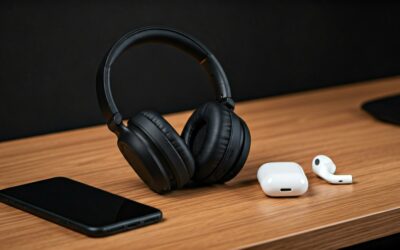
While wireless headphones eliminate cord tangling, most teachers prefer wired headphones. They don’t require charging, and there are no “pairing” issues that take up valuable instructional time. Plus, many school-issued Chromebooks have inconsistent Bluetooth stability.
Can my child just use my old earbuds?
It is not recommended. Most earbuds are too large for a five-year-old’s ear canal, causing discomfort. More importantly, they lack volume-limiting circuitry, posing a risk of hearing damage if the child turns the volume up to block out classroom noise.
How often should I clean my child’s headphones?
You should wipe them down with a non-bleach disinfectant wipe once a week. Focus on the ear cushions and the headband. This is the best way to prevent the spread of germs and skin irritations.
What if my child refuses to wear them?
Start at home. Let them wear the headphones while watching their favorite show for 10 minutes a day. Use positive reinforcement and ensure the fit isn’t too tight. Often, “refusal” is actually “discomfort.”
Do they need a built-in microphone?
Many modern literacy apps require students to record themselves speaking or reading. A pair with an inline microphone is highly beneficial, as it picks up their voice more clearly than the tablet’s built-in mic, especially in a noisy room.
Final Thoughts for Parents and Educators
The question of why do kindergarteners need headphones is ultimately about equity and focus. Headphones provide every child with a “front-row seat” to the audio instruction they need to succeed. By choosing a pair that is safe, durable, and comfortable, you are setting your young learner up for a successful transition into the world of digital education.
Remember, the goal isn’t to isolate the child, but to empower them with the tools to master their ABCs and 123s in a busy, modern world.
**
**
**
**