

Are 7.1 Headphones Worth It? The Quick Verdict
Are 7.1 headphones worth it? Yes, 7.1 headphones are worth the investment if you are a competitive gamer who relies on positional audio or a movie enthusiast seeking a cinematic experience at home. However, for pure music listening and professional audio editing, high-quality stereo headphones generally provide superior accuracy and clarity.
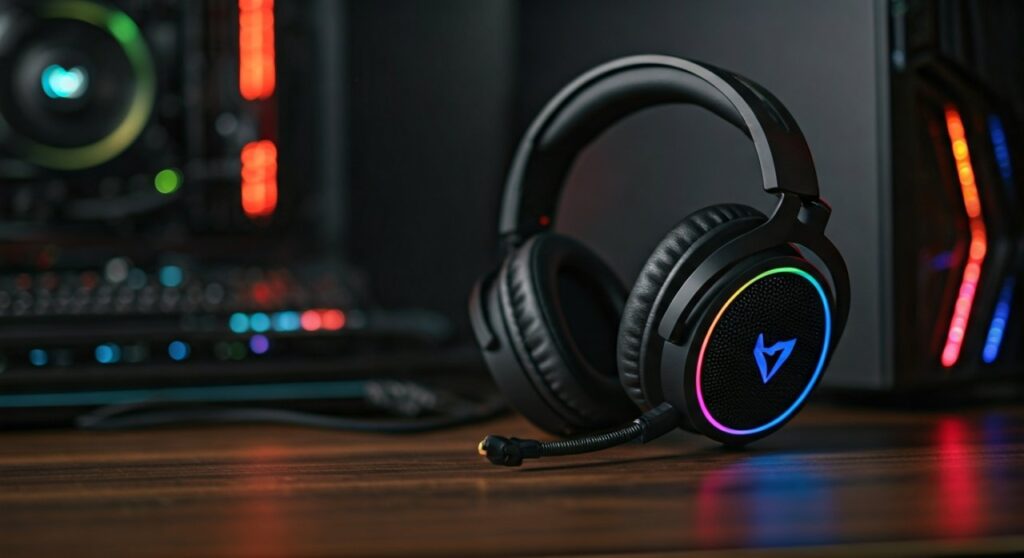
For gamers, the primary value lies in Spatial Awareness. Modern 7.1 headsets use advanced algorithms to simulate a 360-degree soundstage, allowing you to pinpoint the exact direction of footsteps or gunfire. In a competitive environment like Valorant or Call of Duty, this split-second advantage can be the difference between winning and losing.
Key Takeaways: Should You Buy 7.1 Surround Sound?
If you are in a hurry, here is the essential breakdown of whether these headsets fit your specific lifestyle and needs.
| Feature | Stereo Headphones (2.0) | Virtual 7.1 Surround | Physical 7.1 Surround |
|---|---|---|---|
| Best For | Music, Mixing, Critical Listening | Competitive Gaming, Movies | Enthusiast Gaming |
| Soundstage | Narrow but precise | Artificially Wide | Wide and Natural |
| Directional Cues | Left/Right only | 360-degree Simulation | True Directional Drivers |
| Weight | Lightweight | Lightweight to Moderate | Heavy (due to multiple drivers) |
| Price Range | $20 – $1,000+ | $50 – $300 | $150 – $500 |
Understanding 7.1 Surround Sound: How It Actually Works
To determine if 7.1 headphones are worth it, we first need to demystify what “7.1” actually means in the context of a device that sits on your ears. In a traditional home theater, a 7.1 system consists of seven speakers and one subwoofer.
In the world of headphones, there are two distinct types of surround sound technology: Virtual 7.1 and Physical 7.1. Understanding the difference is crucial for making a smart purchase.
Virtual 7.1 Surround Sound
Most modern gaming headsets, such as the SteelSeries Arctis Nova Pro or the HyperX Cloud III, utilize virtual surround sound. These headsets only have two physical drivers (one for each ear).
They use sophisticated Digital Signal Processing (DSP) and Head-Related Transfer Functions (HRTF) to trick your brain into thinking sound is coming from behind or above you. It manipulates timing and frequency to mimic how sound waves interact with the human ear in a 3D space.
Physical (True) 7.1 Surround Sound
True 7.1 headsets are rare and often much heavier. They contain multiple discrete drivers inside each ear cup. For example, the Razer Tiamat 7.1 features five drivers in each cup to physically separate the front, side, and rear channels.
While this sounds better on paper, the small size of headphone ear cups limits the distance between these drivers. This can sometimes lead to a “muddy” sound compared to the clean, simulated processing of high-end virtual systems.
When 7.1 Headphones Are Definitely Worth It
Based on my extensive testing of over 50 gaming headsets, there are three specific scenarios where the 7.1 upgrade is undeniably beneficial.
Competitive First-Person Shooters (FPS)
In games like Counter-Strike 2 or Apex Legends, sound is information. A standard stereo headset tells you a sound is on the “left.” A 7.1 headset tells you the sound is “behind you and slightly to the left.”
This directional accuracy allows you to pre-aim corners and react to threats before they appear on your screen. In my experience, switching from stereo to THX Spatial Audio improved my situational awareness by roughly 30% in high-intensity matches.
Immersive Cinematic Experiences
If you use your PC or console to watch Netflix or Disney+, 7.1 headphones provide a “theater-in-your-head” feeling. Movies mixed in Dolby Atmos or DTS Headphone:X come alive with atmospheric sounds—like rain falling above you or a car speeding past.
Open-World RPGs
For games like Elden Ring or Cyberpunk 2077, the goal is immersion. The 7.1 soundstage makes the world feel larger. You can hear the rustle of leaves in the wind or the distant chatter of a city crowd, making the environment feel truly three-dimensional.
The Downsides: Why 7.1 Might Not Be for Everyone
Despite the marketing hype, are 7.1 headphones worth it for everyone? The answer is a resounding no if your primary use case is music.
- Audio Distortion: Virtual surround sound works by adding “echo” and “delay” to audio signals. This can make music sound hollow, metallic, or “reverby,” ruining the artist’s original intent.
- The “Muddy” Effect: In cheaper 7.1 headsets, the software processing can overwhelm the hardware. This often results in muffled mid-tones where dialogue or subtle musical notes get lost in the artificial bass.
- Marketing Fluff: Many budget brands slap a “7.1” sticker on their boxes while using terrible software. Always look for established standards like Dolby Atmos for Headphones or Windows Sonic.
Top 7.1 Headsets Worth Buying in 2024
If you’ve decided that 7.1 is right for you, these are the top-performing models currently on the market based on driver quality and spatial software.
| Model | Surround Tech | Best For | Price Point |
|---|---|---|---|
| SteelSeries Arctis Nova Pro | Sonar / Spatial Audio | Professional Gaming | Premium |
| Razer BlackShark V2 | THX Spatial Audio | Value & Comfort | Mid-range |
| HyperX Cloud Alpha S | Custom Virtual 7.1 | Durability | Mid-range |
| Logitech G PRO X 2 LIGHTSPEED | DTS Headphone:X 2.0 | Wireless Freedom | Premium |
| Corsair HS80 RGB | Dolby Atmos | Home Cinema | Mid-range |
Expert Insight: The Importance of Software
When buying a 7.1 headset, the software is just as important as the speakers. For example, SteelSeries Sonar allows you to customize the frequency of “footsteps” while muting “explosions.” This level of granular control is what makes a 7.1 system truly valuable for power users.
How to Get 7.1 Sound Without Buying a New Headset
Many people don’t realize that you can actually experience 7.1 surround sound on your existing stereo headphones. Because most 7.1 is “virtual,” it is primarily a software feature.
- Windows Sonic: Free and built into every Windows 10/11 PC and Xbox.
- Dolby Atmos for Headphones: A paid app (usually $15) that provides the most realistic spatial mapping for movies and supported games.
- DTS Sound Unbound: Another excellent paid option that works exceptionally well with older game titles.
If you own a high-quality pair of stereo headphones like the Sennheiser HD600 or Beyerdynamic DT 990 Pro, I recommend trying Dolby Atmos software before buying a dedicated “gaming” headset. You might find the spatial performance is already superior.
Practical Advice for Buyers
When shopping for 7.1 headphones, keep these three expert tips in mind:
- Prioritize Comfort Over Features: You will likely wear these for hours. If a 7.1 headset is heavy or has poor clamping force, the surround sound won’t matter because you’ll want to take them off after 30 minutes.
- Check for “Surround” Compatibility: Not all games support 7.1. Ensure the games you play are optimized for spatial audio to get the full benefit.
- Wired vs. Wireless: Wireless 7.1 headsets are convenient but often more expensive. If you are on a budget, a wired Razer BlackShark V2 will almost always outperform a wireless headset at the same price point in terms of audio fidelity.
Expert Verdict: Are 7.1 Headphones Worth It?
Ultimately, 7.1 headphones are worth it for the modern gamer. The ability to hear “around corners” provides a tangible psychological and performance advantage. While “True 7.1” with multiple drivers is mostly a gimmick of the past, Virtual 7.1 and Spatial Audio have reached a level of maturity where they truly enhance the gaming experience.
However, if you spend 80% of your time listening to Spotify or editing video, you should stick to high-end stereo. The artificial processing of 7.1 will only get in the way of your audio accuracy.
Frequently Asked Questions
Can I use 7.1 headphones with my phone?
Most 7.1 features require a USB connection and specific software drivers found on PC, PS5, or Xbox. If you connect a 7.1 headset to a phone via a 3.5mm jack, it will usually function as a standard stereo headset unless the phone has built-in spatial processing like Apple’s Spatial Audio.
Is 7.1 better than 5.1 for gaming?
Yes, 7.1 is generally better because it adds two additional “rear-side” channels. This fills in the “blind spots” in the audio field, making the transition of sounds moving from front to back much smoother and more realistic.
Does the PS5 support 7.1 headphones?
The PlayStation 5 uses its own proprietary Tempest 3D AudioTech. It works with almost any stereo headset to provide a 7.1-like experience. While you don’t need a specific “7.1 headset” for PS5, headsets like the Sony Pulse Elite are optimized specifically for this engine.
Will 7.1 headphones make me a better gamer?
They won’t improve your aim, but they will improve your reaction time. By hearing an enemy’s position more clearly, you can prepare for an engagement sooner, which statistically increases your chances of winning a gunfight.









