
Are AirPods the most popular wireless headphones?
Yes, Apple AirPods are currently the most popular wireless headphones in the world, consistently holding the largest market share in the True Wireless Stereo (TWS) category. According to market research from firms like Canalys and IDC, Apple frequently captures between 25% and 31% of the global market, often shipping more units than its next three closest competitors combined.
Key Takeaways: The AirPods Dominance at a Glance
If you are looking for a quick summary of why AirPods lead the pack, here are the essential facts:
- Market Share: Apple holds a commanding lead, often doubling the market share of Samsung or Xiaomi.
- Ecosystem Integration: The seamless “magic” pairing with iPhones, Macs, and iPads is the primary driver of sales.
- Cultural Status: Beyond tech, AirPods have become a fashion accessory and a symbol of the “connected” modern lifestyle.
- Resale Value: Unlike many competitors, AirPods maintain a high trade-in and resale value over time.
- Innovation: Features like Spatial Audio and industry-leading Transparency Mode set the benchmark for user experience.
Analyzing the Market Share: The Numbers Behind the Hype
To understand if AirPods are truly the most popular, we must look at objective shipments and consumer data. Since the removal of the headphone jack on the iPhone 7, Apple has transformed the audio industry.
Research data from Statista and Counterpoint Research indicates that Apple shipped over 82 million units of AirPods in a single year recently. While brands like Sony, Bose, and Samsung offer high-end alternatives, they struggle to match Apple’s sheer volume.
Global TWS Market Share Comparison (Estimated)
| Brand | Market Share (Approx.) | Primary Strength |
|---|---|---|
| Apple (AirPods) | 29% – 32% | Ecosystem, Brand Loyalty, Ease of Use |
| Samsung | 7% – 9% | Competitive pricing, Galaxy integration |
| Xiaomi | 6% – 8% | Aggressive budget pricing in Asia |
| BoAt | 3% – 5% | Massive growth in the Indian market |
| Others (Sony, Bose, JBL) | ~45% (Combined) | Niche audiophile features, Noise cancellation |
As the table shows, while the “Others” category is large, it is highly fragmented. No single brand comes close to challenging Apple’s individual slice of the pie.
Why AirPods Maintain Global Dominance
The answer to “are airpods the most popular wireless headphones” isn’t just about marketing; it’s about the intersection of hardware and software. Having used every iteration from the original 2016 AirPods to the AirPods Pro (2nd Gen) with USB-C, I can attest that the “frictionless” experience is what keeps users coming back.
The “Walled Garden” Benefit
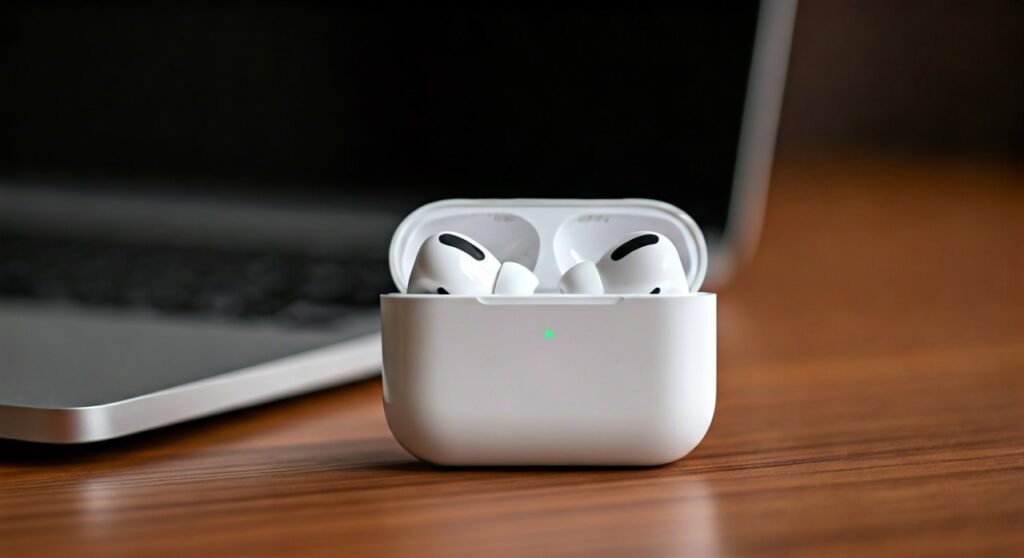
When you flip open the case of a pair of AirPods near an iPhone, a high-fidelity animation appears instantly. This is powered by custom silicon like the H1 and H2 chips. This deep integration makes traditional Bluetooth pairing feel obsolete and frustrating by comparison.
Comfort and Universal Fit
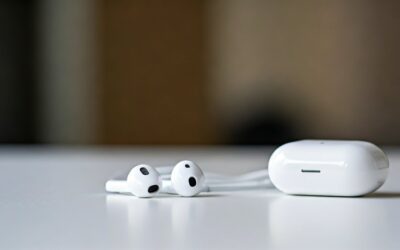
Apple used 3D scans of thousands of ears to develop the “universal” shape of the standard AirPods. For many users, the “unsealed” design of the AirPods (3rd Generation) is more comfortable for all-day wear than the “in-ear” silicone tips used by competitors.
Active Noise Cancellation (ANC) Leadership
The AirPods Pro series introduced a Transparency Mode that remains the gold standard. It uses low-latency processing to make it feel as if you aren’t wearing headphones at all, which is a feature many professional reviewers find superior to Sony or Sennheiser.
How to Choose the Right Wireless Headphones for Your Lifestyle
If you are wondering if you should join the millions of AirPods users, follow this step-by-step guide to determine your best fit. Choosing the “most popular” option isn’t always the right choice for everyone.
Step 1: Audit Your Device Ecosystem
The value of AirPods drops significantly if you are an Android user. While they will work as standard Bluetooth buds, you lose:
- Automatic Switching between devices.
- Siri “Always On” functionality.
- Find My precision tracking.
- Ear Tip Fit Tests.
Step 2: Define Your Primary Use Case
- Commuting/Travel: You need Active Noise Cancellation. Look at AirPods Pro or AirPods Max.
- Fitness/Running: You need water resistance and a secure fit. The AirPods Pro are IP54 rated.
- Office/Calls: Look for “Beamforming Microphones” which Apple excels at.
Step 3: Compare Battery Life and Charging
Most modern TWS buds offer 5-6 hours per charge. AirPods provide:
- AirPods Pro 2: Up to 6 hours (30 hours with the case).
- AirPods 3: Up to 6 hours (30 hours with the case).
- Competition: Some Sony models offer up to 8-12 hours per charge, which might be better for long-haul flights.
The Evolution of AirPods: A Timeline of Popularity
The journey of AirPods from a “meme” to a “must-have” is a fascinating study in consumer behavior.
- 2016: The original AirPods launch. They were initially mocked for looking like “electric toothbrush heads.”
- 2019: The AirPods Pro launch, introducing ANC and a more secure fit. This solidified Apple’s place in the premium audio market.
- 2020: AirPods Max are released, moving Apple into the over-ear, high-fidelity luxury space.
- 2022-2024: The introduction of the H2 chip and USB-C charging cases ensured Apple stayed ahead of the curve regarding latency and charging standards.
How AirPods Compare to Top Industry Competitors
While we have established that AirPods are the most popular wireless headphones, popularity does not always equal “best” for every specific metric.
AirPods Pro 2 vs. Sony WF-1000XM5
The Sony WF-1000XM5 often wins in pure sound quality and LDAC codec support (better for high-resolution audio). However, the AirPods Pro 2 usually win in microphone quality and the natural feel of Transparency Mode.
AirPods vs. Samsung Galaxy Buds
If you own a Samsung Galaxy S24, the Galaxy Buds3 Pro offer a similar “walled garden” experience. They feature a similar “stem” design and high-end AI features. However, Apple’s global brand recognition keeps AirPods ahead in total sales volume.
Practical Tips for AirPods Owners
If you decide to go with the crowd, here is some expert advice to get the most out of your purchase:
- Clean the Sensors: Use a dry cotton swab to clean the black sensors. If they get dirty, Automatic Ear Detection will fail.
- Enable Spatial Audio: Go into your Control Center and long-press the volume bar to toggle Spatialize Stereo. It makes music feel like it’s happening around you.
- Check the Serial Number: Because AirPods are so popular, they are the most counterfeited tech product. Always verify the serial number on Apple’s official coverage website.
The Future: Will AirPods Stay on Top?
The question isn’t just “are airpods the most popular wireless headphones” today, but will they be tomorrow? Apple is currently pivoting the AirPods Pro to act as clinical-grade hearing aids (FDA-authorized).
By expanding into the health and wellness sector, Apple is creating a new reason for the aging “Baby Boomer” demographic to buy them, not just Gen Z or Millennials. This strategic move likely ensures their dominance for the next decade.
Frequently Asked Questions (FAQs)
Are AirPods better than Bose for noise cancellation?
In my experience, the Bose QuietComfort Ultra earbuds have slightly better “total silence” capabilities in high-frequency environments (like airplane engines). However, AirPods Pro 2 provide a more balanced experience and much better wind noise reduction during phone calls.
Do AirPods work with Android phones?
Yes, AirPods are standard Bluetooth headphones. You can pair them with any Android device, but you will lose the ability to customize controls, use “Hey Siri,” or see battery percentages without third-party apps like AndroPods.
Which AirPods model is the most popular?
The AirPods Pro 2 is currently the best-selling model within the lineup. Despite the higher price tag, consumers find the addition of Noise Cancellation and the improved MagSafe case worth the investment compared to the standard models.
Why are AirPods so expensive compared to others?
You are paying for the R&D of the custom silicon chips, the high resale value, and the integration with the Apple ecosystem. While cheaper brands offer similar specs on paper, they rarely match the reliability and software support of Apple.