Understanding if AKG Headphones Are Waterproof
The short answer is: Most AKG headphones are NOT waterproof. While a few specific models like the AKG N400 offer an IPX7 water-resistance rating, the vast majority of AKG’s professional studio monitors and consumer over-ear headphones have no official protection against water or sweat.
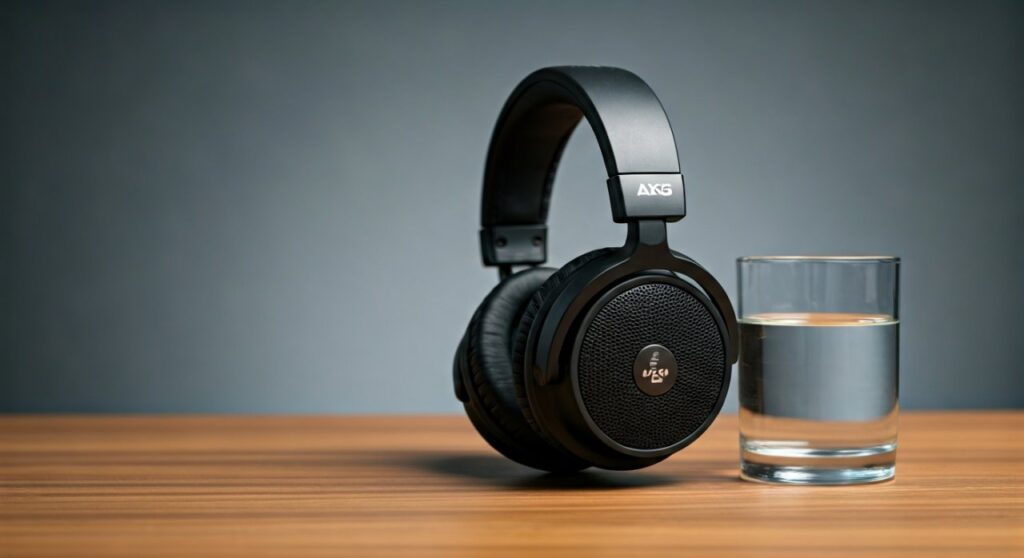
If you are using legendary models like the AKG K240, K701, or K371, exposing them to moisture can cause permanent damage to the internal drivers and circuitry. Always check the specific IP (Ingress Protection) rating of your model before taking it near water or using it for intense workouts.
Key Takeaways: AKG Water Resistance at a Glance
If you are in a hurry, here is the essential information regarding AKG headphones and their ability to handle liquids:
- Professional Studio Models: (K-Series) are strictly for dry, indoor environments.
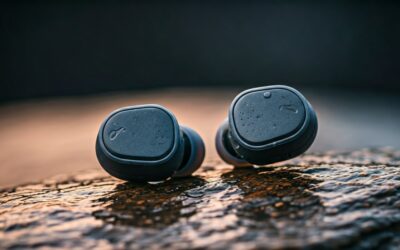
- True Wireless Earbuds: Only specific models like the AKG N400 are fully submersible (IPX7).
- Samsung Galaxy Buds (Tuned by AKG): These vary from IPX2 (drip-resistant) to IPX7 (waterproof).
- Warranty Warning: Standard AKG warranties typically do not cover water damage, even if the device has a light water-resistance rating.
- Maintenance: Never charge AKG wireless headphones if the charging port is damp, as this can lead to short-circuiting.
What Does “Waterproof” Actually Mean for AKG?
To understand if your AKG headphones can survive a rainy day, you must look at the IP Rating. This is an international standard used to define the levels of sealing effectiveness of electrical enclosures.
Most AKG professional headphones do not undergo IP testing because they are designed for studio use. However, for their portable line, you will see two common ratings:
| IP Rating | Protection Level | Can you swim with them? |
|---|---|---|
| IPX2 | Protects against light vertical drips (sweat). | No |
| IPX4 | Protects against splashes from any direction. | No |
| IPX5 | Protects against low-pressure water jets. | No |
| IPX7 | Can be submerged in 1 meter of water for 30 mins. | Yes (Limited) |
| No Rating | No protection against moisture. | Absolutely Not |
The “Tuned by AKG” Distinction
Many users ask about “AKG waterproof” features because of the Samsung Galaxy Buds. While these are “Tuned by AKG,” they follow Samsung’s hardware standards.
For example, the Galaxy Buds Pro and Buds2 Pro have an IPX7 rating, making them the most “waterproof” options in the AKG-ecosystem. The standard AKG-branded over-ear headphones almost never carry these ratings.
Breakdown of Popular AKG Models and Water Ratings
As an audio professional who has used AKG gear for over a decade, I have seen many pairs ruined by simple humidity in outdoor recording sessions. Here is how the most popular models stack up:
The Studio Legends (K240, K701, K702, K612)
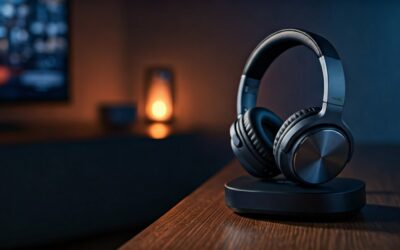
These are open-back or semi-open headphones. Because the earcups have physical vents to let air pass through, water can enter the sensitive Varimotion diaphragm almost instantly.
- Rating: None.
- Best For: Critical listening in climate-controlled rooms.
- Risk: Extremely high. Even high humidity can eventually corrode the internal wiring.
AKG K361 and K371 (Closed-Back)
These are popular for content creators and commuters. While they are “closed,” they lack rubber gaskets around the jacks and hinges.
- Rating: None.
- Best For: Commuting in dry weather or studio tracking.
- Risk: Moderate. A few raindrops might be okay if wiped immediately, but they are not “water-resistant.”
AKG N400 True Wireless
This is one of the few true “waterproof” options directly branded by AKG. It was specifically designed to compete in the sports market.
- Rating: IPX7.
- Best For: Running, gym sessions, and heavy rain.
- Risk: Low. They are built to be rinsed under a tap.
AKG N60NC and N700NC (Noise Cancelling)
These travel-focused headphones contain complex ANC (Active Noise Cancellation) microphones and batteries.
- Rating: None.
- Best For: Airplanes and office work.
- Risk: High. Moisture can cause the ANC microphones to produce a “hissing” or “cracking” sound if they get damp.
Step-by-Step: How to Identify if Your AKG Headphones Are Waterproof
If you own a pair of AKG headphones and aren’t sure of their durability, follow this inspection guide:
Step 1: Check the Retail Packaging
Look for a small IP icon on the back or side of the box. If you see “IPX4” or “IPX7,” your headphones have passed certified moisture testing. If no such icon exists, assume they have zero water resistance.
Step 2: Inspect the Design
Look at the earcups. Do you see grills or holes (Open-back)? If so, moisture will reach the driver immediately. Are there exposed Micro-USB or USB-C ports without rubber flaps? This is a sign that the device is not sealed against water.
Step 3: Consult the User Manual
AKG manuals are very specific about “Operating Environments.” Most will state: “Do not expose this apparatus to dripping or splashing” and “Keep the device dry.” This is a legal disclaimer that they are not waterproof.
Step 4: Verify the Product Series
- K Series: Professional Studio (Not waterproof).
- N Series: Premium Consumer (Varies, check model).
- Y Series: Lifestyle/Youth (Not waterproof).
- Samsung Bundle: Wired AKG earbuds included with older phones (Not waterproof, IPX0).
What to Do If Your AKG Headphones Get Wet (Emergency Guide)
Accidents happen. If you drop your AKG K371 in a puddle or get caught in a downpour with your AKG N60NC, follow these steps immediately to save the hardware.
- Power Down Immediately: If they are Bluetooth headphones, turn them off instantly. Do not try to see if they “still work.”
- Disconnect Cables: Remove the detachable cable (if applicable) and the earpads. Most AKG studio pads twist off easily.
- Wipe the Exterior: Use a lint-free microfiber cloth to soak up any visible droplets on the casing and the driver mesh.
- The Gravity Drain: Position the headphones so the earcups face downward. This allows gravity to pull water out of the driver housing rather than deeper into the voice coils.
- Use Silica Gel: Place the headphones in a sealed container with Silica Gel packets. Do not use rice, as rice dust can enter the driver and cause mechanical failure.
- Wait 48 Hours: Do not attempt to turn them on or plug them into an amplifier for at least two full days.
Best Waterproof Alternatives to AKG
If you love the AKG sound signature (neutral and airy) but need something for the pool or the gym, consider these alternatives that offer higher durability:
| Model | Sound Profile | IP Rating | Best Use Case |
|---|---|---|---|
| Samsung Galaxy Buds2 Pro | Tuned by AKG (Harman Curve) | IPX7 | Best for Gym/All-weather |
| Jabra Elite 8 Active | Neutral/Balanced | IP68 | Fully Dust/Waterproof |
| Sony WF-1000XM5 | Warm/Detailed | IPX4 | Light Rain/Workouts |
| Jaybird Vista 2 | V-Shaped | IP68 | Extreme Sports |
Professional Advice for AKG Owners
As an expert who has repaired several AKG units, my best advice is to treat AKG gear as high-precision instruments.
The AKG sound is achieved through very thin, lightweight diaphragms. Even if the water doesn’t short the electronics, the mineral deposits left behind after water evaporates can “weight down” the diaphragm. This results in:
- Loss of high-frequency detail.
- Imbalance between the left and right earcups.
- Distortion at higher volumes.
Pro Tip: If you sweat heavily, always wipe down the earpads of your AKG K-series after use. Sweat is acidic and will crack the protein leather (pleather) pads over time, even if it doesn’t reach the drivers.
Frequently Asked Questions
Can I wear AKG K240s in the rain?
Absolutely not. The AKG K240 is a semi-open headphone. The vents on the side of the earcups are direct pathways for water to reach the internal wiring and the transducer.
Are the AKG earbuds that came with my Samsung phone waterproof?
No. The wired AKG earbuds (USB-C or 3.5mm) bundled with Galaxy phones are not water-resistant. They are prone to failure if sweat enters the inline microphone or the earbud housing.
Can I use AKG headphones for the gym?
It depends on the model. You should only use the AKG N400 or Samsung Galaxy Buds (Tuned by AKG) for the gym. Standard over-ear models like the AKG K361 will trap heat and moisture, which will degrade the earpads and potentially damage the internal electronics.
Is water damage covered under AKG’s warranty?
Generally, no. AKG’s limited warranty covers manufacturing defects in materials and workmanship. Water ingress is considered “accidental damage” or “misuse,” which typically voids the warranty.
How do I clean my AKG headphones without water?
Use a slightly damp (not dripping) cloth with a tiny amount of mild soap for the plastic parts. For the drivers, use a dry, soft brush or a specialized air blower (like those used for camera lenses) to remove dust.