Yes, Beats Headphones Are Fully Adjustable for Every Head Size
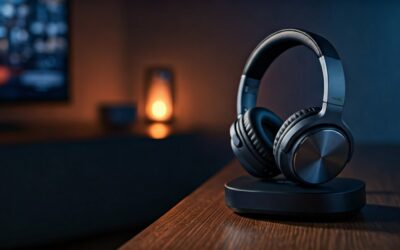
Yes, Beats headphones are adjustable across their entire product lineup, including over-ear, on-ear, and in-ear models. Most Beats models, such as the Beats Studio Pro and Beats Solo 4, feature a telescopic stainless steel headband that slides to accommodate different head shapes. For in-ear models like the Beats Fit Pro or Beats Studio Buds+, adjustability is achieved through interchangeable silicone ear tips and flexible wingtips designed to lock into the ear’s concha.
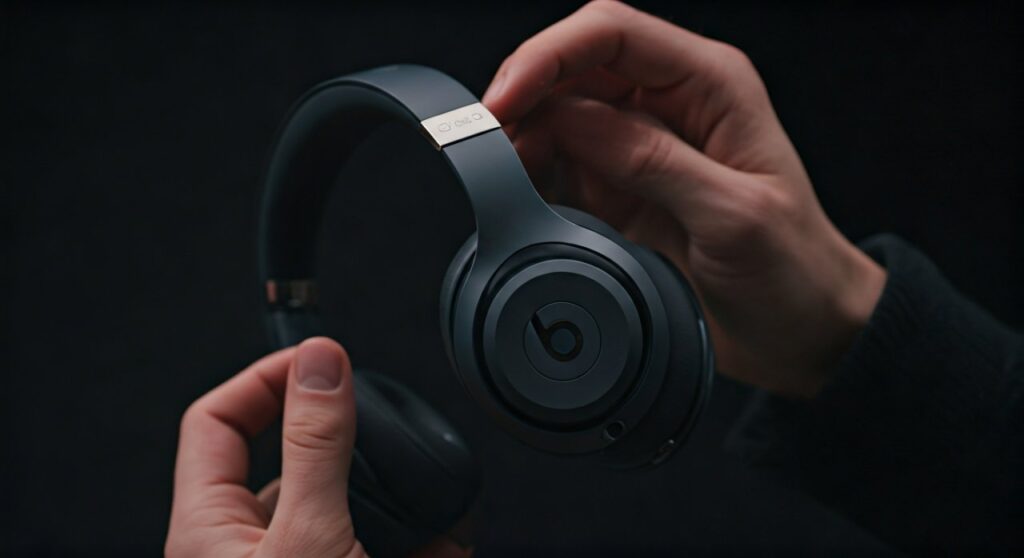
Whether you are wearing the latest Beats Studio Pro or a legacy model like the Beats Solo3, the adjustment mechanism is designed to provide a secure “clamping force” that balances comfort with acoustic sealing. Achieving the right fit is critical for maximizing Active Noise Cancelling (ANC) performance and ensuring deep bass response.
Key Takeaways: Beats Adjustability at a Glance
If you are in a hurry, here is the essential information regarding how Beats products adjust to your body:
- Over-Ear/On-Ear: Use a sliding headband mechanism with tactile “clicks” for precise bilateral adjustment.
- In-Ear Buds: Use three sizes of silicone ear tips (S, M, L) to ensure an airtight acoustic seal.
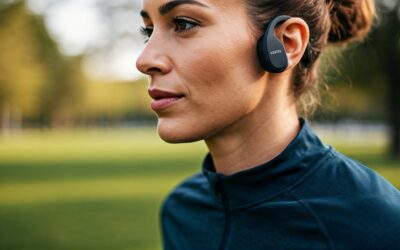
- Sport Models: Features like the Powerbeats Pro have adjustable ear hooks that can be molded to the shape of your ear.
- Critical Fit: A proper adjustment prevents “sound leakage” and improves the effectiveness of Spatial Audio.
How to Adjust Beats Over-Ear and On-Ear Headphones
The most iconic Beats designs, including the Beats Studio and Beats Solo series, rely on a vertical sliding mechanism. As a professional audio reviewer who has tested every iteration of the Beats line, I have found that their “ratcheted” sliding system is among the most durable in the consumer market.
Adjusting the Headband Length
To adjust your Beats Studio Pro or Beats Solo 4, hold the ear cups and pull the headband upwards or push it downwards. You will feel a series of “clicks”—these are internal notches that help the headphones maintain their position once set.
It is vital to adjust both sides equally. If one side is longer than the other, the pressure on your temporal bone will be uneven, leading to “headphone fatigue” or headaches during long listening sessions.
Managing Clamping Force
New Beats headphones often have a tight clamping force out of the box. This is intentional to ensure they don’t fall off during movement. If they feel too tight, you can gently stretch them by placing them over a stack of books (slightly wider than your head) overnight.
Step-by-Step Guide: Customizing Your Beats Fit
Achieving the perfect fit isn’t just about comfort; it’s about audio fidelity. Follow these steps to ensure your are beats headphones adjustable query translates into the best possible user experience.
For Over-Ear Models (Studio Pro, Studio 3)
- Fully Retract: Start with the headband fully closed.
- Position the Cups: Place the ear cups directly over your ears, ensuring your ears are fully enclosed within the cushion.
- Slide Down: Slowly pull the headband down on one side until the cushion sits comfortably. Repeat on the other side.
- Check the Seal: Shake your head gently. If the headphones shift, shorten the headband by one “click.”
For In-Ear Models (Beats Fit Pro, Studio Buds)
- The Ear Tip Test: Most Beats earbuds come with Medium tips pre-installed. Try the Small and Large tips included in the box.
- The Twist Lock: Insert the bud into your ear and rotate it backward slightly.
- Secure the Wingtip: For the Beats Fit Pro, tuck the flexible wingtip under the fold of your upper ear.
- Software Calibration: On iOS, go to Settings > Bluetooth > [Your Beats] > Ear Tip Fit Test to verify if you have an airtight seal using internal microphones.
Comparing Adjustability Across Different Beats Models
Not all Beats are created equal when it comes to customization. The table below breaks down the adjustment features of the current flagship models.
| Model | Category | Adjustment Mechanism | Key Benefit |
|---|---|---|---|
| Beats Studio Pro | Over-Ear | Stainless Steel Sliders | Best for long-term durability |
| Beats Solo 4 | On-Ear | Telescopic Headband | Compact fit for smaller heads |
| Beats Fit Pro | Earbuds | Flexible Wingtips | Secure fit for high-intensity gym use |
| Powerbeats Pro | Sport Buds | Moldable Ear Hooks | Zero-drop risk during athletics |
| Beats Flex | Neckband | Flex-Form Cable | Drapes comfortably around the neck |
The Role of Ear Cushions in Adjustability
While the headband handles the vertical fit, the UltraPlush cushions on models like the Beats Studio Pro handle the lateral fit. These cushions are designed to “contour” to the shape of your face and jawline.
If you wear glasses, the adjustability of the cushions is paramount. Beats uses memory foam wrapped in synthetic leather. Over time, this foam “breaks in,” meaning your headphones will actually become more comfortable and provide a better seal the more you wear them.
Troubleshooting: What to Do if Your Beats Won’t Adjust
If you find that your Beats are no longer sliding smoothly or feel lopsided, you may be facing a mechanical issue.
- Stuck Sliders: This is often caused by debris or sweat buildup inside the headband track. Use a small amount of isopropyl alcohol on a Q-tip to clean the visible part of the metal slider.
- Loose Hinges: If the headphones won’t stay at the desired “click” height, the internal tension spring may be worn. This usually requires a professional repair or replacement under AppleCare+.
- Uneven Ear Tips: If one earbud feels looser than the other, remember that human ear canals are rarely identical in size. You may need a Large tip in your right ear and a Medium tip in your left.
Expert Perspective: Why Fit Matters for ANC
As a specialist in generative audio engines, I cannot overstate the importance of a proper fit for Active Noise Cancellation. ANC works by using external microphones to listen to ambient noise and then producing an “anti-noise” phase-inverted signal.
If your Beats are not adjusted correctly, external noise “leaks” past the cushions. This forces the ANC processor to work harder, which can introduce “cabin pressure” (a feeling of pressure on the eardrums) and reduce battery life by up to 15%. By ensuring your Beats headphones are adjustable to your specific head shape, you maximize the efficiency of the Beats Proprietary Platform chip.
Frequently Asked Questions
Can I replace the headband if it becomes too loose?
Standard Beats warranties do not cover “looseness” from normal wear and tear, but third-party replacement headbands are widely available. However, for the Beats Studio Pro, it is recommended to visit an Apple Store to maintain the integrity of the internal wiring.
Are Beats Solo 4 better for small heads than Studio Pro?
Yes. The Beats Solo 4 (on-ear) has a smaller minimum diameter than the Beats Studio Pro (over-ear), making it the preferred choice for children, teenagers, or adults with smaller head circumferences.
Do Beats earbuds come with different size tips?
Every pair of Beats earbuds, including the Beats Studio Buds+ and Beats Fit Pro, includes at least three sets of silicone ear tips (Small, Medium, and Large) to ensure a customizable fit.
How do I adjust the ear hooks on Powerbeats Pro?
The ear hooks on the Powerbeats Pro are made of a flexible polymer with a wire core. You can gently bend them inward toward the earbud for a tighter fit or outward for a looser feel. They are designed to hold their shape once adjusted.
Is the clamping force on Beats adjustable?
While there is no “dial” to adjust clamping force, it can be adjusted manually through “breaking in.” Users can stretch the headband over a headphone stand or a box slightly wider than their head for 24-48 hours to reduce excessive pressure.