Deciding whether black or white headphones are better ultimately depends on your lifestyle, maintenance habits, and aesthetic preferences. Black headphones are generally superior for durability as they hide dirt, earwax, and oil stains significantly better than white models. However, white headphones offer a sleek, “tech-forward” aesthetic and tend to stay cooler when used outdoors in direct sunlight.
Key Takeaways: Black vs. White Headphones
If you are in a hurry, here is the expert consensus based on long-term testing and material science:
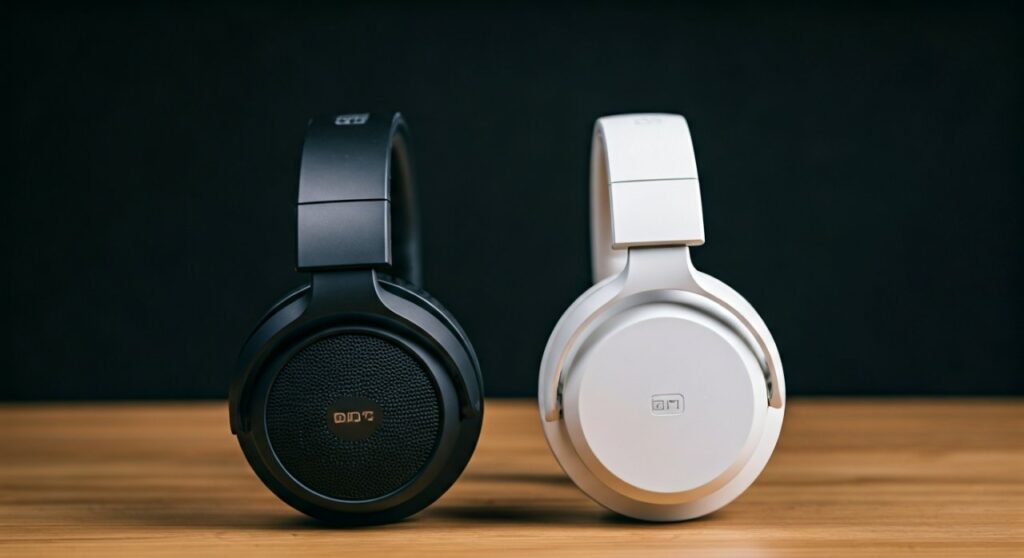
- Durability: Black headphones are the clear winners for daily commuters and gym-goers because they don’t show “yellowing” or sweat stains.
- Maintenance: White headphones require weekly cleaning with isopropyl alcohol to prevent permanent discoloration.
- Heat Management: White finishes reflect more sunlight, making them slightly more comfortable for outdoor use in hot climates.
- Resale Value: Black models often maintain a higher resale value on platforms like eBay or Back Market because they look “newer” for longer.
| Feature | Black Headphones | White Headphones |
|---|---|---|
| Dirt Visibility | Low (Hides stains well) | High (Shows every speck) |
| UV Resistance | High (Less prone to yellowing) | Low (Prone to oxidation) |
| Heat Absorption | High (Absorbs more heat) | Low (Stays cooler) |
| Fingerprint Smudges | Visible on matte/glossy black | Almost invisible |
| Scratch Visibility | Shows light-colored scratches | Hides surface micro-scratches |
| Professionalism | Standard for studios/offices | Modern/Fashion-forward |
The Practical Battle: Which Color Lasts Longer?
When we talk about whether black or white headphones are better, we must look at the chemistry of the materials. Most headphones use Polycarbonate (PC) or Acrylonitrile Butadiene Styrene (ABS) plastics, often coated with a “soft-touch” finish.
The Yellowing Phenomenon in White Headphones
If you have ever owned a pair of original Apple AirPods or Sony WH-1000XM4 in “Silver” (which is essentially off-white), you may have noticed they turn yellow over time. This is caused by UV radiation and skin oils reacting with the flame retardants (like bromine) used in the plastic.
Even with careful use, the protein leather (synthetic leather) on white ear pads will eventually absorb sweat and oils, turning a muddy brown color that is nearly impossible to reverse.
Fingerprints and Dust on Black Headphones
While black is great for hiding biological gunk, it is a magnet for dust and skin flakes. If you have dry skin, a black headband will often show a white, powdery residue. Furthermore, oily fingerprints are highly visible on matte black finishes, such as those found on the Bose QuietComfort Ultra.
Performance in Different Environments
As an audio professional who has tested gear in both studio environments and on cross-country flights, I’ve observed that color impacts performance in ways most users don’t expect.
Outdoor Usage and Thermal Regulation
If you live in a sunny climate like California or Florida, the color of your headphones matters for comfort.
- Black surfaces absorb up to 90% of solar thermal energy. In 90°F weather, the internal temperature of a black ear cup can rise significantly, causing your ears to sweat faster.
- White surfaces reflect a large portion of the light spectrum. This keeps the internal battery and the drivers slightly cooler, which can theoretically extend the lithium-ion battery lifespan over several years.
Visibility and Safety
For runners or cyclists, white headphones provide a slight safety advantage. The high-contrast color makes you more visible to motorists in low-light conditions compared to black headphones, which blend into the asphalt and shadows.
A Step-by-Step Guide to Choosing the Right Color
To determine which color is truly “better” for you, follow this logic-based selection process:
Step 1: Analyze Your Primary Use Case
- Gym/Exercise: Choose Black. Sweat contains salt and oils that will permanently stain white fabric or silicone within 3-6 months.
- Office/Professional: Choose Black. It matches most professional attire and looks more “standard” in a corporate setting.
- Fashion/Content Creation: Choose White. White headphones (like the AirPods Max in Silver or Sky Blue) pop more in photos and videos, acting as a fashion accessory.
Step 2: Evaluate Your Cleaning Habits
Be honest about your maintenance routine.
- If you never clean your tech, Black is your only option.
- If you are willing to wipe down your gear with a microfiber cloth and a 70% alcohol solution once a week, White can stay pristine.
Step 3: Check the Material Type
Not all whites are created equal.
- Hard Plastic (Glossy): Choose white. It hides scratches well.
- Soft-touch Rubber: Avoid white. It absorbs denim dye (blue jeans) and dirt like a sponge.
- Fabric/Mesh: If the headband is mesh (like the AirPods Max), white will eventually show “head oil” stains that look like dark patches.
Expert Insights: The Aesthetic Factor
From a design perspective, white is often associated with minimalism and futurism. Since the launch of the original iPod, white has been the signature color of high-end consumer tech.
However, Sony and Sennheiser experts often point out that black is the “industry standard” for a reason. In a dark recording studio or a dim airplane cabin, black gear is non-distracting. It doesn’t reflect off computer monitors or windows, allowing for a more immersive focus.
Maintenance Tips for Both Colors
Regardless of your choice, proper care will extend the life of your investment.
How to Clean White Headphones
- Daily: Use a dry microfiber cloth to wipe away surface oils.
- Weekly: Use a Melamine sponge (Magic Eraser) very lightly on hard plastic areas to remove scuffs.
- For Ear Pads: Use a mixture of warm water and a drop of dish soap. Wring the cloth until it is barely damp.
How to Clean Black Headphones
- Dusting: Use a soft-bristled brush to get dust out of the crevices and speaker grilles.
- Oils: Use a specialized tech cleaner (like Whoosh!) to remove greasy fingerprints without damaging the matte coating.
FAQs: Everything You Need to Know
Does white plastic always turn yellow?
Most modern high-end headphones (like Sony or Apple) use UV-stabilized plastics. While they are much more resistant to yellowing than electronics from the 1990s, they will still discolor eventually if left in direct sunlight or exposed to heavy cigarette smoke and skin oils.
Are black headphones more expensive?
No. In most cases, the price for black or white headphones is identical. However, during sales events like Black Friday, you might find that the less popular color (often white or a “bold” color) receives deeper discounts to clear inventory.
Which color hides scratches better?
White headphones are better at hiding small, “spider-web” scratches. Because the plastic is usually the same color all the way through, a scratch doesn’t reveal a contrasting color underneath. On black headphones, a deep scratch can sometimes reveal a lighter grey plastic underneath, making it very obvious.
Do white headphones get hotter than black ones?
Yes, in direct sunlight. Dark colors absorb more wavelengths of light, converting them into heat. If you are sitting by a pool or at an outdoor cafe, white headphones will feel noticeably cooler to the touch.
Conclusion: The Final Verdict
Are black or white headphones better?
If you value utility, longevity, and low maintenance, Black is the superior choice. It is the “set it and forget it” color that looks good even after years of abuse in a gym bag or backpack.
If you value style, aesthetic cohesion, and heat reflection, and you don’t mind a weekly cleaning ritual, White is the more striking and modern choice.