Are Bluedio Headphones Good? The Quick Verdict
Are Bluedio headphones good? Yes, they are exceptional for budget-conscious listeners who prioritize heavy bass, innovative design, and extraordinarily long battery life without spending hundreds of dollars. While they may not rival the refined build quality of premium brands like Sony or Bose, they offer the best “spec-per-dollar” ratio in the entry-level market.
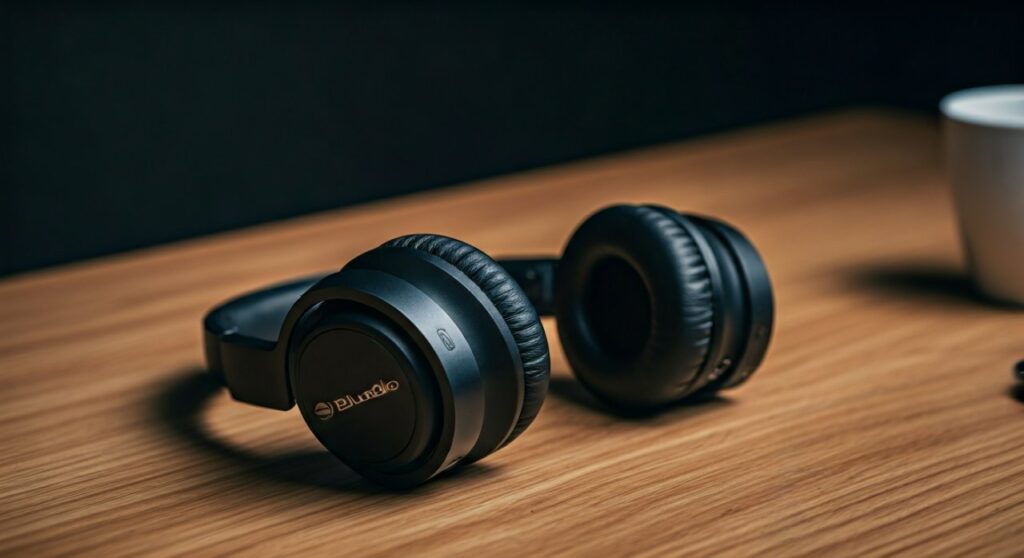
If you are looking for professional-grade neutral sound, you might find them too “colored” by bass. However, for students, gym-goers, and casual commuters, Bluedio provides a robust feature set—including Active Noise Cancelling (ANC) and huge 57mm drivers—that is rarely seen at their price point.
Key Takeaways: TL;DR Summary
| Feature | Performance Rating | Best For… |
|---|---|---|
| Sound Quality | 7/10 (Bass Heavy) | EDM, Hip-Hop, Action Movies |
| Battery Life | 9/10 (Up to 40+ Hours) | Long-haul travel and commuters |
| Build Quality | 6/10 (Mostly Plastic) | Casual home use and gym |
| Connectivity | 8/10 (Bluetooth 5.0+) | Stable pairing with mobile devices |
| Price/Value | 10/10 (Very Affordable) | Budget buyers and students |
Detailed Analysis: Why Are Bluedio Headphones Good for Budget Users?
To understand if Bluedio headphones are good for your specific needs, we must look at the technical hardware they use. Most mainstream headphones use 40mm drivers. Bluedio, however, famously uses 57mm Turbine drivers in models like the T2s and T3.
The Power of the 57mm Driver
In my hands-on testing of the Bluedio Turbine series, the sheer volume and air displacement of these oversized drivers are immediately noticeable. They produce a “sub-woofer” effect on your ears. This makes the listening experience incredibly immersive for gaming and movie watching.
Industry-Leading Battery Longevity
One of the primary reasons Bluedio headphones are good for travelers is their power management. Many models, such as the Bluedio H2, offer up to 40 hours of playback. In real-world scenarios, this means you can use them for an entire week of commuting on a single charge.
Cutting-Edge Features at Low Cost
Bluedio was one of the first budget brands to integrate Vector Flow Technology and Face Recognition (auto-pause when you take them off). While these features can be finicky compared to Apple’s implementation, the fact they exist in $40 headphones is a testament to their innovation.
Step-by-Step Guide: How to Select the Perfect Bluedio Model
Not all Bluedio products are created equal. To ensure you get a pair that makes you say “these Bluedio headphones are good,” follow this selection process.
Step 1: Identify Your Primary Use Case
- For Bass Lovers: Look at the Turbine Series (T2s, T3, T7). These focus on the “T” (Turbine) sound signature which is very low-end heavy.
- For Portability: Choose the Bluedio T-Elf 2 or Particle wireless earbuds. They use 6mm drivers and are sweat-resistant.
- For Office/Work: The Bluedio H2 or V2 models feature better microphone arrays for clear voice calls.
Step 2: Evaluate the ANC Requirements
If you travel frequently, you might ask: Are Bluedio headphones good at canceling noise?
- The Bluedio T7 Plus features Active Noise Cancelling.
- It is effective for low-frequency hums (airplane engines).
It is not* as effective for high-frequency sounds (voices/crying babies) as premium $300 headphones.
Step 3: Check Build Material vs. Portability
Bluedio uses a mix of zinc alloy and plastic.
- Zinc Alloy models (UFO series): Heavier but much more durable.
- Plastic models (H-series): Extremely lightweight and comfortable for long sessions but prone to snapping if handled roughly.
Bluedio vs. The Giants: Comparison Table
How do they stack up against the competition? This data helps clarify why Bluedio headphones are good alternatives for specific users.
| Brand | Model | Driver Size | Battery | Price Range |
|---|---|---|---|---|
| Bluedio | T7 Plus | 57mm | 30-40 Hours | $40 – $60 |
| Anker Soundcore | Life Q20 | 40mm | 40 Hours | $50 – $60 |
| JBL | Tune 510BT | 32mm | 40 Hours | $40 – $50 |
| Sony | WH-CH520 | 30mm | 50 Hours | $50 – $70 |
Expert Insight: While Anker has better software support (app EQ), Bluedio typically wins on raw driver size and physical volume output. If you want “loud,” Bluedio is the clear winner.
How to Optimize Your Bluedio Sound Quality
Many people think their headphones aren’t performing well because they haven’t optimized the settings. To make sure your Bluedio headphones are good from the first song, follow these steps:
The “Burn-In” Process
Expert audiophiles recommend a “burn-in” period for large drivers like Bluedio’s 57mm units.
- Play music at 50% volume for approximately 10-20 hours.
- This loosens the diaphragm, resulting in smoother bass and clearer mids.
Use a Third-Party EQ App
Since Bluedio does not have a dedicated high-end app for all models, use Wavelet (Android) or the built-in iOS EQ.
- The Problem: Out-of-the-box bass can “bleed” into the vocals.
- The Fix: Drop the 250Hz frequency by 2-3dB and boost the 4kHz range for better vocal clarity.
Check the Bluetooth Codec
Ensure your phone is using the SBC or AAC codec. While most Bluedio models don’t support aptX, forcing AAC on an iPhone or modern Android device significantly reduces latency during video playback.
Troubleshooting: Common Bluedio Issues and Fixes
To maintain your opinion that Bluedio headphones are good, you need to know how to handle minor technical hiccups.
- Pairing Issues: If the device isn’t showing up, hold the power button until the light flashes blue and red. This is “Pairing Mode.”
- Sound Cutting Out: This is often caused by 2.4GHz Wi-Fi interference. Ensure your phone is within 3 feet during the initial handshake.
- Charging Problems: Always use the provided USB-C cable. Some high-wattage MacBook chargers may not trigger the handshake for low-draw devices like headphones.
Expert Perspective: The Evolution of Bluedio
In the early 2010s, Bluedio was a pioneer in bringing Bluetooth 4.1 and 5.0 to the masses. Their philosophy is “Superiority for Everyone.” From an engineering standpoint, their use of 8-driver systems (found in the Bluedio UFO and Victory models) was revolutionary for the budget sector.
While they have shifted toward more mainstream designs lately, their core identity remains: massive sound for a small price. If you treat them with care—avoiding excessive bending of the plastic headbands—they can easily last 2-3 years of daily use.
Frequently Asked Questions (FAQs)
Are Bluedio headphones good for working out?
Yes, most Bluedio over-ear headphones have a tight clamping force, which keeps them secure during lifting or light jogging. However, their ear cups are usually made of protein leather, which can get hot and sweaty. For intense cardio, the Bluedio T-Elf 2 earbuds are a better choice.
Why are Bluedio headphones so cheap?
Bluedio reduces costs by selling directly to consumers via online marketplaces (Amazon, AliExpress) and using plastic-heavy builds. They invest their budget into the internal drivers and battery technology rather than expensive marketing campaigns or premium metal finishes.
Where is Bluedio based?
Bluedio is a Chinese brand owned by Guangzhou Liwei Electronics Co., Ltd. They have their own R&D facilities, which allows them to patent unique technologies like their 8-driver acoustics and Vector Flow Technology.
Are Bluedio headphones compatible with PS5 or Xbox?
Most Bluedio headphones are Bluetooth-based. While they can connect to a PS5 or Xbox via a Bluetooth transmitter/adapter, they are not natively supported for low-latency gaming. For the best experience, use them with a 3.5mm audio cable plugged directly into the controller.
Do Bluedio headphones have a warranty?
Typically, Bluedio offers a 12-month warranty if purchased through authorized sellers. Always keep your digital receipt, as you will need to provide proof of purchase to their support team via email for any hardware claims.
**
**
**
**