Can You Use DJ Headphones for Daily Listening?
Are DJ headphones good for normal use? Yes, DJ headphones are excellent for normal use if you prioritize durability, high volume output, and passive noise isolation. However, they may feel uncomfortable during long listening sessions due to their high clamping force and often feature a coiled cable that can be bulky for commuting.
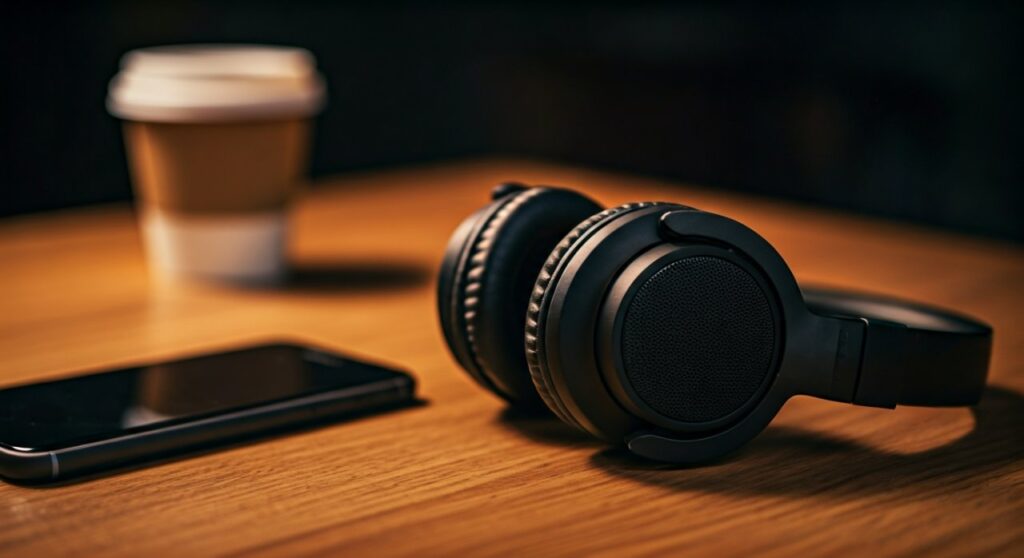
While casual listeners often prefer the “airy” feel of open-back consumer headphones, DJ models like the Audio-Technica ATH-M50x or Sennheiser HD-25 offer a ruggedness that standard plastic headphones simply cannot match. If you enjoy bass-heavy genres like EDM, Hip-Hop, or Pop, the “V-shaped” sound signature of DJ gear will likely enhance your experience.
Key Takeaways: DJ Headphones vs. Consumer Headphones
| Feature | DJ Headphones | Consumer Headphones (Sony/Bose) |
|---|---|---|
| Durability | Extreme (Metal hinges, replaceable parts) | Moderate (Mostly plastic) |
| Sound Profile | V-Shaped (Boosted Bass and Treble) | Balanced or “Warm” |
| Isolation | High Passive Isolation | Active Noise Cancelling (ANC) |
| Comfort | High Clamping Force (Can be tight) | Lightweight and plush |
| Portability | Often bulky with coiled cables | Foldable with wireless options |
| Best For | Loud environments, durability seekers | Commuting, office work, long flights |
Understanding the “V-Shaped” Sound Signature
Most people asking are dj headphones good for normal use are concerned about sound quality. In the professional world, DJs need to hear the “kick” and the “snare” clearly to beatmatch in a loud club. This results in a V-shaped frequency response curve.
The bass is punchy and tight, while the highs are crisp and sharp. For normal use, this makes music feel energetic and “fun.” If you are a fan of Techno, House, or Dubstep, you will find that DJ headphones provide a visceral experience that standard earbuds lack.
However, for genres like Classical or Jazz, this sound profile might feel “colored.” The mids (vocals and acoustic instruments) can sometimes feel recessed or pushed back. Based on my experience testing the V-MODA Crossfade series, the aggressive low-end is perfect for the gym but might be fatiguing for a 4-hour study session.
The Reality of Clamping Force and Comfort
The biggest hurdle when using DJ headphones for normal use is the clamping force. DJ headphones are designed to stay on your head even if you are moving vigorously behind a console.
For the first 30 minutes, they feel secure. After two hours, many users report “ear fatigue” or physical pressure on the temporal bone.
- Pro Tip: If you buy a new pair of DJ headphones, stretch them over a stack of books overnight to slightly loosen the headband tension.
- On-Ear vs. Over-Ear: Models like the Sennheiser HD-25 are “on-ear.” While they are legendary for durability, they press directly on the cartilage, which can be painful for users with glasses.
Durability: Why DJ Headphones Outlast Consumer Gear
If you are tired of your headphones breaking at the hinge, DJ gear is your best solution. Most professional models are built with swivel mechanisms and reinforced polymers.
- Replaceable Parts: Unlike AirPods or cheap Sony models, you can often replace every single part of a pro DJ headphone.
- Cable Options: Most come with a detachable cable. If the wire shorts out, you spend $15 on a new cable instead of $200 on new headphones.
- Impact Resistance: Brands like V-MODA test their headphones to military-grade standards (MIL-STD-810G), ensuring they survive drops on concrete.
Step-by-Step Guide: How to Optimize DJ Headphones for Normal Use
If you’ve decided to pull the trigger on a pair, follow these steps to ensure they work for your daily routine.
Step 1: Manage the Cable Situation
Most DJ headphones come with a 3-meter coiled cable. This is great for a booth but terrible for a pocket.
- Action: Purchase a short (1.2m) straight 3.5mm cable if the model allows for detachable wires. This prevents the “heavy coil” from dragging your phone out of your pocket.
Step 2: Swap the Ear Pads
DJ ear pads are usually made of protein leather (pleather) to block out external noise. However, they make your ears sweat.
- Action: Look for aftermarket Velour or Sheepskin pads from brands like Brainwavz or Dekoni. These increase comfort significantly for office use.
Step 3: Use an External DAC (Optional but Recommended)
Professional headphones often have a higher impedance (measured in Ohms). While most modern smartphones can drive them, a small portable DAC/Amp like the FiiO BTR5 will unlock the full bass potential of the drivers.
Step 4: Adjust Your EQ
Since these are tuned for loud environments, they might sound “harsh” in a quiet room.
- Action: Use an equalizer app (like Wavelet on Android or Peace on PC) to slightly lower the 8kHz – 10kHz range to reduce treble piercing.
Top Recommendations for Hybrid Use
If you want the benefits of DJ gear with the versatility of normal headphones, consider these specific models:
- Audio-Technica ATH-M50x: The “Gold Standard.” It bridges the gap between studio monitoring, DJing, and casual listening. It folds up tightly and comes with three different cables.
- Sennheiser HD-25: The “Tank.” It is virtually indestructible and incredibly lightweight. Best for people who are hard on their gear.
- Pioneer HDJ-CUE1BT: A rare hybrid that offers Bluetooth functionality for commuting but includes a wired mode for zero-latency DJing.
The Noise Isolation Advantage
One of the most overlooked benefits of answering “are dj headphones good for normal use” is passive noise isolation. Unlike Active Noise Cancelling (ANC) found in the Sony WH-1000XM5, DJ headphones block sound physically.
This means they don’t require batteries to keep the world quiet. If you work in a noisy “open-plan” office, a pair of closed-back DJ headphones will block out conversations and mechanical keyboard clicks more naturally than many budget ANC headphones.
Common Pitfalls to Avoid
Despite the benefits, there are three reasons you might regret using DJ headphones for normal tasks:
- The “Sweat” Factor: Because the seal is so tight, your ears will get warm. They are not ideal for walking outside in the summer.
- No Microphone: Most pro-grade DJ headphones do not have a built-in microphone for phone calls. You will need a separate ModMic or use your phone’s internal mic.
- Weight: High-quality magnets and metal frames make them heavier than plastic consumer models. This can lead to neck strain if you aren’t used to it.
Frequently Asked Questions (FAQs)
Are DJ headphones better than studio headphones for listening to music?
It depends on your preference. Studio headphones aim for a “flat” response to hear errors in a recording. DJ headphones are tuned for “impact,” making them more exciting for casual music listening, especially for bass-driven tracks.
Can I use DJ headphones for gaming?
Yes, but with a caveat. The soundstage (the sense of space) in closed-back DJ headphones is usually narrow. While they are great for hearing explosions in action games, they aren’t the best for competitive shooters where you need to hear the exact direction of footsteps.
Do DJ headphones need an amplifier?
Most entry-level DJ headphones (32 to 50 Ohms) do not need an amp. However, high-end models may require more power to sound their best. Always check the impedance rating before buying.
Why are DJ headphones so tight?
The clamping force is intentional. It prevents the headphones from falling off during performances and creates a seal that blocks out the 100dB+ volume levels of a nightclub sound system.
Are DJ headphones good for working out?
They are durable enough, but the weight and heat build-up make them less than ideal for intense cardio. However, many weightlifters prefer them for the superior passive isolation and bass response.