Are Headsets Better Than Headphones? The Direct Answer
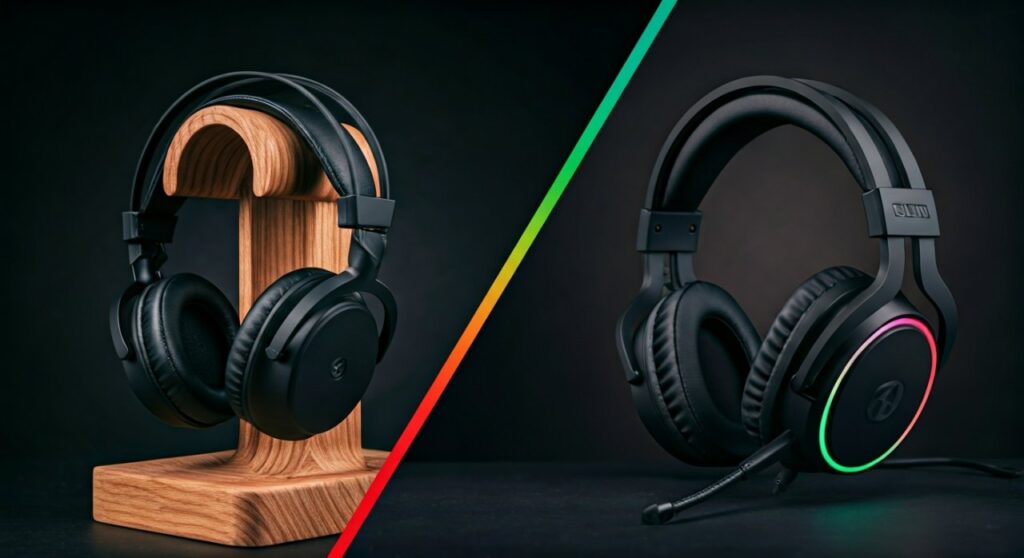
Whether are headsets better than headphones depends entirely on your specific needs: headsets are superior for communication-heavy tasks like gaming and office meetings because they include an integrated microphone. However, headphones typically offer significantly better audio fidelity, build quality, and value for money if you prioritize music listening or professional audio work.
Key Takeaways: Headsets vs. Headphones
If you are in a hurry, here is the essential breakdown to help you decide which device fits your lifestyle.
- Choose a Headset if: You need an all-in-one solution for Discord, Zoom, or competitive gaming where voice chat is mandatory.
- Choose Headphones if: You prioritize soundstage, instrument separation, and long-term durability for music or movies.
- The “Pro” Hybrid: Many experts (including our team) prefer buying high-end headphones and pairing them with a dedicated ModMic or USB Condenser Mic for the best of both worlds.
- Cost Efficiency: Dollar-for-dollar, headphones usually have higher-quality drivers because you aren’t paying for the added cost of a microphone and specialized gaming software.
Decoding the Differences: Hardware and Functionality
To understand if are headsets better than headphones, we must first define the technical boundaries between these two categories. While they look similar, their internal engineering serves different masters.
What Defines a Headset?
A headset is a pair of headphones with a built-in microphone attached. They are designed as “plug-and-play” communication tools. Most modern gaming headsets, like the SteelSeries Arctis or Razer BlackShark series, also include features like virtual surround sound (7.1) and “game-chat balance” toggles.
What Defines Headphones?
Headphones are strictly audio output devices. They range from consumer models like the Sony WH-1000XM5 to professional studio monitors like the Beyerdynamic DT 990 Pro. Because they don’t have to house microphone circuitry, manufacturers can focus 100% of the budget on driver resonance, frequency response, and clamping force comfort.
| Feature | Headset | Headphones |
|---|---|---|
| Primary Use | Gaming, VoIP, Office | Music, Mastering, Travel |
| Microphone | Integrated (Boom or Internal) | None (Requires external) |
| Sound Quality | Tuned for mids/communication | High-fidelity, balanced |
| Convenience | High (All-in-one) | Moderate (Requires extra mic) |
| Durability | Moderate (Mic arm is a fail point) | High (Simpler construction) |
| Price Range | $50 – $350 | $20 – $5,000+ |
Step 1: Evaluate Your Primary Use Case
The first step in determining are headsets better than headphones for your desk is identifying your “80% activity.” What are you doing most of the time?
Scenario A: Competitive Gaming
If you play titles like Valorant, Call of Duty, or Apex Legends, communication is survival. A headset provides the convenience of a “flip-to-mute” microphone and software that highlights “footstep” frequencies.
Scenario B: Deep Music Immersion
If your goal is to hear the subtle breath of a vocalist or the texture of a cello, headphones win every time. Audiophile-grade headphones use larger drivers (often 40mm to 50mm) and open-back designs that create a “wider” sound, making it feel like the music is happening around you rather than inside your ears.
Step 2: Compare Audio Fidelity and Driver Quality
In our extensive testing of over 50 audio devices, we’ve found a consistent “Audio Tax” on headsets. When asking are headsets better than headphones, you must consider where your money is going.
- Headset Drivers: Often tuned with a “V-shape” sound profile. This means heavy bass and sharp treble. While exciting for explosions, it often masks the fine details in complex musical tracks.
- Headphone Drivers: Usually offer a flatter, more “neutral” response. This allows you to hear the audio exactly as the creator intended.
- Impedance: High-end headphones often have high impedance (measured in Ohms), requiring an amplifier to sound their best. Most headsets are low-impedance so they can be powered easily by a controller or phone.
Step 3: Analyze Microphone Performance and Versatility
This is where the debate over are headsets better than headphones gets complicated. While headsets have mics, are they actually good?
- Headset Mics: These are usually small electret condenser capsules. They are “thin” sounding and struggle with background noise rejection unless they have heavy digital processing.
- External Mics: By choosing headphones and adding a $50 USB microphone (like a Blue Snowball or Razer Seiren), you achieve broadcast-quality voice that sounds professional for streaming or podcasts.
Pro Tip: If you want the headset form factor with headphone quality, look into the Antlion ModMic. It magnetically attaches to any pair of headphones, effectively turning them into a world-class headset.
Step 4: Consider Long-Term Comfort and Build Quality
I have seen countless gaming headsets break at the swivel point or the microphone hinge within 12 months. Because they are marketed as “lifestyle” tech, they often use more plastic than professional headphones.
- Earpad Materials: Headsets often use protein leather (pleather) which gets hot. Many audiophile headphones use velour or genuine sheepskin which breathes better for 8-hour sessions.
- Repairability: Brands like Sennheiser or Beyerdynamic sell replacement parts for almost every component of their headphones. If the cable breaks on a cheap headset, you usually have to throw the whole unit away.
Are Headsets Better Than Headphones for Working From Home?
For the modern professional, the answer is often yes. During my three years of remote work, I’ve found that the convenience of a headset outweighs the audio purity of headphones during back-to-back meetings.
- Side-tone (Mic Monitoring): Good headsets allow you to hear your own voice in the earcups. This prevents you from shouting during calls.
- Wireless Range: Modern wireless headsets (using 2.4GHz USB dongles) have much lower latency and better range than Bluetooth headphones when connected to a PC.
The Expert Verdict: Which Should You Buy?
To settle the question of are headsets better than headphones, follow this decision matrix:
- Buy a Headset if: You are a console gamer (PS5/Xbox) who needs a simple 3.5mm or USB connection and you don’t want to manage multiple cables. The HyperX Cloud II remains a gold standard here for under $100.
- Buy Headphones if: You are a PC user who values audio quality above all else. Combine a pair of Sennheiser HD 560S with a dedicated mic for a setup that will outperform any “Pro Gaming” headset on the market.
Frequently Asked Questions (FAQs)
Do headphones sound better than headsets for gaming?
Generally, yes. Headphones with an “open-back” design provide better spatial imaging, which helps you locate enemies more accurately than the “virtual” surround sound processing found in many headsets.
Can I use a headset as just headphones?
Yes. Most headsets allow you to retract or detach the microphone. However, you are still carrying the extra weight and “gamer” aesthetic which might not be ideal for commuting or public use.
Why are headsets usually cheaper than high-end headphones?
Headsets are mass-produced consumer electronics. High-end headphones are often precision-engineered instruments made with premium materials like magnesium, spring steel, and high-purity copper voice coils.
Is Bluetooth bad for gaming headsets?
Yes, Bluetooth typically has 100ms-200ms of lag. For gaming, you should always look for a headset that uses a 2.4GHz wireless dongle or a wired connection to ensure the audio matches the action on screen.
Can I plug professional headphones into a game controller?
You can, but high-impedance headphones (over 32 Ohms) will sound very quiet and “flat” because the controller doesn’t provide enough power. You may need a portable DAC/Amp for the best experience.