Can You Use a White Sheet as a Projector Screen? The Honest Truth
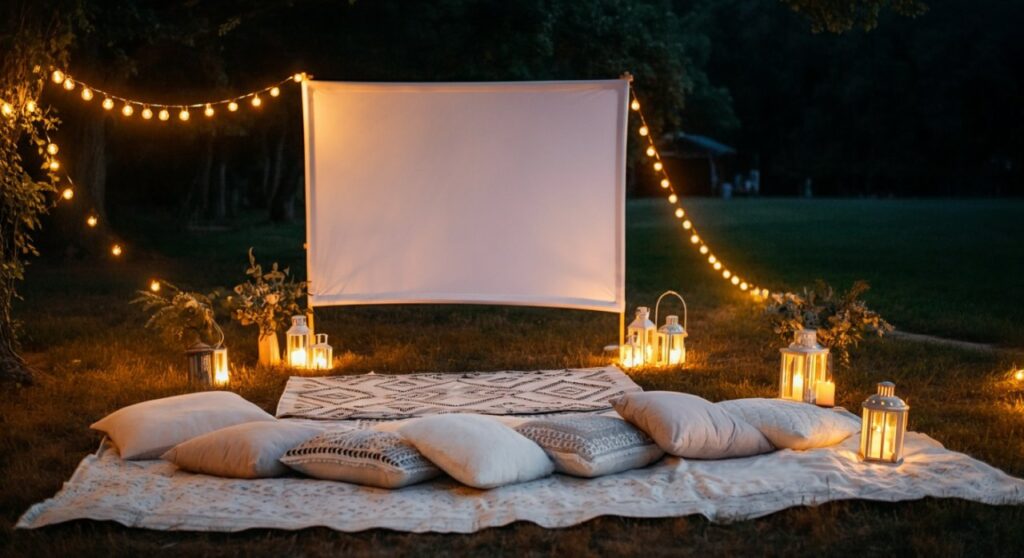
Yes, you can use a white sheet as a projector screen for a casual movie night, but it is far from the ideal solution for high-quality visuals. While it is a quick, budget-friendly fix, the fabric often lacks the necessary opacity and reflective coating required to prevent light from passing through and washing out the image. If you find yourself wondering can you use a white sheet for a projector screen, the answer is technically yes, but expect significant loss in contrast, color accuracy, and overall sharpness compared to a dedicated screen.
TL;DR: Quick Comparison of Projection Surfaces
| Surface Type | Image Quality | Cost | Ease of Setup |
|---|---|---|---|
| White Sheet | Poor (Low Contrast) | $0 – $10 | Very Easy |
| Blackout Cloth | Good (Decent Gain) | $20 – $40 | Moderate |
| Projector Paint | Very Good | $50 – $150 | Difficult |
| Dedicated Screen | Excellent | $100+ | Easy to Permanent |
Why a White Sheet Often Falls Short
When you ask, “can i use a white sheet as a projector screen,” you are likely prioritizing convenience over performance. However, there are physical limitations to using standard household linens that will impact your home theater experience.
The Problem with Opacity
Most bed sheets are thin and woven in a way that allows light to pass through. When light hits the fabric, a large percentage of it continues through the back instead of bouncing back to your eyes. This results in a dull, washed-out image that lacks the “pop” of true cinema.
Texture and “Gain”
Projector screens are engineered with specific gain ratings to reflect light efficiently. A bed sheet has a loose weave and fabric texture that creates tiny shadows across your image. Over time, you might notice the texture interferes with the pixel structure of your high-definition projector.
Step-by-Step: How to Optimize a Sheet for Projection
If you have decided that you can use a white sheet for a projector screen for an outdoor gathering or a one-time event, you can improve the results with these expert tips.
- Choose the Right Material: Opt for the thickest, highest-thread-count white cotton sheet you can find. Avoid patterns or colored fabric, as these will tint your image and ruin color accuracy.
- Pull It Tight: The most critical step is eliminating wrinkles and folds. Use clips, tape, or a frame to stretch the sheet as taut as possible. Any sagging will distort the image geometry significantly.
- Use a Backing Layer: Place a dark-colored blanket or a piece of cardboard behind the sheet. This backlight blocking technique prevents light from escaping out the back and helps maintain better contrast levels.
- Manage Ambient Light: Since sheets have poor reflective properties, they are highly susceptible to ambient light. Ensure your room is as dark as possible to compensate for the material’s low performance.
Better Alternatives to Consider
After experiencing the limitations of a sheet, most enthusiasts look for an upgrade that doesn’t break the bank. You don’t have to spend a fortune to get a significant boost in quality.
Blackout Cloth
This is the gold standard for DIY enthusiasts. Blackout cloth is an opaque, rubberized fabric designed specifically to block light. It is affordable, easy to staple to a wooden frame, and provides a much smoother, more reflective surface than any sheet.
Fixed Frame vs. Pull-Down Screens
If you have a dedicated space, a fixed frame screen is the best option for maintaining a flat surface. For multi-purpose rooms, a pull-down or motorized screen offers the perfect balance between convenience and image quality.
Frequently Asked Questions
Is it better to use a white sheet or a bare wall?
In most cases, a smooth, matte white wall is superior to a sheet. Walls don’t suffer from the transparency issues of fabric and provide a more rigid, wrinkle-free surface for your projector.
Does the thread count of the sheet matter?
Yes. A higher thread count generally means a tighter weave, which reduces the amount of light that passes through and creates a smoother surface that minimizes fabric texture distortion on your projected image.
Can I paint a sheet to make it better?
Technically you can apply specialized projector paint to fabric, but it is generally a bad idea. Fabric is flexible and moves, while projector paint is rigid; the paint will likely crack and peel as the sheet shifts or is folded.
What is the most budget-friendly alternative to a dedicated screen?
Buying a few yards of blackout cloth from a local fabric store and wrapping it around a DIY wooden frame is widely considered the best “bang for your buck” solution for achieving professional-level results at home.