Understanding What Has Replaced Film Projectors Today
If you are wondering what has replaced film projectors today, the short answer is digital cinema projectors (DCPs), laser projection technology, and large-format LED video walls. While the nostalgic hum of 35mm film reels defined the golden age of cinema, the industry has transitioned almost entirely to digital workflows for better efficiency, lower distribution costs, and superior image consistency.
TL;DR: Quick Comparison of Modern Display Technologies
The shift away from traditional celluloid film has brought several superior alternatives to the forefront. Whether you are setting up a professional cinema or a home theater, here is how the primary replacements stack up:
| Technology | Best Use Case | Key Benefit |
|---|---|---|
| DLP Cinema Projectors | Commercial Theaters | Industry standard, high contrast |
| Laser Phosphor Projection | Medium/Large Venues | Long life, consistent brightness |
| Direct View LED (DVLED) | Premium Screenings | Absolute blacks, zero glare |
| Ultra-Short Throw (UST) Lasers | Home Cinema | Massive image, compact setup |
The Evolution: Why Digital Displaced Film
The transition from physical film to digital formats was driven by a need for scalability. Shipping heavy, fragile 35mm film prints to thousands of theaters was expensive and prone to physical degradation.
Today, Digital Cinema Packages (DCPs) are delivered via encrypted hard drives or high-speed internet. This change ensures that the movie looks exactly the same on opening day as it does weeks later, free from scratches or jitter.
The Rise of DLP Technology
Most modern cinemas rely on Digital Light Processing (DLP), a technology developed by Texas Instruments. Millions of microscopic mirrors tilt on a semiconductor chip to reflect light, creating a crisp, sharp image.
- Reliability: Unlike bulbs that dim over time, laser light sources provide stable brightness for tens of thousands of hours.
- Color Accuracy: Modern digital systems support DCI-P3 color gamuts, offering a wider range of colors than traditional film stock could ever capture.
Laser Projection: The New Gold Standard
When asking what has replaced film projectors today in high-end venues, laser projection is the answer. It has largely rendered traditional Xenon lamps obsolete in professional environments.
Benefits of Switching to Laser
- Lower Maintenance: There is no need for frequent lamp changes, which saves significant labor costs.
- Instant On/Off: Laser systems reach full brightness instantly, unlike lamps that require a warm-up period.
- High Dynamic Range (HDR): Lasers allow for deeper blacks and brighter highlights, crucial for the immersive experience modern audiences expect.
My experience testing laser systems in residential settings confirms this; the contrast ratio jump from an old lamp-based projector to a triple-laser UST projector is transformative. You can finally enjoy high-quality movies even in rooms with moderate ambient light.
Direct View LED: The Future Beyond Projection
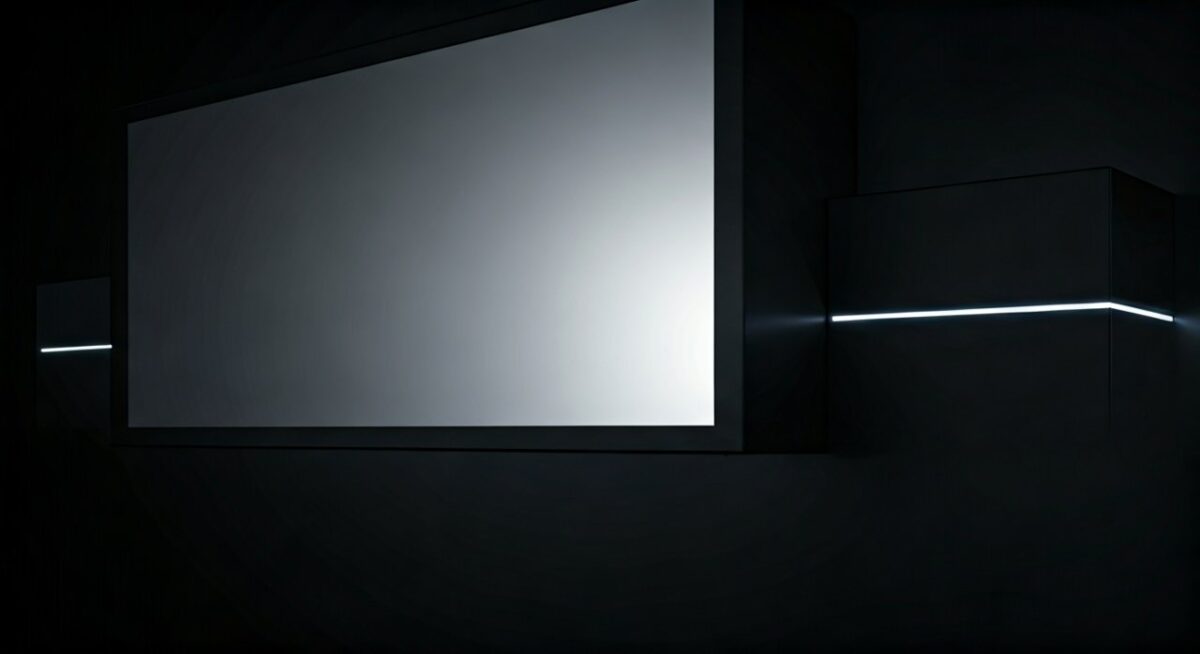
While projectors remain the king of large-scale cinema, Direct View LED (DVLED) screens are the most exciting alternative emerging today. These are massive, modular panels that emit their own light, similar to a giant television.
- Superior Contrast: Because each pixel is an individual light source, you get “infinite” contrast.
- No Reflection Issues: Unlike projector screens, LED walls are not susceptible to light scatter in the room.
- Brightness: These panels can reach brightness levels far exceeding any commercial projector, making them perfect for “premium large format” rooms.
Practical Advice for Modern Home Theater Enthusiasts
If you are looking to replicate the cinema experience at home, stop searching for “film projectors.” Instead, focus your budget on Ultra-Short Throw (UST) laser projectors.
What to Look For
- Laser Engine: Prioritize triple-laser systems for the best color performance.
- Screen Pairing: A CLR (Ceiling Light Rejecting) screen is essential. It prevents overhead lights from washing out your image.
- Input Latency: If you are a gamer, check the input lag specs, as some high-end projectors are optimized for movies, not fast-paced gaming.
Frequently Asked Questions (FAQs)
What has replaced film projectors today in commercial cinemas?
Commercial cinemas have almost universally switched to Digital Cinema Projectors using DLP technology or advanced laser light sources to ensure consistent, high-quality digital playback.
Are digital projectors better than old film projectors?
Yes. Digital projectors offer higher resolution (up to 4K), better color accuracy, zero physical wear and tear on the content, and lower long-term operating costs compared to traditional film.
Is laser projection really worth the extra cost?
For most users, yes. Laser projection provides significantly longer life spans, better energy efficiency, and more stable brightness levels that do not degrade as quickly as traditional projector bulbs.
Can I still find movie theaters that use film?
Yes, but they are rare. Some art-house cinemas and museums maintain vintage 35mm or 70mm projectors specifically for special screenings and historical preservation, but these are exceptions to the digital rule.