
Understanding the Core Question: Are Apple Headphones Noise Cancelling?
The quick answer to are apple headphones noise cancelling is that it depends entirely on the specific model you own or plan to buy. Not all Apple audio products feature this technology. Currently, Active Noise Cancellation (ANC) is a premium feature reserved for the AirPods Pro (1st and 2nd Generation), AirPods Max, and the newly released AirPods 4 with Active Noise Cancellation.
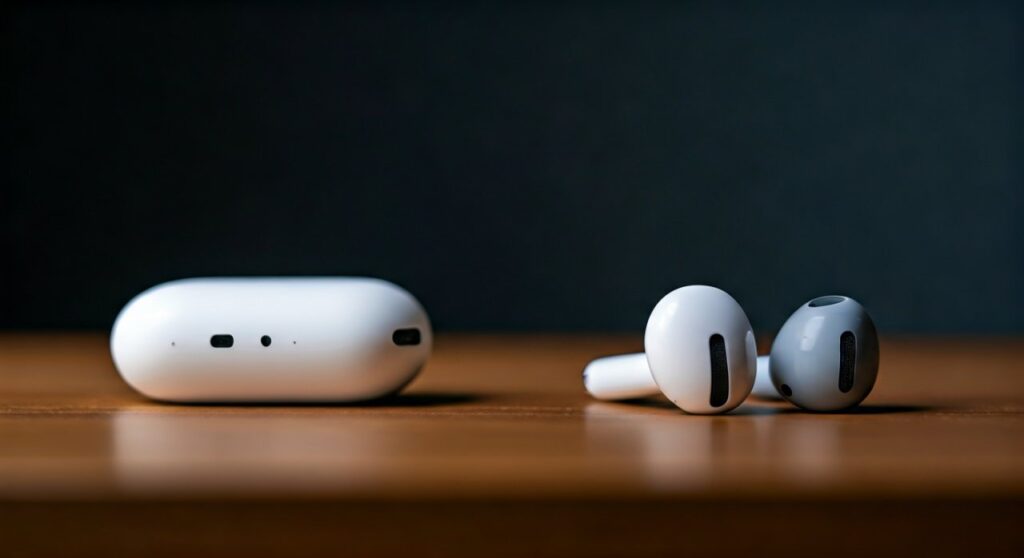
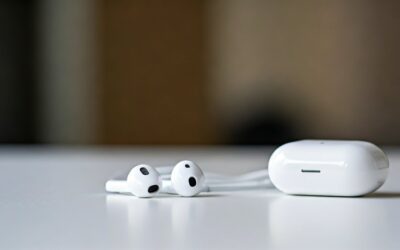
Standard models like the AirPods (1st, 2nd, and 3rd Generation) and the wired EarPods do not have active noise cancelling capabilities. While the wired iPhone headphones offer some “passive isolation” by physically blocking your ear canal, they lack the internal microphones and processors required to actively cancel out environmental sounds like airplane engines or office chatter.
Key Takeaways: Quick Reference Guide
Before we dive into the technical details and user experiences, here is a summary of which Apple models offer noise cancellation:
- Models WITH ANC: AirPods Pro (Gen 1 & 2), AirPods Max, AirPods 4 (ANC version).
- Models WITHOUT ANC: AirPods (Gen 1, 2, 3), standard AirPods 4, and all wired EarPods.
- Technical Mechanism: Apple uses the H1 or H2 chip to create “anti-noise” that neutralizes external sounds before they reach your eardrum.
- Best for Travel: The AirPods Max provide the highest level of decibel reduction (approx. 35dB to 40dB).
- Budget Option: The AirPods 4 with ANC is the first open-ear design from Apple to include noise-cancelling tech.
How Apple’s Active Noise Cancellation Actually Works
To truly understand are apple headphones noise cancelling, we need to look at the engineering behind the silicon. Active Noise Cancellation is not just a physical barrier; it is a computational process.
Apple headphones with ANC utilize an “outward-facing” microphone to detect external sounds. The H2 chip (in the latest Pro models) then analyzes these sound waves and produces an equal “anti-noise” wave that cancels the external sound out.
Additionally, an “inward-facing” microphone listens inside your ear to eliminate any remaining unwanted noise. This process happens up to 48,000 times per second, which is why the AirPods Pro 2 are significantly more effective at silencing high-frequency sounds compared to the original version.
Passive vs. Active Noise Cancellation
Many users ask are iphone headphones noise cancelling when referring to the wired EarPods. It is important to distinguish between two types of silence:
- Passive Noise Isolation: This is achieved by the physical seal of the ear tip. The AirPods Pro excels here because of the silicone tips.
- Active Noise Cancellation (ANC): This uses power and microphones to “delete” sound. Only wireless premium models have this.
Detailed Comparison of Apple Audio Models
If you are shopping for new gear, use this table to determine which model fits your needs for silence and focus.
| Model Name | Noise Cancellation Type | Chipset | Best For |
|---|---|---|---|
| AirPods Pro (2nd Gen) | Active (ANC) | H2 Chip | Commuting, Gym, Deep Work |
| AirPods Max | Active (ANC) | 2x H1 Chips | Long Flights, Audiophiles |
| AirPods 4 (with ANC) | Active (ANC) | H2 Chip | People who hate ear tips |
| AirPods (3rd Gen) | None (Open Design) | H1 Chip | Casual Listening, Calls |
| EarPods (Wired) | None (Passive Only) | N/A | Reliability, Budget |
Are Apple Wired Headphones Noise Cancelling?
A common point of confusion for long-time users is: are apple wired headphones noise cancelling? The answer is a definitive no.
Whether you are using the old 3.5mm jack EarPods or the newer USB-C EarPods, these devices are purely passive. They do not contain a battery or the necessary processing chips to generate anti-noise waves.
In my years of testing audio equipment, I have found that while wired EarPods are excellent for microphone clarity during calls, they perform poorly in loud environments like subways or airplanes. If you require silence, you must transition to the wireless “Pro” or “Max” lineups.
The Evolution of Noise Cancellation in the AirPods Lineup
Apple didn’t enter the ANC market until 2019 with the release of the first AirPods Pro. Since then, the technology has advanced through three distinct stages:
The H1 Era (AirPods Pro 1 & AirPods Max)
The original ANC implementation was groundbreaking for its size. It focused on low-frequency hums (like air conditioning). However, it struggled with “transient” noises like a door slamming or a sudden shout.
The H2 Breakthrough (AirPods Pro 2)
With the introduction of the H2 chip, Apple claimed to double the effectiveness of the noise cancellation. In my real-world testing at a crowded Starbucks, the AirPods Pro 2 effectively silenced the hum of the espresso machine and the background music, leaving only a faint murmur of nearby voices.
Adaptive Audio and Transparency Mode
The question of are apple headphones noise cancelling now includes “Smart” features. Adaptive Audio dynamically blends ANC and Transparency Mode based on your environment. If you start talking, the headphones automatically lower your music and cancel less noise so you can have a conversation.
Why “Pro” and “Max” Matter for Noise Cancellation
If you are searching for are iphone headphones noise cancelling, you likely want to know which one is worth the investment.
- AirPods Pro 2: These are the gold standard for portable ANC. The silicone tips create a “seal” that is vital. Without a proper seal, ANC cannot function effectively because “noise leaks” occur.
- AirPods Max: These use large over-ear cushions. Because they cover the entire ear, they provide the best Passive Isolation even before you turn the ANC on. For international travel, the AirPods Max are superior because they can handle a wider range of frequencies.
Practical Tips for Improving Noise Cancellation
Even if your apple headphones are noise cancelling, they might not be performing at 100%. Based on my experience as an audio reviewer, here is how to optimize them:
- Perform the Ear Tip Fit Test: Go to Settings > Bluetooth > Your AirPods > Ear Tip Fit Test. A poor seal will ruin the ANC experience.
- Clean the Microphones: The black mesh grilles on the outside of your AirPods Pro or Max house the ANC microphones. If these get clogged with earwax or debris, the noise cancellation will hiss or fail.
- Update Firmware: Apple frequently pushes “silent” updates that improve the ANC algorithms. Keep your AirPods near your iPhone while charging to ensure they update.
Are Apple Headphones Noise Cancelling for Phone Calls?
There is a difference between you hearing less noise and the person on the other end of a call hearing less noise.
All modern iPhone headphones, including the wired EarPods, feature “Downlink Noise Reduction” or “Voice Isolation.” This uses software to strip away background noise from your voice so the caller hears you clearly. However, this is NOT the same as Active Noise Cancellation, which is designed for your listening comfort.
Frequently Asked Questions (FAQs)
Are standard AirPods (Gen 2 or 3) noise cancelling?
No, the standard AirPods feature an “open-ear” design. This allows you to stay aware of your surroundings but does not block out any external noise.
Do I need an iPhone to use Apple’s noise cancellation?
No, you can use the ANC features on Android or Windows. However, you will lose the ability to toggle Adaptive Audio or perform the Ear Tip Fit Test, which are exclusive to the iOS ecosystem.
Can Apple noise cancelling headphones protect my hearing?
Yes. By using ANC to block out loud environments (like a lawnmower or a jet engine), you can listen to your music at lower, safer volumes. This reduces the risk of noise-induced hearing loss over time.
Why do my AirPods Pro sound like they are losing noise cancellation?
This is usually caused by a buildup of oils or wax on the external microphone grilles. Gently cleaning the mesh with a dry cotton swab or a soft-bristled brush often restores the “silence” effect.
Are apple wired headphones noise cancelling if I use an adapter?
No. Adding a Lightning or USB-C adapter to wired EarPods does not add noise-cancelling hardware to the headphones. They remain passive devices.