

The Science of Sound: Are Bone Conduction Headphones Safe?
Are bone conduction headphones safe? Yes, bone conduction headphones are highly safe and often considered a healthier alternative to traditional earbuds because they transmit sound through vibrations in the cheekbones, bypassing the eardrums entirely. However, they still transmit sound to the inner ear (cochlea), meaning they can still cause hearing damage if used at excessive volumes for prolonged periods.
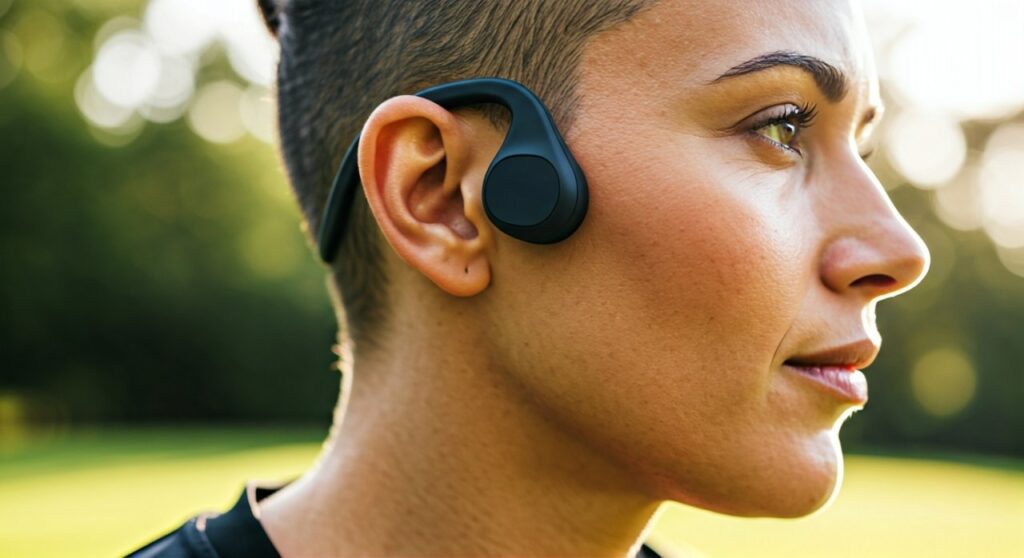
If you are a runner, a cyclist, or someone prone to ear infections, this technology is a game-changer. By keeping the ear canal open, these devices offer a unique blend of safety, hygiene, and situational awareness that traditional headphones simply cannot match.
Key Takeaways: Safety at a Glance
If you are looking for a quick summary of the safety profile of these devices, here are the essential points:
- Eardrum Protection: They bypass the tympanic membrane (eardrum), reducing the risk of eardrum-related injuries.
- Situational Awareness: Because they do not block the ear canal, they are arguably the safest headphones for cycling and outdoor running.
- Ear Hygiene: They eliminate the risk of earwax buildup and fungal infections common with in-ear monitors (IEMs).
- Inner Ear Risk: You can still damage your cochlea if the volume is too high; the “60/60 rule” still applies.
- Non-Ionizing Radiation: They use the same Bluetooth technology as AirPods, which is classified as safe for human use by the FCC and WHO.
How Bone Conduction Technology Works
To understand if are bone conduction headphones safe, you first need to understand how we hear. Normally, sound waves travel through the air, into the ear canal, and vibrate the eardrum.
Bone conduction headphones skip the middleman. They use electromechanical transducers that convert electrical signals into mechanical vibrations. These vibrations travel through your temporal bone directly to the cochlea.
As a long-time marathon runner who has tested brands like Shokz (formerly AfterShokz) and Mojawa, I have found that the sensation is different—it feels like the music is playing “inside your head” while your ears remain completely free to hear the world around you.
Are Bone Conduction Headphones Safer Than Earbuds?
When comparing are bone conduction headphones safer than earbuds, the answer is a resounding yes for two specific reasons: hygiene and external awareness.
Reducing the Risk of Ear Infections
Traditional earbuds trap moisture and heat inside the ear canal. This creates a breeding ground for bacteria and fungus. If you have sensitive ears or a history of swimmer’s ear, switching to bone conduction is a medical-grade upgrade for your lifestyle.
Eliminating the “Occlusion Effect”
When you plug your ears with AirPods or silicone tips, you experience the “occlusion effect”—the booming sound of your own voice or footsteps. Are bone conduction headphones safer than airpods? In terms of comfort and natural sound perception of your own body, yes.
Comparison Table: Bone Conduction vs. Traditional Headphones
| Feature | Bone Conduction | In-Ear Earbuds | Over-Ear Headphones |
|---|---|---|---|
| Sound Path | Cheekbone to Cochlea | Ear Canal to Eardrum | Ear Canal to Eardrum |
| Eardrum Strain | Zero | High | Medium |
| Situational Awareness | Excellent | Poor (unless Transparency mode) | Low |
| Ear Canal Hygiene | High (Open) | Low (Plugged) | Medium |
| Max Volume Risk | Moderate | High | High |
Are Bone Conduction Headphones Safe for Your Ears and Hearing?
A common misconception is that because they don’t use the eardrum, you can’t go deaf using them. This is false. Is bone conduction headphones safe for your long-term hearing? Only if you manage the volume.
The cochlea contains tiny hair cells (stereocilia) that translate vibrations into nerve impulses. Whether the vibration comes from the eardrum or the cheekbone, if it is too powerful, it can flatten these hair cells.
- Expert Insight: Audiologists recommend keeping the volume below 85 decibels.
- The Vibration Warning: Many bone conduction users report a “tingling” or “buzzing” sensation at 100% volume. If you feel this, the device is too loud and could be causing inner ear fatigue.
Are Bone Conduction Headphones Safe for Your Brain?
The question are bone conduction headphones safe for your brain often stems from fears about Bluetooth radiation or “vibrating the skull.”
There is currently no scientific evidence suggesting that the mechanical vibrations from these headphones have any negative impact on brain tissue. The vibrations are lower in intensity than the vibrations caused by your own voice when you speak or sing.
Regarding Bluetooth radiation:
- These devices use non-ionizing radiation.
- The Specific Absorption Rate (SAR) of these devices is well within international safety limits.
- They are no more “dangerous” to your brain than a standard pair of wireless headphones.
Specialized Use Cases: Tinnitus and Cycling
Are Bone Conduction Headphones Safe for Tinnitus?
For many sufferers, are bone conduction headphones safe for tinnitus is a vital question. While they aren’t a “cure,” they are often much more comfortable.
Plugging the ear canal with an earbud can make the internal “ringing” of tinnitus feel louder due to the lack of ambient noise. Bone conduction allows ambient sound to mask the tinnitus naturally, providing a much more pleasant listening experience.
Are Bone Conduction Headphones Safe for Cycling?
In many jurisdictions, wearing headphones that cover both ears while cycling is illegal. Are bone conduction headphones safe for cycling? They are widely considered the gold standard for bike safety.
Being able to hear a car’s engine, a siren, or a fellow cyclist’s shout while still listening to your GPS or podcast is a massive safety advantage. I personally never ride my gravel bike without my Shokz OpenRun, as it allows me to stay connected without sacrificing my life.
Step-by-Step: How to Use Bone Conduction Headphones Safely
To ensure you are getting the most out of your device without risking your health, follow this guide:
Step 1: Position the Transducers Correctly
Do not place the pads inside your ears. They should sit on the cheekbone (malar bone), just in front of the tragus of your ear.
Step 2: Calibrate Your Volume
- Put on the headphones in a quiet room.
- Turn the volume up until you can hear clearly.
- Have a conversation with someone nearby. If you can’t hear them, your volume is too high.
Step 3: Use Earplugs in High-Noise Environments
If you are on a plane or a loud train, you can actually wear foam earplugs with bone conduction headphones. This blocks the external noise while the music travels through your bone, ironically improving the sound quality.
Step 4: Monitor for Skin Irritation
Since the band wraps around the back of the head and the pads press against the skin, sweat can cause minor irritation. Are bone headphones safe for sensitive skin? Yes, provided you wipe them down with a non-alcoholic disinfectant after every workout.
The Reality: Are Bone Conduction Headphones Dangerous?
There are very few scenarios where are bone conduction headphones dangerous. The primary “danger” isn’t the technology itself, but the distraction factor.
- Audio Masking: At very high volumes, even bone conduction can “mask” external sounds. You might still miss a car horn if your heavy metal playlist is at 100%.
- Vertigo: A small percentage of users (less than 1% based on anecdotal user data) report mild dizziness or vertigo due to the vibrations affecting the vestibular system in the inner ear.
Frequently Asked Questions (FAQs)
Can bone conduction headphones cause headaches?
For some users, the clamping force required to keep the transducers against the cheekbone can cause a tension headache. If you experience this, look for models with adjustable titanium bands or a “lighter” fit.
Are bone conduction headphones safe for children?
Yes, they are often safer for children than earbuds because they prevent kids from “shoving” speakers deep into their ear canals. However, parental volume limiting is still necessary.
Do bone conduction headphones cause bone cancer?
No. There is zero scientific evidence linking mechanical vibrations or low-power Bluetooth signals to bone cancer or any other form of malignancy.
Is it safe to wear them while it’s raining?
Most high-quality bone conduction headphones (like the Shokz OpenRun Pro) have an IP55 or IP67 rating. This means they are safe for sweat and rain, but always check the rating before submerging them in water.
Why do my cheekbones tingle when I use them?
This is caused by the mechanical vibration of the transducers. It usually only happens at high volumes. If it is uncomfortable, simply lower the volume slightly until the sensation disappears.