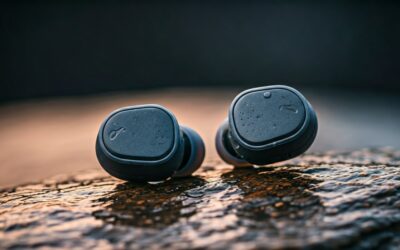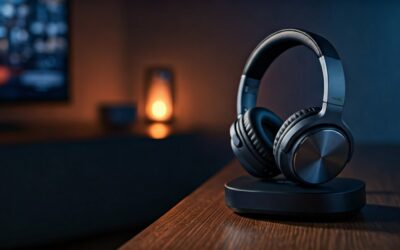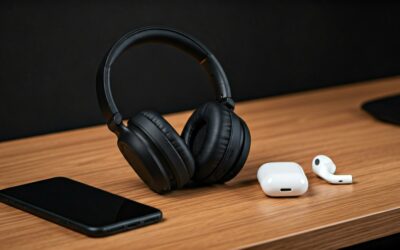

While many people use the terms interchangeably, are earbuds and headphones the same thing? The short answer is no; they differ significantly in design, driver size, and how they deliver sound to your eardrums. Headphones rest over or on your ears using a headband, whereas earbuds are small devices that fit directly into the ear canal or outer ear.
Choosing between them isn’t just about style; it’s about how you experience music and protect your hearing. Having tested hundreds of audio products, from professional Sennheiser studio monitors to the latest Apple AirPods, I’ve found that the “best” choice depends entirely on your environment. Whether you are a frequent traveler needing silence or an athlete needing stability, understanding these differences is crucial.
Key Takeaways: Earbuds vs. Headphones
If you are in a hurry, here are the primary differences you need to know:
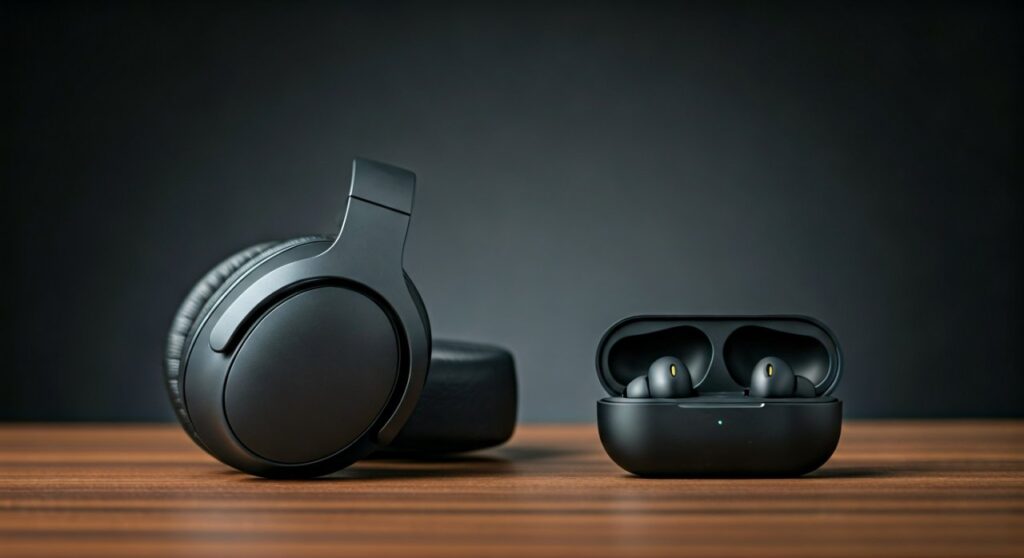
- Design: Headphones use a headband to connect two ear cups; earbuds are independent buds that sit inside the ear.
- Sound Quality: Headphones generally offer a wider “soundstage” due to larger dynamic drivers.
- Portability: Earbuds are the clear winners for commuting and exercise due to their pocket-sized cases.
- Noise Isolation: Over-ear headphones provide better passive isolation, while In-ear monitors (IEMs) seal the ear canal directly.
- Comfort: Headphones can cause “ear clamp” or heat buildup; earbuds can cause canal soreness over long periods.
What Are Headphones? Defining the Over-Ear Standard
To answer are headphones and earbuds the same thing, we must first define what makes a headphone unique. Traditional headphones consist of two speakers (drivers) connected by a band that fits over the top of the head.
In my years of professional audio editing, I have found that headphones offer a level of immersion that smaller devices simply cannot replicate. This is largely due to the physical size of the hardware.
Types of Headphones
There are two primary styles of headphones you will encounter:
- Over-Ear (Circumaural): These have large cushions that completely surround your ears. They are the gold standard for Active Noise Cancellation (ANC) and long-term comfort.
- On-Ear (Supra-aural): These sit directly on the cartilage of your ear. They are more compact than over-ear models but can become uncomfortable after an hour of use due to the pressure.
What Are Earbuds and Earphones?
When people ask are headphones and earphones the same thing, they are usually referring to the small devices we shove into our pockets. However, even within this category, there is a technical split.
Earbuds technically sit on the outer “shelf” of your ear (like the original wired Apple EarPods). They do not seal the ear canal, which allows you to hear surrounding traffic—a safety benefit for runners.
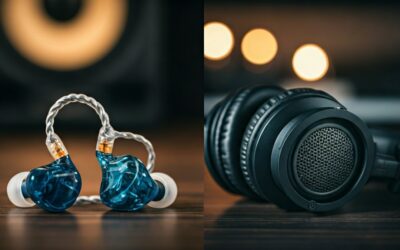
Earphones (often called In-Ear Monitors or IEMs) feature silicone or foam tips that go inside the ear canal. This creates a vacuum seal, blocking out external noise and boosting the bass response significantly.
Why People Confuse the Two
The confusion persists because modern marketing uses these terms loosely. You will often see “wireless headphones” used as a category name on websites like Amazon or Best Buy, even when the results show tiny earbuds.
Technical Comparison: Why the Difference Matters
To truly understand if are earbuds and headphones the same thing, we need to look at the internal components. The physics of sound changes based on the size of the equipment.
| Feature | Headphones (Over-Ear) | Earbuds / Earphones |
|---|---|---|
| Driver Size | 40mm to 50mm | 6mm to 15mm |
| Soundstage | Wide and immersive | Narrow and “inside the head” |
| Battery Life | 30 – 60 hours | 5 – 10 hours (plus case) |
| Portability | Low (requires a bag) | High (fits in a pocket) |
| Common Use | Studio, Gaming, Long flights | Gym, Commuting, Calls |
Driver Size and Sound Quality
Headphones house much larger drivers. A driver is the “engine” that creates sound. Because a 40mm headphone driver moves more air than an 8mm earbud driver, you get deeper, more resonant bass and a clearer separation between instruments.
The Concept of “Soundstage”
In my experience testing high-end gear like the Sony WH-1000XM5, the sound feels like it is happening in a room around you. This is “soundstage.” Earbuds, because they are closer to the eardrum, often feel like the music is playing directly inside your skull.
Are Headphones and Earbuds the Same Thing for Your Health?
One of the most overlooked aspects of the earbuds vs. headphones debate is ear health. As a long-time audio reviewer, I’ve seen how improper use leads to “listener fatigue.”
Headphones are generally considered “safer” for long-term use. Because they sit further from the delicate structures of the inner ear, the pressure levels are less intense.
Earbuds, especially IEMs, deliver sound pressure directly into the canal. If you crank the volume to drown out a noisy bus, you risk Noise-Induced Hearing Loss (NIHL) much faster than you would with noise-canceling headphones.
Pro Tip for Health:
Always follow the 60/60 rule: Listen at no more than 60% volume for no more than 60 minutes at a time when using earbuds.
How to Choose: A Step-by-Step Guide
Deciding which one to buy depends on your lifestyle. Follow these steps to find your perfect match.
Step 1: Identify Your Primary Environment
- Office/Home: Choose Over-ear headphones. They offer the best comfort for an 8-hour workday.
- Gym/Running: Choose Earbuds. Specifically, look for ones with an IPX4 rating or higher for sweat resistance.
- Travel: Both work, but ANC Headphones are better for blocking engine drone, while Earbuds are easier for sleeping on a plane.
Step 2: Evaluate Your Battery Needs
If you frequently forget to charge your devices, Headphones are superior. Many modern pairs last an entire work week on a single charge. Earbuds rely on their charging case, and if the case dies, you are out of luck.
Step 3: Test for Comfort
Everyone’s ears are shaped differently. Some people find the “plugged” feeling of earphones invasive. Others find the weight of headphones causes neck strain. If possible, try on a pair of Bose or Beats at a retail store before committing.
Pros and Cons of Each Style
Headphones (Over/On-Ear)
- Pros:
- Cons:
Earbuds (In-Ear)
- Pros:
- Cons:
Expert Perspective: The “Hybrid” Future
In the professional world, the line is blurring. We now see In-Ear Monitors used by professional musicians on stage because they provide a custom-molded fit that blocks up to 26dB of stage noise.
Meanwhile, “Open-ear” headphones are gaining popularity. These use bone conduction or air conduction to play music near your ear without covering it. This proves that while the answer to are headphones and earbuds the same thing is currently “no,” the technology is evolving toward a middle ground.
Frequently Asked Questions
Is the sound quality better on headphones or earbuds?
Generally, headphones offer better sound quality. Their larger drivers can handle a wider frequency range, providing more accurate bass and a more realistic sense of space compared to the compressed drivers in earbuds.
Are earbuds worse for your ears than headphones?
Yes, earbuds can be more damaging if used incorrectly. Because they sit inside the ear canal, they increase the sound pressure. Additionally, earbuds are more likely to push earwax deeper into the canal, leading to blockages.
Can I use earbuds for professional studio recording?
While some high-end IEMs are used for monitoring, most professionals prefer Open-back headphones for mixing. Headphones provide a more accurate representation of how sound moves in a real room.
Why are some earbuds more expensive than headphones?
High-end earbuds, like those from Noble Audio or Campfire Audio, use multiple “balanced armature” drivers (sometimes 10 or more per ear). This miniaturized technology is incredibly expensive to engineer and manufacture.
Do all headphones have a microphone?
Most modern wireless headphones (like the Sony WH series) have built-in microphones for calls. However, many “Audiophile” or studio headphones are playback-only and do not include a mic.