
Are Gaming Earbuds Better Than Headphones? The Definitive Comparison
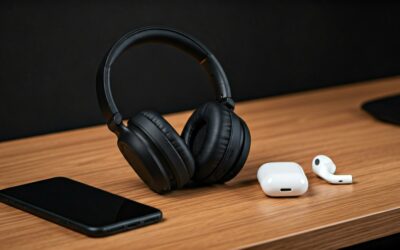
Whether gaming earbuds are better than headphones depends entirely on your priority: headphones generally offer superior spatial awareness and immersive soundstages, while gaming earbuds provide unmatched portability, comfort for long sessions, and less “headphone hair.” For competitive FPS players, headphones are usually the gold standard, but for mobile gamers and those who suffer from ear fatigue, earbuds are the superior choice.
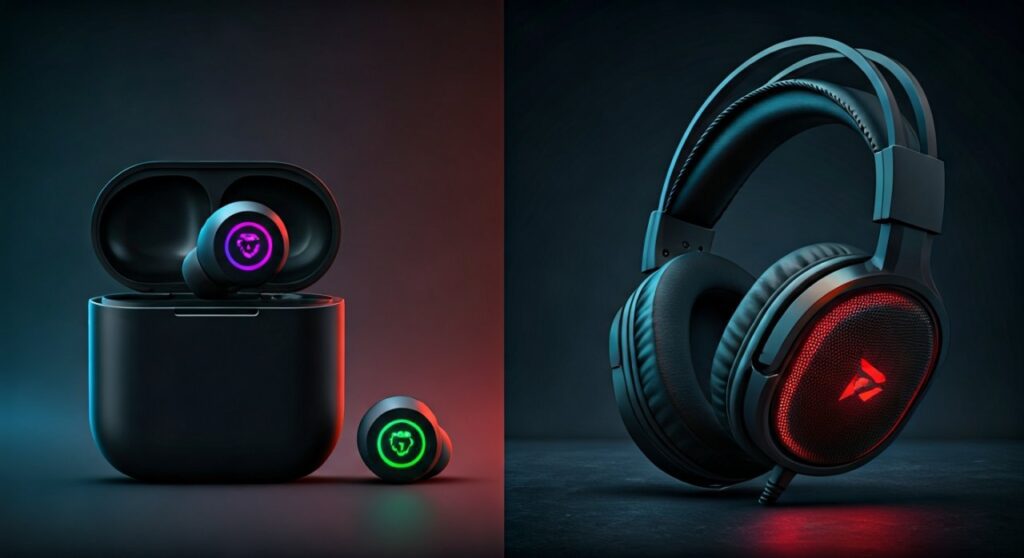
Choosing between these two audio solutions isn’t just about sound quality; it’s about your specific gaming environment, the length of your sessions, and your sensitivity to weight and heat. In this guide, we will break down the technical nuances to help you decide which one deserves a spot in your setup.
Key Takeaways: Quick Comparison
| Feature | Gaming Earbuds (IEMs) | Gaming Headphones |
|---|---|---|
| Soundstage | Narrower, more “intimate” sound. | Wide, expansive, better for 3D positioning. |
| Comfort | Lightweight, no head pressure, cooler. | Heavier, can cause “ear sweat” and neck fatigue. |
| Portability | Extremely high; fits in a pocket. | Low; requires a dedicated carrying case. |
| Mic Quality | Usually average (inline or internal). | Excellent (dedicated boom microphones). |
| Noise Isolation | High (passive seal in ear canal). | Variable (Open-back vs. Closed-back). |
| Best For | Mobile gaming, VR, and travel. | Competitive FPS and immersive RPGs. |
Why People Ask: Are Earbuds Better Than Headphones for Gaming?
The debate regarding are earbuds better than headphones for gaming has intensified recently due to the rise of professional eSports players using In-Ear Monitors (IEMs) during tournaments. In high-stakes environments, pros often wear earbuds for the game audio and heavy-duty noise-canceling earmuffs over them to block out crowd noise.
For the average gamer, the shift toward earbuds is driven by comfort. After 4-5 hours of wearing a heavy SteelSeries or Razer headset, many users experience “clamping force” headaches or excessive heat buildup. Earbuds eliminate these physical burdens entirely.
However, if you are looking for pure competitive advantage, the answer to are earphones better than headphones for gaming often leans toward headphones. The larger dynamic drivers (usually 40mm to 50mm) in headphones move more air, creating a physical sensation of depth that tiny earbud drivers struggle to replicate.
Sound Quality: Analyzing Drivers and Spatial Awareness
When asking are gaming earbuds better than headphones, the most critical factor is “imaging.” Imaging refers to the ability to pinpoint exactly where a sound—like a footstep in Valorant or a gunshot in Warzone—is coming from.
The Headphone Advantage: Soundstage
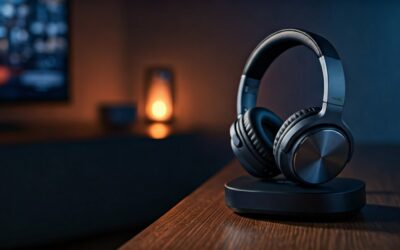
Gaming headphones benefit from a larger physical footprint. Because the drivers sit outside your ear canal, the sound waves interact with your outer ear (the pinna) before entering. This mimics how we hear sounds in real life, resulting in a wider soundstage.
- Open-back headphones (like the Sennheiser HD600 series) provide the most natural spatial awareness.
- Closed-back headphones (like the HyperX Cloud II) offer a tighter sound but better bass response.
The Earbud Advantage: Precision and Detail
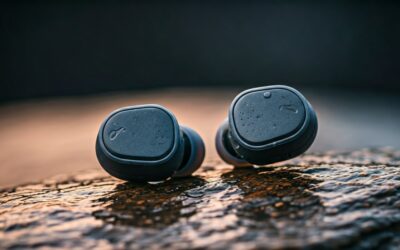
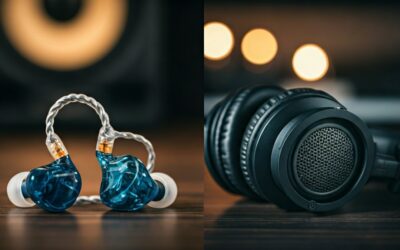
Modern IEMs and gaming earbuds, such as the Razer Hammerhead Pro HyperSpeed, use high-quality Balanced Armature drivers. Because they seal directly into the ear canal, there is zero sound leakage. This provides an incredibly “clean” sound with high detail in the treble, making it easier to hear high-frequency cues like reloading sounds.
Comfort and Ergonomics: The Battle Against Fatigue
If you have ever felt your ears burning after a long raid, you know that comfort is a “make or break” feature. This is where the question are headphones or earbuds better for gaming usually finds a clear winner.
Heat Dissipation
- Headphones: Even with “breathable” mesh earpads, headphones trap heat. This leads to sweating and skin irritation over time.
- Earbuds: They allow your ears to breathe. There is no contact with the skin around your ears, making them the objective winner for hot climates.
Weight and Pressure
A standard gaming headset weighs between 250g and 400g. While manufacturers try to balance this weight with padded headbands, the downward pressure on the “soft spot” of the head can cause discomfort. Gaming earbuds weigh mere grams. You can wear them for 10 hours and literally forget they are there.
Microphone Performance: Communication is Key
Are gaming headsets better than headphones or earbuds when it comes to talking to your squad? Almost always, yes.
- Boom Microphones: Most headphones feature a flexible arm that places the mic directly in front of your mouth. This allows for noise-canceling technology to filter out your mechanical keyboard clicks.
- Inline Microphones: Many wired earbuds have a mic on the cable. This tends to rub against your shirt, creating “scratching” noises for your teammates.
- Internal Microphones: Wireless earbuds (TWS) use internal mics. While convenient, they often sound muffled or “compressed” compared to a dedicated headset mic.
If you are a shot-caller in a competitive team, the superior microphone on a headset like the Logitech G Pro X is a significant advantage.
Portability and Versatility for Modern Gamers
In the modern era, we don’t just game at a desk. We game on Steam Decks, Nintendo Switches, and smartphones.
Are earbuds or headphones better for gaming on the go?
- Earbuds win by a landslide. You can throw a pair of EPOS GTW 270 Hybrid earbuds into your pocket and have a high-end audio experience anywhere.
- Headphones are bulky. Carrying a pair of Sony INZONE H9s on a plane or bus requires a large dedicated bag space.
Furthermore, earbuds are more socially versatile. You can use your gaming earbuds for the gym or commuting without looking like you just stepped off a flight simulator.
Latency: The Silent Performance Killer
Whether you choose earbuds or headphones, latency (the delay between an action on screen and the sound in your ear) is the most important technical stat.
- Wired Connections: Both wired earbuds and wired headphones have zero latency. This is the gold standard for pro gaming.
- 2.4GHz Wireless: Many high-end gaming headsets and a few specific earbuds (like the Sony Pulse Explore) use a USB dongle. This provides “near-zero” latency.
- Bluetooth: Standard Bluetooth is too slow for gaming. It can have a delay of 100ms to 200ms, which is enough to get you killed in a fast-paced shooter.
If you are buying earbuds, ensure they support LC3, aptX Low Latency, or come with a USB-C dongle.
Step-by-Step: How to Choose Which One is Right for You
If you are still torn on whether are gaming earbuds better than headphones, follow this logical framework to make your decision.
Step 1: Identify Your Primary Genre
- FPS (CS2, Valorant, Apex Legends): Choose Headphones. The spatial imaging for footsteps is worth the extra weight.
- RPGs & Strategy (Elden Ring, Civilization): Choose Earbuds. Immersion is great, but comfort for 8-hour sessions is better.
Step 2: Evaluate Your Gaming Environment
- Loud Room / Dormitory: Choose Earbuds or Closed-back Headphones. Earbuds provide a natural vacuum seal that blocks out a surprising amount of ambient noise.
- Quiet Dedicated Office: Choose Open-back Headphones. These offer the best sound quality at the cost of zero noise isolation.
Step 3: Consider Your Hardware
- PC/Console Desktop: Headphones are easier to manage with long cables or dedicated charging stands.
- Handheld/Mobile: Earbuds are the natural companion for portable devices.
Expert Recommendations: The Best of Both Worlds
Top 3 Gaming Headphones
- SteelSeries Arctis Nova Pro Wireless: The king of versatility with dual-battery swapping and incredible spatial audio.
- HyperX Cloud III: The gold standard for “bang-for-your-buck” comfort and durability.
- Beyerdynamic DT 900 Pro X: A professional studio headphone that many pro gamers use for its unmatched imaging.
Top 3 Gaming Earbuds
- Razer Hammerhead Pro HyperSpeed: Features a dedicated 2.4GHz dongle to eliminate Bluetooth lag.
- Sennheiser IE 200: A wired IEM that offers audiophile-grade sound for under $150.
- Logitech G Fits: Uses “Lightform” technology to mold perfectly to the shape of your ear for ultimate comfort.
Final Verdict: The Winner Is…
There is no “one-size-fits-all” answer.
Gaming earbuds are better than headphones if: You prioritize long-term comfort, portability, and hate the “clamped” feeling of a headband. They are the future of mobile and VR gaming.
Gaming headphones are better than earbuds if: You want the best possible competitive advantage, a professional-grade microphone, and a massive, cinematic soundstage for “triple-A” titles.
Frequently Asked Questions (FAQs)
Are earbuds better than headphones for gaming footsteps?
Generally, no. While high-end earbuds (IEMs) have great clarity, the larger drivers in headphones create a wider soundstage, making it easier to judge the distance and verticality of footsteps.
Do pro gamers use earbuds or headphones?
In professional tournaments, players often wear earbuds for the actual game sound and then wear specialized noise-canceling earmuffs (which look like headphones) over them to block the crowd. At home, most pros still prefer high-end open-back headphones.
Can gaming earbuds cause ear infections?
If not cleaned regularly, any earbud can trap bacteria in the ear canal. It is vital to clean the silicone tips of your earbuds weekly. Headphones are generally “safer” for those prone to ear infections since they sit outside the ear.
Are earphones better than headphones for gaming on a budget?
Yes. You can often get higher-quality audio from a $50 pair of IEMs (like the Moondrop Aria) than you can from a $50 gaming headset, which often uses cheap plastic and mediocre drivers.
Is “7.1 Surround Sound” better on headphones?
Virtual 7.1 surround sound is mostly a marketing term. However, it tends to be more effective on headphones because the physical distance between the driver and your ear allows the software to “trick” your brain into perceiving directional audio more effectively than earbuds.