
Are Headphone Amps Necessary? The Definitive Guide to Power and Clarity
Are headphone amps necessary? The short answer is no for most consumer headphones, but yes if you own high-impedance audiophile gear or low-sensitivity planar magnetic headphones. If your headphones sound quiet, “thin,” or lack bass when plugged into your laptop or phone, a dedicated headphone amplifier is essential to unlock their full sonic potential.
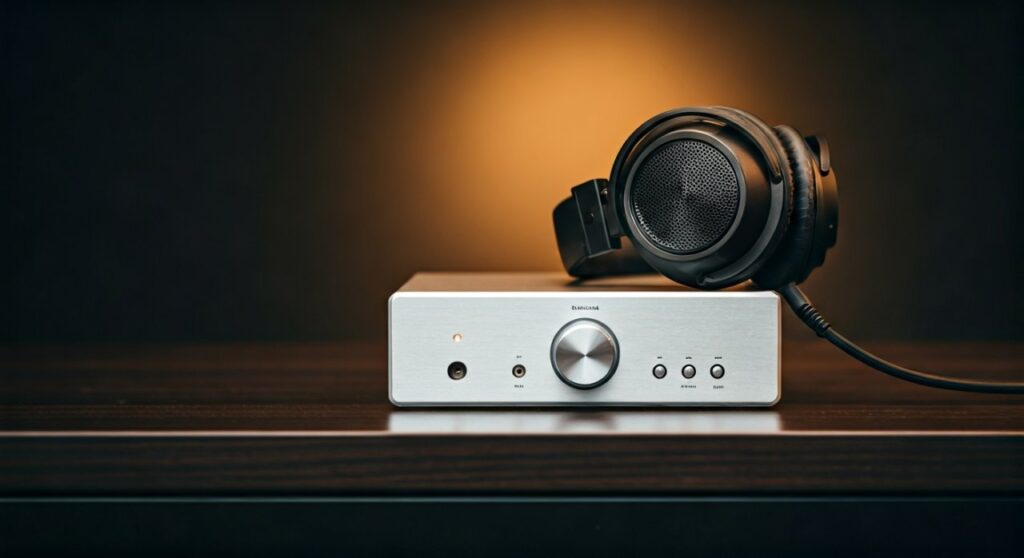
Whether you are a casual listener or a blossoming audiophile, understanding the relationship between power and sound quality is the key to a better experience. Most modern smartphones and laptops are designed for high-efficiency earbuds, not demanding studio equipment. If you use professional gear like the Sennheiser HD600 or the Beyerdynamic DT 1990 Pro, your onboard audio chip simply cannot provide the voltage swing required to move the drivers accurately.
Key Takeaways: Do You Actually Need One?
If you are looking for a quick decision, here is the expert consensus based on technical specifications and real-world testing:
- Low Impedance (Under 32 Ohms): Generally, an amp is not necessary. These are designed for mobile devices.
- High Impedance (Above 100 Ohms): An amp is highly recommended to reach listening volumes without distortion.
- Low Sensitivity (Under 96dB): An amp is mandatory because these headphones require more current to produce sound.
- Planar Magnetic Headphones: Usually require an amp due to their unique driver structure, regardless of impedance.
- Sound Improvement: An amp doesn’t just make things louder; it improves dynamic range, bass impact, and soundstage width.
Understanding the “Why”: Impedance and Sensitivity Explained
To determine if are headphone amps necessary for your specific setup, you must look at two critical numbers on your headphone’s spec sheet: Impedance and Sensitivity.
Impedance (Measured in Ohms Ω)
Impedance represents the electrical resistance of your headphones. Think of it like a water pipe: a high-impedance headphone is a very narrow pipe that requires high pressure (Voltage) to get the water (Current) flowing.
- 16–32 Ohms: Standard for IEMs (In-Ear Monitors) and consumer headphones like Sony WH-1000XM5.
- 80–250 Ohms: Mid-range studio gear. They might work on a laptop, but will sound “hollow.”
- 300–600 Ohms: Legendary headphones like the Sennheiser HD800S. These require a dedicated amp to even function at a normal volume.
Sensitivity (Measured in dB/mW)
Sensitivity tells you how loud the headphones get with one milliwatt of power. This is actually more important than impedance.
A headphone with 90dB sensitivity is much harder to drive than one with 110dB sensitivity. If the sensitivity is low, your smartphone will struggle to provide enough “juice,” resulting in a flat, lifeless sound even if the volume bar is at 100%.
Step-by-Step: How to Test if You Need an Amp
Before spending money on a Schiit Magni or a Fiio K5 Pro, follow these steps to diagnose your current audio quality.
Step 1: The Volume Ceiling Test
Plug your headphones into your primary listening device (laptop or phone). Turn the volume up to your maximum comfortable listening level.
- Result A: You are at 50-70% volume and it’s plenty loud. You likely don’t need an amp for volume, though you might benefit from a better DAC (Digital-to-Analog Converter).
- Result B: You are at 100% volume and it’s still “just okay” or quiet. You definitely need an amp.
Step 2: Listen for “Clipping” and Distortion
Play a track with heavy sub-bass or complex orchestral movements. Listen closely to the low end.
- If the bass sounds muddy, distorted, or seems to “choke” the high notes when it hits, your internal amplifier is clipping. It is trying to provide more power than its battery or circuit allows.
Step 3: Check the Soundstage
Do the instruments sound like they are all smashed together in the center of your head? A quality amp provides better channel separation. If your high-end headphones sound “small,” an amp will “open them up,” creating a wider 3D space.
Comparison: Integrated Audio vs. Dedicated Headphone Amps
| Feature | Integrated Audio (Phone/PC) | Dedicated Headphone Amp |
|---|---|---|
| Power Output | Very Low (10-30mW) | High (200mW to 6000mW) |
| Noise Floor | High (Hissing/Static) | Near Zero (Pure Silence) |
| Output Impedance | Often High (Causes Bloated Bass) | Low (Better Control/Damping) |
| Component Quality | Cheap $1 Chips | Premium Capacitors & Op-Amps |
| Compatibility | Consumer Buds Only | Audiophile & Studio Gear |
The Role of the DAC/Amp Combo
Most people asking are headphone amps necessary are actually looking for a DAC/Amp combo.
A DAC (Digital-to-Analog Converter) turns the 0s and 1s of your music file into an electrical signal. Your computer has one, but it’s often shielded poorly, leading to the “hiss” you hear when no music is playing.
A dedicated setup usually combines a high-quality DAC with a powerful Amp. Popular examples include:
- Portable: AudioQuest DragonFly or Qudelix-5K.
- Desktop: JDS Labs Atom Stack or Topping DX3 Pro+.
Expert Insights: The “Hidden” Benefits of Amplification
Beyond just volume, there are technical reasons why an expert will tell you that are headphone amps necessary for high-fidelity audio.
Damping Factor
The amp doesn’t just push the headphone driver out; it has to pull it back. This control is called the damping factor. A powerful amp “grips” the driver, ensuring the bass is tight and punchy rather than loose and boomy.
Headroom
Think of headroom like a car’s engine. A small car can do 80mph, but it’s screaming at the redline. A V8 engine can do 80mph effortlessly. An amp with high headroom handles sudden peaks in music (like a drum hit) without losing clarity.
Coloration (Tube vs. Solid State)
- Solid State Amps: Provide clean, clinical, and accurate sound.
- Tube Amps: Add “warmth” and even-order harmonics. Many enthusiasts find these make digital music sound more “organic” and “human.”
When You Should NOT Buy an Amp
Don’t fall for the audiophile “snake oil” trap. You do not need an amp if:
- You use Bluetooth headphones (Bose, Sony, AirPods Max). These have an amp built inside the earcups already.
- You use IEMs with high sensitivity. Plugging these into a high-power amp can actually cause a loud “hiss” or even blow out the tiny drivers.
- You are happy with the current sound and volume levels. If it isn’t broken, don’t fix it.
FAQ: Common Questions About Headphone Amps
Q: Will an amp make my cheap headphones sound better?
A: Not significantly. An amp amplifies the signal you have. If your headphones have cheap drivers, an amp will just make their flaws louder. Spend money on better headphones first.
Q: Can I use a guitar amp for my headphones?
A: No. Guitar amps are designed for instrument-level signals and often lack the frequency response needed for high-fidelity music. You risk damaging your ears and the headphones.
Q: What is the “double-amping” myth?
A: Double-amping happens when you plug an amp into a headphone jack (which is already amplified). While not ideal, modern gear is robust enough that it rarely causes audible distortion unless the source volume is maxed out and clipping.
Q: Does Spotify need an amp?
A: The source (Spotify, Tidal, Vinyl) doesn’t determine the need for an amp; the headphones do. However, if you use an amp, you will notice the difference between Spotify’s compressed audio and Tidal’s Lossless audio much more clearly.
Q: How much should I spend on an amp?
A: A good rule of thumb is to spend about 30-50% of the cost of your headphones on your source gear (DAC/Amp).
Final Verdict
So, are headphone amps necessary?
If you own entry-level gear or use wireless headphones, no. You are better off saving your money.
However, if you have invested in “serious” wired headphones and feel the sound is lacking “life,” “energy,” or volume, a dedicated amp is the single most impactful upgrade you can make. It is the difference between hearing the music and feeling the music.