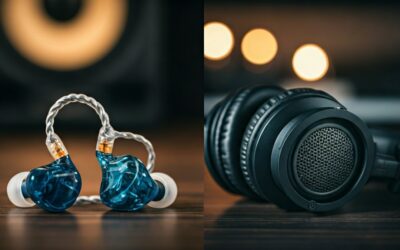

Are Headphone Stands Bad? The Short Answer
No, headphone stands are not bad for your equipment; in reality, they are often the safest storage solution for high-end audio gear. However, a poorly designed stand can cause headband indentations or ear pad compression over long periods. To protect your investment, you must choose a stand that distributes weight evenly across the headband and avoids putting pressure on the cushions.
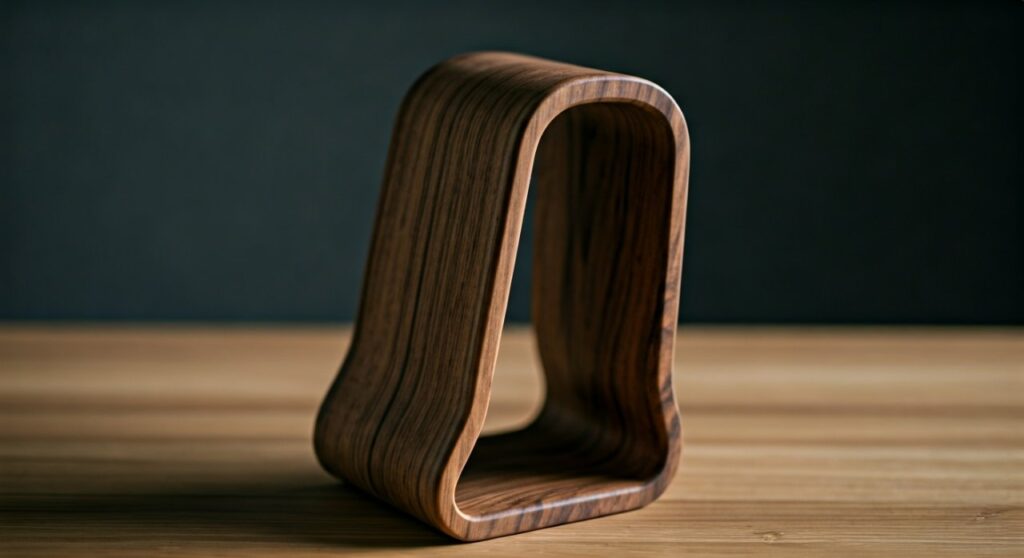
Most audiophiles prefer stands because they prevent accidental spills, cable tangles, and scratches that occur when headphones are left flat on a desk. By following a few expert placement tips, you can ensure your Sennheiser, Sony, or Bose headphones remain in mint condition for years.
Key Takeaways: TL;DR
If you are in a hurry, here are the essential facts about headphone storage:
- Weight Distribution: Stands with a wide, curved top are best to prevent headband sag.
- Pad Protection: Avoid “Omega” style stands if you have soft memory foam pads, as they can weaken the clamping force.
- Safety First: A stand is significantly better than a cluttered desk where headphones can be knocked over.
- Materials Matter: Look for silicone, wood, or padded leather contact points to avoid scuffing.
- Cable Health: Stands often include cable management, which prevents internal wire breakage.
## Why People Ask: Are Headphone Stands Bad for Your Gear?
The concern usually stems from two main issues: structural integrity and aesthetic wear. When you hang a heavy pair of planar magnetic headphones (which can weigh over 500g) on a thin metal hook, all that weight is concentrated on one small strip of the headband.
Over months of storage, this can lead to:
- Permanent Indentations: The foam or leather padding on the headband may “remember” the shape of the stand.
- Stretching: Elastic suspension straps, common in brands like SteelSeries or AKG, can lose their elasticity if kept under constant tension.
- Pad Compression: Some stands wrap around the ear cups, constantly squeezing the pads together, which ruins the acoustic seal.
Despite these risks, the alternative—leaving them on the desk—is usually worse. Dust buildup, spilled coffee, and “desk rash” (scratches on the outer ear cups) are far more common causes of headphone death than a stand.
## Are Headphone Stands Necessary for Every Setup?
While not a strict technical requirement for the headphones to function, are headphone stands necessary for a clean and professional workspace? Absolutely. From my experience managing a studio, a dedicated spot for your gear reduces “friction” in your workflow.
The Benefits of Using a Stand
- Longevity: Keeps the drivers away from dust and debris on the table surface.
- Organization: Clears up desk “real estate,” allowing more room for your mouse and keyboard.
- Display: High-end headphones like Focal or Audeze are pieces of art; a stand showcases them.
- Cable Management: Prevents the 3.5mm or XLR cable from being stepped on or caught in chair wheels.
## Comparing Storage Options: Is a Stand Better Than a Case?
| Storage Method | Pros | Cons | Best For |
|---|---|---|---|
| Headphone Stand | Easy access, displays gear, prevents scratches. | Can indent headband if too narrow. | Daily drivers, Home office. |
| Under-Desk Hanger | Saves space, hidden from view. | Harder to reach, potential for knee-knocks. | Minimalist setups. |
| Hard Shell Case | Total protection from dust and moisture. | Inconvenient for daily use, takes up space. | Travel, Rare/Vintage gear. |
| Flat on Desk | Zero cost, immediate access. | High risk of spills, dust, and “desk rash.” | Cheap, disposable headsets. |
## How to Choose a Stand That Won’t Damage Your Headphones
To ensure your storage solution isn’t doing more harm than good, follow this step-by-step evaluation guide.
Step 1: Check the Top Plate Width
The most critical part of a stand is the area that touches the headband. If the stand is a thin “T-shape” metal rod, it will likely leave a mark. Look for a curved “saddle” design that mimics the shape of a human head. This distributes the grams-per-square-inch across a larger surface area.
Step 2: Evaluate the Material
Hard plastic or sharp metal edges are the enemies of protein leather and Alcantara. I recommend stands made from walnut wood, polished aluminum, or those featuring a silicone grip. These materials provide enough friction to prevent the headphones from sliding without being abrasive.
Step 3: Consider the Height
Many budget stands are too short for professional headphones. If your XLR cable or coiled cable is forced to bend at a 90-degree angle against the desk while on the stand, you will eventually cause a short in the wire. Ensure the stand is tall enough so the cables hang freely.
## Expert Insight: Are Headphone Stands Worth It for High-End Gear?
In the world of high-fidelity audio, are headphone stands worth it? The answer is a resounding yes. If you’ve spent $1,000 on a pair of Sennheiser HD800S, spending $50 on a high-quality stand is a logical insurance policy.
I have seen leather headbands on vintage headphones crack because they were left in a drawer where humidity fluctuated. A stand allows for airflow, which keeps the materials dry and prevents the growth of mold or “ear pad rot” caused by sweat and skin oils trapped in the fabric.
## Step-by-Step: How to Safely Use a Headphone Stand
- Clean the Pads: Before hanging, wipe the ear pads with a dry microfiber cloth to remove skin oils.
- Center the Headband: Place the headphones so the weight is perfectly balanced. Do not let them tilt to one side.
- Adjust the Cable: Loop the cable loosely around the base or use the built-in cable hook. Never pull it tight.
- Check for Compression: Ensure the ear pads are not touching the vertical pole of the stand. If they are, they will lose their “memory” shape.
- Placement: Keep the stand away from direct sunlight, which can fade the colors and dry out the leather over time.
## Common Myths About Headphone Storage
Myth 1: Omega Stands are the Best
“Omega” stands (shaped like the Greek letter Ω) are visually stunning but often bad for headphones. Because they mimic a human head, they apply constant clamping force to the ear pads. Over time, this flattens the foam, requiring you to replace the pads much sooner than expected.
Myth 2: Hanging by the Elastic Strap is Fine
If your headphones have a “suspension” headband (like the AKG K701), never hang them by the elastic strap. Always hang them by the outer metal or plastic frame. Hanging by the strap will cause it to lose its tension, making the headphones sit too low on your ears.
## Final Verdict: Should You Buy One?
If you care about the longevity of your audio equipment, a headphone stand is a mandatory accessory. It transitions your gear from “clutter” to a “curated setup.” Just avoid designs with sharp edges or those that compress your ear pads. For most users, a wide-top wooden stand or a padded under-desk hook provides the best balance of safety and aesthetics.
## Frequently Asked Questions (FAQs)
Can a headphone stand ruin my Sennheiser headband?
It can if the stand is very narrow and the headphones are heavy. To prevent this, look for a stand with a cradled top or a contoured surface that matches the arc of the Sennheiser headband.
Do headphone stands stretch out the clamping force?
Only “Omega-style” stands that fit inside the ear cups tend to stretch the clamping force. Standard vertical hangers do not affect the tension of the headband at all.
Is it better to hang headphones or lay them flat?
Hanging is generally better because it allows for ventilation and prevents the ear cups from rubbing against a flat surface, which can cause scratches or “paint chips” on the exterior of the headphones.
How do I stop my stand from tipping over?
Look for a stand with a weighted base or a non-slip rubber bottom. High-quality stands often use tempered glass or solid steel bases to ensure stability for heavier audiophile gear.