
Are Headphones a Business Expense? The Definitive Guide
In today’s world of remote work, endless Zoom meetings, and bustling co-working spaces, a high-quality pair of headphones isn’t just a luxury; it is a vital tool for productivity. If you find yourself wondering, “Are headphones a business expense?” the short answer is yes, provided they are “ordinary and necessary” for your profession. Whether you are a freelance video editor, a corporate consultant, or a remote customer service rep, you can likely write off this hardware on your taxes.

However, navigating the IRS guidelines or local tax laws requires a clear understanding of “business use percentage” and proper documentation. This guide provides a step-by-step roadmap to help you legally maximize your deductions while staying audit-proof.
Key Takeaways (TL;DR)
- Tax Deductibility: Headphones are fully or partially deductible if used for business purposes.
- IRS Criteria: They must be Ordinary (common in your industry) and Necessary (helpful for your work).
- Documentation: You must keep digital receipts and logs if the device is used for both work and personal life.
- Deduction Methods: Most small business owners use the De Minimis Safe Harbor or Section 179 for immediate write-offs.
- Employee Rules: W-2 employees generally cannot deduct these expenses under current federal law (post-TCJA), but can seek employer reimbursement.
What Makes Headphones a Valid Business Expense?
To qualify as a business expense, the Internal Revenue Service (IRS) requires that the purchase meets two specific criteria: it must be both ordinary and necessary.
An ordinary expense is one that is common and accepted in your trade or business. For example, a podcaster buying a professional headset is standard practice. A necessary expense is one that is helpful and appropriate for your trade. You don’t have to prove that you couldn’t work without them, but you must show they benefit your business operations.
Understanding Business Use Percentage
The most critical factor in determining if are headphones a business expense is the ratio of work use versus personal use. If you buy a pair of Bose QuietComfort Ultra headphones and use them 100% for client calls, the entire cost is deductible.
If you use them 50% for work and 50% for listening to music while working out, you can only deduct 50% of the cost. I always recommend keeping a simple log for the first month of ownership to establish a “standard use pattern” in case of an audit.
Step-by-Step Guide: How to Properly Deduct Headphones
Follow these steps to ensure your purchase is filed correctly and stands up to scrutiny from tax authorities.
Step 1: Verify Your Employment Status
Your ability to claim this deduction depends heavily on how you earn your income:
- Self-Employed/Freelancers: You can deduct the cost on Schedule C (Form 1040).
- Small Business Owners (LLC/S-Corp): The business can purchase the headphones directly as a company asset.
- W-2 Employees: Since the Tax Cuts and Jobs Act of 2017, employees can no longer deduct unreimbursed business expenses on federal returns. Your best path is to request a tax-free reimbursement from your employer.
Step 2: Choose the Right Category of Headphones
Not all headphones are viewed equally by the IRS. You should select a model that aligns with your professional needs to avoid “extravagant expense” red flags.
- Communication Headsets: Essential for sales, support, and consulting.
- Noise-Canceling Headphones: Critical for focus in “open office” environments or during business travel.
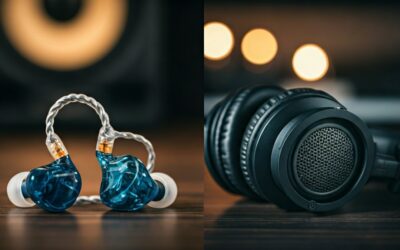
- Studio Monitors: Necessary for audio engineers, video editors, and musicians.
Step 3: Maintain Meticulous Documentation
“I lost the receipt” is not a valid defense during an audit. As an expert who has navigated several tax seasons, I recommend using apps like Expensify or QuickBooks Online to scan receipts immediately.
- Save the invoice: Ensure it shows the date, vendor, and amount.
- Note the business purpose: Write “Headphones for client video conferencing” directly on the digital file.
- Proof of Payment: Use a business credit card to create a clear paper trail separate from personal spending.
Step 4: Apply the Correct Tax Election
When filing, you typically have two ways to handle the cost of equipment like headphones:
- De Minimis Safe Harbor: This allows you to deduct the full cost of “low-value” items (usually under $2,500) in the year of purchase rather than depreciating them over time.
- Section 179 Deduction: This is used for more expensive equipment, allowing you to deduct the full purchase price in the current tax year.
Comparing Business vs. Personal Use Scenarios
| Scenario | Deductibility | Reason |
|---|---|---|
| 100% Remote Work Calls | 100% Deductible | Purely for business communication. |
| Audio Engineering/Editing | 100% Deductible | Primary tool of the trade. |
| Shared Use (Work/Gym) | Partial (Pro-rated) | Must split based on hours used for work. |
| Commuting Entertainment | Non-Deductible | Commuting is considered personal by the IRS. |
| Office Gift for Employee | 100% Deductible | Classified as a fringe benefit or office supply. |
Expert Insights: Why Quality Matters for Your Tax Strategy
From my experience, many small business owners hesitate to buy high-end gear like the Apple AirPods Max or Sony WH-1000XM5, fearing the IRS will find them “too expensive.” However, if your work involves 6 hours of daily calls, a $500 pair of noise-canceling headphones is a justifiable productivity tool.
The Information Gain here is simple: The IRS does not mandate that you buy the cheapest option. They only require that the equipment is appropriate for the task. High-fidelity audio is a “necessary” requirement for a voice-over artist, even if it costs significantly more than a standard office headset.
Common Deductible Scenarios
- Travel for Business: If you work while flying, noise-canceling technology is a legitimate business necessity.
- Education: If you are taking a professional certification course that requires audio/video lessons.
- Content Creation: If you record videos for YouTube, TikTok, or LinkedIn to market your business.
Potential Pitfalls and IRS Red Flags
While answering “are headphones a business expense” with a “yes” is common, there are traps to avoid:
- Dual-Purpose Traps: If you buy “gaming headphones” with RGB lighting for a law practice, the IRS may question the “ordinary” nature of the purchase. Stick to professional-looking gear if possible.
- The “Commute” Rule: You cannot deduct headphones purchased specifically for your commute to a regular office, as the IRS views commuting as a personal expense.
- Excessive Upgrades: Buying a new $300 pair of headphones every three months might look like “disguised personal spending” rather than a legitimate business need.
Frequently Asked Questions (FAQs)
Can I deduct headphones if I work in a noisy office?
Yes. If your environment prevents you from performing your duties effectively, noise-canceling headphones are considered a “necessary” tool for maintaining productivity and focus.
Is there a price limit for the headphone deduction?
Under the De Minimis Safe Harbor election, you can generally deduct the full cost of equipment up to $2,500 per item. Most headphones fall well below this threshold, making them eligible for a full same-year write-off.
Do I need to depreciate headphones over several years?
Generally, no. Because headphones are relatively low-cost and have a short technological lifespan, most businesses use the Section 179 or Safe Harbor rules to claim the entire expense in the year they are bought.
What if I bought the headphones with personal funds?
If you are self-employed, you can still claim the expense on your taxes as long as you have the receipt. If you are an employee, you should submit the receipt to your company for a reimbursement through an “accountable plan.”
Can I deduct headphones used for professional development?
Yes. If you use the headphones primarily to listen to industry-related webinars, podcasts, or online courses that improve your skills in your current field, they qualify as a business expense.
**
**
**
**