
Are Headphones Allowed in Check-in Baggage? The Definitive Guide
Yes, headphones are allowed in check-in baggage according to TSA and international aviation standards. You can pack wired, wireless, and noise-canceling headphones in your suitcase without legal restrictions, but safety experts strongly recommend carrying them in your hand luggage to prevent lithium battery fires, theft, or physical damage.
Key Takeaways: Packing Headphones Safely
If you are in a rush, here is the essential information regarding your audio gear and air travel:
- Legality: There are no specific prohibitions against putting headphones in checked bags.
- Battery Concerns: Most wireless headphones use lithium-ion batteries. While allowed in checked bags if they are under 100 Watt-hours, the FAA and EASA prefer them in the cabin.
- Damage Risk: Checked bags undergo significant pressure changes and rough handling. Expensive models like the Sony WH-1000XM5 or Apple AirPods Max are safer in your carry-on.
- Theft Risk: Electronics are high-value targets for luggage pilferage.
- Recommendation: Always use a hard-shell case if you must check them in.
| Headphone Type | Allowed in Checked? | Recommended? | Key Reason |
|---|---|---|---|
| Wired Headphones | Yes | Yes | No battery risk, low theft value. |
| Wireless/Bluetooth | Yes | No | Lithium battery fire risk & damage. |
| Noise-Canceling | Yes | No | High value and delicate electronics. |
| Earbuds (AirPods) | Yes | No | Easily lost or crushed in large bags. |
Understanding TSA and FAA Regulations for Headphones
When asking are headphones allowed in check-in baggage, you must distinguish between what is “permitted” and what is “safe.” The Transportation Security Administration (TSA) does not ban headphones in checked luggage. However, their primary concern is the lithium-ion battery found in almost all modern wireless devices.
The Lithium-Ion Battery Rule
Most wireless headphones contain small lithium batteries. According to FAA regulations, devices containing lithium batteries should ideally be carried in the cabin. This is because if a battery undergoes thermal runaway (catastrophic overheating) in the cargo hold, it is much harder for the crew to extinguish the fire than if it happened in the cabin.
Battery Capacity Limits
For a device to be allowed in checked baggage, the battery must typically be under 100 Watt-hours (Wh). Since most headphones have batteries between 0.5Wh and 5Wh, they fall well under this limit. However, the airline may require you to ensure the device is completely powered off to prevent accidental activation.
Why Experts Advise Against Checking Your Headphones
As someone who has traveled extensively for audio equipment reviews, I have seen firsthand what happens to “protected” gear in the cargo hold. While the answer to are headphones allowed in check-in baggage is a clear “yes,” the practical answer is often “don’t do it.”
The Risk of Physical Damage
Suitcases are often stacked under hundreds of pounds of other luggage. The structural integrity of a Bose QuietComfort or Sennheiser Momentum headset can be compromised by the shifting weight. Hinges can snap, and driver membranes can be damaged by extreme pressure changes.
Temperature Fluctuations
The cargo hold of an aircraft is pressurized but not always climate-controlled to the same degree as the cabin. Extreme cold can degrade the lifespan of your lithium-ion battery, while extreme heat on the tarmac can cause battery swelling.
Theft and Security
Electronics are among the most commonly stolen items from checked luggage. Even with a TSA-approved lock, your expensive audio gear is a “blind spot” once it leaves your sight. Keeping your AirPods Max or Beats Studio Pro in your backpack ensures they stay under your supervision.
Step-by-Step: How to Pack Headphones in Checked Luggage
If you have no choice but to pack your headphones in your checked suitcase—perhaps because your carry-on is already at the weight limit—follow these steps to maximize their survival.
Step 1: Power Down Completely
Never leave your headphones in “Standby” or “Sleep” mode. Ensure they are fully powered off to prevent them from searching for a Bluetooth signal, which can cause overheating in a confined space.
Step 2: Use a Hard-Shell Case
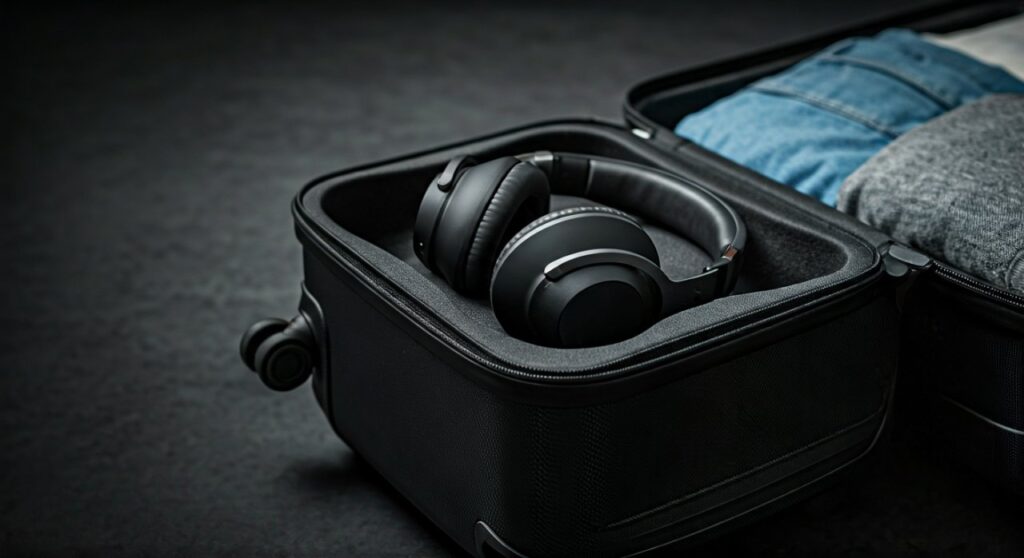
Never throw loose headphones into a suitcase. Use the original hard-shell case provided by the manufacturer. If you lost yours, brands like Geekria or LTGEM offer affordable, universal hardshell cases that provide crush resistance.
Step 3: Surround with “Soft” Protection
Place the headphone case in the geometric center of your suitcase. Surround it with soft items like:
- Rolled-up t-shirts.
- Socks.
- Sweaters.
- Bubble wrap (if available).
Avoid placing them near the edges of the suitcase where they are more vulnerable to side impacts.
Step 4: Secure the Cables
If you are packing wired headphones or charging cables, use Velcro ties to keep them neat. Loose cables can get snagged on zippers or internal suitcase components, leading to internal wire fraying.
Step 5: Consider a Desiccant Packet
Placing a small silica gel packet inside the headphone case can help absorb any moisture caused by humidity changes during the flight, protecting the sensitive internal circuitry.
Comparing Different Headphone Types for Travel
Not all headphones are created equal when it comes to the rigors of the cargo hold.
Wireless Over-Ear Headphones
These are the most vulnerable. Models like the Sony WH-1000XM4 have complex folding mechanisms that are prone to snapping under pressure. Because they contain the largest batteries, they are also the most scrutinized by security if a bag is flagged for manual inspection.
True Wireless Earbuds (TWS)
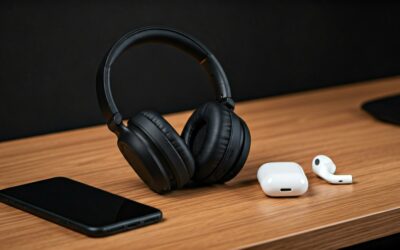
Items like Apple AirPods or Samsung Galaxy Buds are technically allowed. However, their small size makes them very easy to lose inside a large suitcase. If the charging case pops open during transit, finding a single earbud in a 25kg suitcase is nearly impossible.
Wired Earphones/IEMs
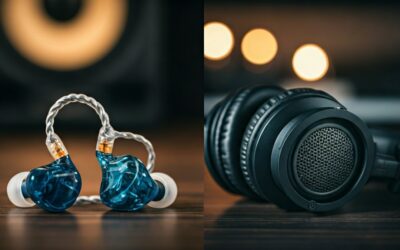
In-ear monitors (IEMs) are the safest bet for checked luggage. They have no batteries, meaning zero fire risk. They are also small enough to be tucked inside a sturdy shoe or a small pocket, providing natural protection against crushing.
Professional Advice: The “Gate Check” Trap
Many travelers are forced to “gate check” their carry-on bags at the last minute because overhead bins are full. If this happens to you, immediately remove your headphones and any other lithium-battery devices from the bag.
I always keep a small “essentials” pouch inside my carry-on. If I’m forced to gate-check my bag, I can grab that pouch—containing my Sony headphones, power bank, and passport—in seconds. This ensures my most valuable gear stays with me in the cabin.
Frequently Asked Questions (FAQs)
Can I pack headphones with a built-in microphone in checked bags?
Yes, headphones with microphones (gaming headsets or office headsets) are treated exactly like standard headphones. There are no additional restrictions, though the microphone boom should be detached or retracted to prevent it from breaking.
Do I need to declare my headphones at airport security?
No, you do not need to declare headphones or take them out of your bag for the X-ray machine in most airports (unlike laptops or tablets). However, if you have a massive amount of cabling, security may perform a secondary manual search.
What happens if my headphones cause a fire in the cargo hold?
Modern aircraft are equipped with sophisticated fire suppression systems in the cargo hold designed to handle small lithium fires. However, you could be held liable for damages or face fines if you packed a damaged or “recalled” battery device against airline policy.
Are there any airlines that strictly ban headphones in checked bags?
Currently, no major airline (Delta, United, Emirates, Qatar Airways, etc.) bans headphones. They all follow the general IATA guidelines which allow portable electronic devices (PEDs) in checked luggage, provided they are powered off.
Is it better to pack headphones in a hard suitcase or a duffel bag?
A hard-sided suitcase (polycarbonate or aluminum) is significantly better. A soft duffel bag provides zero crush protection, making it highly likely that your headphones will be damaged by the weight of other bags.