
Are Headphones Bad for Hair? The Expert Verdict
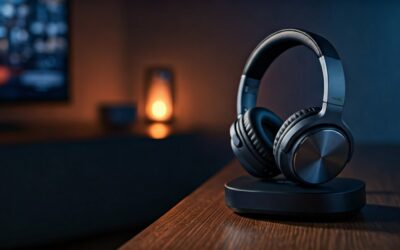
Are headphones bad for hair? The short answer is that while headphones typically do not cause permanent hair loss, they can lead to mechanical breakage, traction alopecia, and the dreaded “headphone dent” if used improperly or for excessive periods. For most users, headphones are safe, but individuals who wear heavy headsets for 8+ hours a day may experience hair thinning or scalp irritation due to constant friction and pressure.
If you are a gamer, an office worker, or an audiophile, you have likely noticed your hair looking flat or feeling brittle after a long session. This isn’t just in your head. The physical interaction between the headphone headband and your hair follicles can disrupt the hair cuticle. In extreme cases, the constant pulling (tension) can lead to Traction Alopecia, a form of hair loss caused by repetitive pulling of the hair.
Key Takeaways: TL;DR
- Primary Risks: Friction, sweat accumulation, and tension on the hair follicles.
- Headphone Dent: This is usually a temporary compression of the hair and scalp, not a permanent skull deformity.
- Traction Alopecia: A real risk for those who wear tight headsets or position bands across the hairline.
- Prevention: Use padded headbands, switch to earbuds periodically, and maintain strict headphone hygiene.
- Hair Types: Curly and fine hair are more susceptible to frictional breakage than straight, thick hair.
Understanding the Science: How Headphones Affect Your Hair
To answer if are headphones bad for hair, we must look at the three main ways they interact with your scalp: Friction, Tension, and Hygiene.
Friction occurs every time the headband moves against your hair. Over time, this wears down the cuticle (the outer protective layer of the hair shaft). When the cuticle is damaged, the hair becomes porous, leading to split ends and breakage.
Tension is the most significant concern for hair loss. If a headset is too tight or if you have a habit of pulling the band across your forehead, you are putting stress on the follicles. According to dermatological studies, sustained tension can damage the follicle’s ability to produce new hair, leading to localized thinning.
Hygiene and Sebum also play a role. Headsets trap heat and moisture. This creates a breeding ground for bacteria and can lead to seborrheic dermatitis or clogged pores on the scalp. A healthy scalp is the foundation for healthy hair; if your scalp is inflamed, your hair growth cycle may suffer.
The Step-by-Step Guide to Preventing Headphone Hair Damage
If you cannot give up your high-fidelity over-ear cans, follow this professional guide to minimize damage.
Step 1: Adjust the Clamping Force
Many professional headsets, like the Sennheiser HD 600 or Beyerdynamic DT 990 Pro, have a strong clamping force out of the box.
- The Fix: Gently stretch your headphones over a stack of books (slightly wider than your head) overnight to loosen the tension.
- The Goal: The headset should stay secure without “squeezing” your skull or pulling at your roots.
Step 2: Optimize Band Placement
Never place the headband directly on your hairline. This is the most fragile area of your scalp.
- The Fix: Position the band further back towards the crown of your head.
Pro Tip: If you have long hair, tie it in a low ponytail or bun below* where the headband sits to prevent the hair from getting caught in the hinges.
Step 3: Use Protective Materials
The material of your headband matters. Plastic and cheap faux leather can snag hair.
- The Fix: Invest in a silk or velvet headband cover.
- Benefit: These materials allow the hair to slide under the band rather than being gripped and snapped.
Step 4: Implement the “Air-Out” Rule
Professional gamers often suffer from “gamer dent” because they wear headsets for 10+ hours.
- The Fix: Follow the 60/10 rule. For every 60 minutes of use, remove the headphones for 10 minutes.
- Benefit: This allows the scalp to breathe, reduces sweat buildup, and lets the hair follicles “relax” from the pressure.
Step 5: Practice Scalp Hygiene
Sweat trapped under earcups and headbands can cause fungal issues.
- The Fix: Clean your headphone pads and headband weekly with isopropyl alcohol or specialized electronic wipes.
- Scalp Care: Use a clarifying shampoo once a week to remove the extra sebum and sweat buildup caused by headphone use.
Comparison: Which Audio Gear is Best for Hair Health?
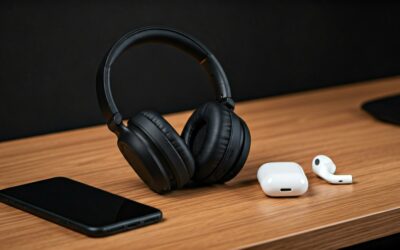
Not all audio devices are created equal when it comes to are headphones bad for your hair. Use this table to choose the right gear for your hair type.
| Device Type | Impact on Hair | Risk of Traction Alopecia | Best For |
|---|---|---|---|
| Over-Ear Headphones | Medium (Friction/Dent) | Low to Medium | Home Office / Gaming |
| On-Ear Headphones | High (Pressure) | Medium | Commuting |
| Earbuds / IEMs | Zero Impact | None | Exercise / Long Sessions |
| Neckband Speakers | Zero Impact | None | Private Home Use |
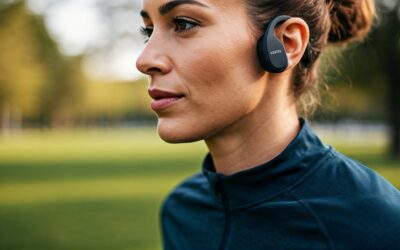
| Bone Conduction | Low (Minimal Contact) | None | Outdoor Runners |
Can Headphones Cause Permanent Balding?
The concern that are headphones bad for hair often centers on balding. In 99% of cases, headphones will not cause male or female pattern baldness (androgenic alopecia), which is genetic.
However, Traction Alopecia is a mechanical form of hair loss. If you wear a heavy headset that constantly pulls at the same spot for years, the follicle can eventually scar over. Once a follicle is scarred (cicatricial alopecia), hair will not grow back.
Signs you should see a dermatologist:
- Redness or “pimple-like” bumps around the area where the headband sits.
- Localized thinning specifically in a “band” shape across the head.
- Itching or burning sensations on the crown.
Materials Science: Choosing the Right Headphone Padding
As an expert who has tested hundreds of headsets, I have found that the interfacing material is the most overlooked factor in hair health.
- Velour/Fabric: These are the most “breathable.” They allow air to reach the scalp, reducing sweat. However, they can act like “Velcro” for curly hair, causing micro-tears.
- Protein Leather (Pleather): Very common. It is smooth, which reduces friction, but it traps heat significantly.
- Sheepskin Leather: The premium choice. It is naturally breathable and incredibly smooth, offering the best balance for hair protection.
- Silicone: Often found on workout headphones. It has a high “grip,” which is terrible for hair as it pulls on the strands every time the headset shifts.
How to Fix a “Headphone Dent” Fast
If you have a big meeting or a date after a long gaming session, follow these steps to restore your hair’s volume:
- Dampen the area: Use a spray bottle with water or a leave-in conditioner.
- Massage the scalp: Use your fingertips to “wiggle” the skin on your scalp. This increases blood flow and lifts the roots.
- Blow dry upside down: Flip your head over and use a hair dryer on a cool setting for 30 seconds to reset the hair’s “memory.”
- Dry Shampoo: Apply dry shampoo to the flattened area to add instant texture and lift.
Are Headphones Bad for Different Hair Types?
The answer to are headphones bad for your hair changes depending on your biology.
Fine or Thin Hair
Fine hair has a smaller diameter and is easily crushed. Users with fine hair will notice the “dent” much faster and are more prone to breakage from plastic headbands.
Curly and Coily Hair (Type 3 & 4)
Curly hair is naturally drier. The friction from a moving headband can strip the limited natural oils, leading to frizz and “snapping.” If you have curls, a silk scarf worn under the headphones is a game-changer.
Oily Scalps
If your scalp produces a lot of sebum, headphones will exacerbate this by “sealing” the oils against the skin. This can lead to Malassezia (dandruff) growth, which indirectly affects hair health.
Expert Tips for Professional Users
If you work in a call center or are a professional streamer, your exposure is much higher than the average person.
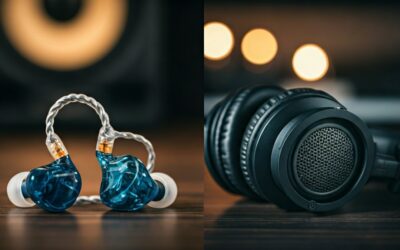
- Alternating Gear: I recommend switching between over-ear headphones and high-quality In-Ear Monitors (IEMs) every other day. This prevents “constant pressure” on any single point of the scalp.
- The “Two-Finger” Rule: You should always be able to fit two fingers easily between your headband and your head. If you can’t, the headset is too tight.
- Avoid Wet Hair: Never wear headphones with wet or damp hair. Hair is at its weakest when wet, and the friction from the headband will cause massive breakage.
Frequently Asked Questions (FAQs)
Can headphones cause a dent in my skull?
No. The “dent” people see is a compression of the soft tissue (skin and fat) and the hair itself. Your skull is one of the hardest bones in the body and cannot be reshaped by the weight of a headset. The indentation usually disappears within 1-2 hours.
Are earbuds better for my hair than headphones?
Yes, earbuds and IEMs (In-Ear Monitors) are significantly better for hair health because they have zero contact with the scalp or hair follicles. They eliminate the risks of friction, tension, and “headphone hair.”
Does wearing a hat under headphones help?
Wearing a silk or satin-lined beanie can help reduce friction. However, wearing a standard baseball cap may actually increase the pressure and heat, potentially worsening scalp irritation.
How can I tell if my hair loss is from headphones?
Look for a pattern. If the thinning or breakage occurs exactly where the headband sits—and nowhere else—it is likely mechanical damage. If the thinning is general or at the temples, it is more likely related to genetics or nutrition.
Will “headphone hair” eventually become permanent?
The flattened look is not permanent, but the damage to the hair shaft (split ends) is. You will need to trim damaged ends to prevent the split from traveling up the hair.