
Are Headphones Better Than Earbuds? The Definitive Comparison
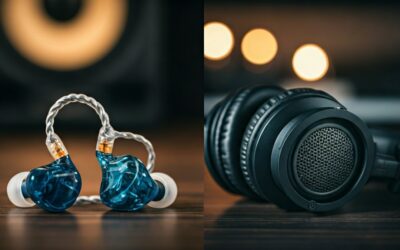
Whether headphones are better than earbuds depends entirely on your lifestyle, but for pure sound quality and ear health, headphones are objectively superior. Headphones use larger drivers to deliver a wider soundstage and sit over the ear, reducing the direct acoustic pressure on your eardrums that earbuds typically cause.
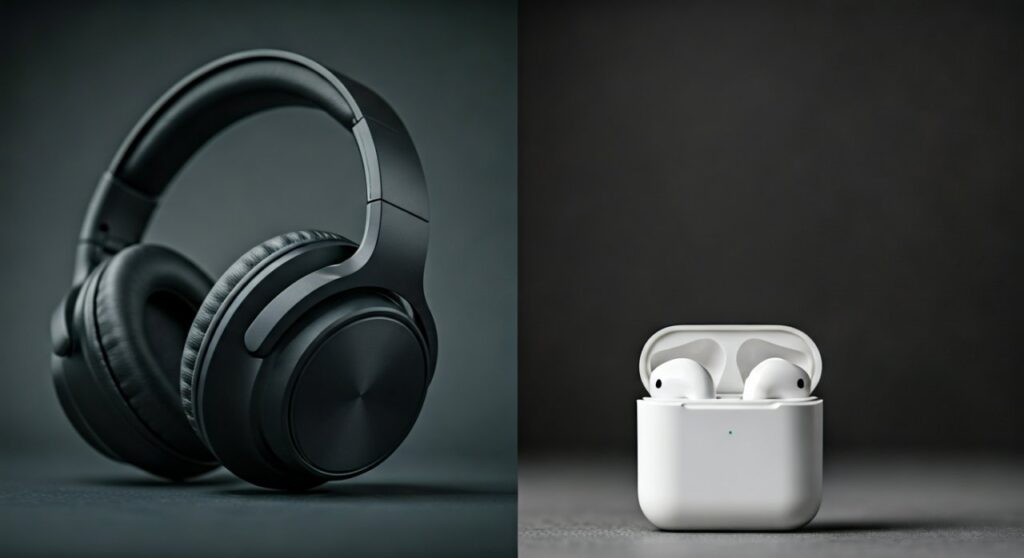
Choosing between these two audio powerhouses often feels like a trade-off between portability and performance. After testing dozens of models—from the Sony WH-1000XM5 over-ears to the Apple AirPods Pro 2—I’ve found that the “best” choice is rarely about the brand and more about the environment where you’ll spend 90% of your listening time.
Key Takeaways: Headphones vs. Earbuds
| Feature | Over-Ear Headphones | In-Ear Earbuds | Winner |
|---|---|---|---|
| Sound Quality | Rich, deep bass and wide soundstage | Precise but often “thinner” audio | Headphones |
| Portability | Bulky, requires a dedicated bag space | Pocket-sized and ultra-lightweight | Earbuds |
| Ear Health | Lower risk of infection; less direct pressure | Higher risk of wax buildup and bacteria | Headphones |
| Battery Life | 30–60 hours per charge | 5–8 hours (plus case charges) | Headphones |
| Physical Activity | Hot, bulky, and prone to falling off | Sweat-resistant and secure fit | Earbuds |
The Core Debate: Are Headphones Better Than Earbuds for Sound?
When asking which is better headphones or earbuds for audio fidelity, the laws of physics favor the headphone. Headphones house much larger drivers—the components that vibrate to create sound. While a standard earbud driver is about 8mm to 11mm, a high-quality pair of headphones features 40mm drivers or larger.
These larger drivers move more air, which is essential for producing deep, resonant bass and a “3D” soundstage. In my experience, listening to a high-fidelity track like Pink Floyd’s “Money” on headphones allows you to hear the spatial separation of instruments that earbuds simply cannot replicate.
Why Headphones Lead in Audio Performance:
- Acoustic Isolation: Over-ear cups provide a physical seal that naturally blocks out ambient noise.
- Frequency Range: Headphones can typically reach lower sub-bass frequencies without distortion.
- Imaging: The distance between the driver and your ear canal in headphones creates a more natural “open” sound, whereas earbuds can feel like the music is “trapped” inside your skull.
Health Perspective: Are Headphones Better Than Earbuds for Your Ears?
If you are concerned about long-term hearing preservation, the answer is a resounding yes. Many users ask: are headphones better than earbuds for your ears? Medical experts and audiologists generally agree that headphones are safer for several physiological reasons.
Earbuds sit directly inside the ear canal. This proximity means they deliver sound energy more intensely to the eardrum. Furthermore, because earbuds don’t always block out external noise perfectly, users tend to crank the volume to “dangerous levels” (above 85 decibels) to compensate for the hum of a bus or airplane engine.
Comparing Ear Health Impacts:
- Direct Pressure: Earbuds increase the sound pressure in the ear canal. Headphones allow for more natural air dissipation.
- Bacteria and Hygiene: Earbuds trap moisture and heat in the ear canal, creating a breeding ground for bacteria. This can lead to otitis externa (swimmer’s ear).
- Earwax Compaction: Frequent use of earbuds can push earwax deeper into the canal, leading to blockages and temporary hearing loss.
When considering which is better for ear health earphones or headphones, the “natural seal” of an over-ear model like the Bose QuietComfort Ultra allows you to listen at lower volumes while still hearing every detail, which is the single most effective way to prevent Noise-Induced Hearing Loss (NIHL).
Active Lifestyle: Which Is Better for Running, Headphones or Earbuds?
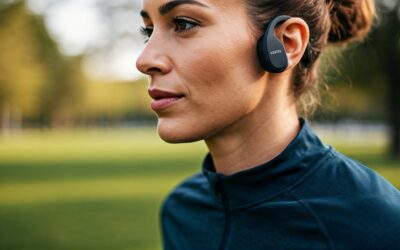
Despite the acoustic advantages of headphones, they often fail in the gym. If you’re wondering which is better for running headphones or earbuds, the answer is almost always earbuds.
During a 5K run, the weight of headphones causes them to shift, and the leather ear pads trap heat, leading to “sweaty ears.” Most high-end headphones are not IP-rated for water resistance, meaning salt from your sweat can corrode the internal electronics over time.
Why Earbuds Win for Fitness:
- Stability: Models like the Jabras Elite 8 Active use “wings” or specialized grips to stay locked in during high-intensity interval training (HIIT).
- Weight: Earbuds usually weigh less than 0.5 ounces, making them virtually unnoticeable during a long-distance run.
- Safety: Many earbuds feature “Transparency Mode” (like AirPods Pro), allowing you to hear oncoming traffic or ambient sounds while running outdoors.
Travel and Commuting: Are Headphones Better Than Airpods?
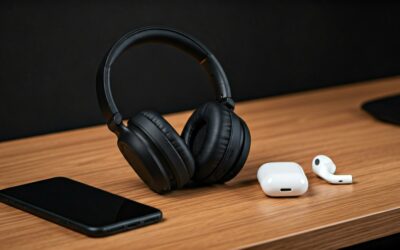
For the modern traveler, the battle is often headphones vs. Airpods. While AirPods (especially the Pro and 3rd Gen models) offer unparalleled convenience within the Apple ecosystem, they cannot match the Active Noise Cancellation (ANC) depth of flagship headphones.
If you are on a 10-hour flight, headphones are better because of their battery life. Most premium earbuds last 6 hours before needing to go back into the case. In contrast, the Sennheiser Momentum 4 offers an incredible 60 hours of playback.
Are bluetooth headphones better than earbuds for calls? Generally, yes. The larger frames of headphones allow for more microphones and better beamforming technology, which filters out background wind and chatter more effectively than the tiny stems of earbuds.
Understanding the “Worse” Factor: What Is Worse for Your Ears, Earbuds or Headphones?
To understand what is worse for your ears earbuds or headphones, we have to look at the 60/60 rule. Audiologists recommend listening at no more than 60% volume for no more than 60 minutes at a time.
Earbuds are statistically “worse” because they are easier to misuse. Because they are small, we often leave them in for hours on end, forgetting they are there. This constant occlusion (plugging) of the ear canal is what leads to the majority of hygiene-related ear issues. If you must use earbuds, I recommend cleaning the silicone tips with alcohol weekly to mitigate these risks.
Step-by-Step Guide: How to Choose the Right Device for You
If you are still torn on whether are earbuds or headphones better for your specific needs, follow this diagnostic guide:
Step 1: Analyze Your Primary Environment
- Office/Home Desk: Choose headphones. You’ll benefit from the comfort of plush cushions and superior mic quality for Zoom calls.
- Commute/Public Transit: Choose Noise-Canceling Earbuds. They are easier to stow away when you reach your destination.
- Gym/Trail: Choose Earbuds. Look for an IP55 rating or higher.
Step 2: Evaluate Your “Ear Sensitivity”
- If you have small ear canals or suffer from frequent ear infections, headphones are your only healthy option.
- If you wear glasses, look for headphones with “soft-clamp” force (like the Sony XM4) to avoid pressure against your frames.
Step 3: Check Your Tech Ecosystem
- Apple Users: AirPods or Beats offer “Magic Pairing” and spatial audio.
- Android/PC Users: You have more flexibility; Sony, Bose, and Sennheiser offer the best cross-platform apps.
Step 4: Determine Your Budget vs. Longevity
- Earbuds have a shorter lifespan because their tiny batteries degrade faster.
- Headphones often last 5–10 years if the ear pads are replaceable, making them a better long-term investment.
The Verdict: Are Headphones Better Than Earbuds?
In the final analysis, headphones are better than earbuds for the serious listener and the health-conscious user. They provide a safer, more immersive, and more durable audio experience.
However, earbuds are not “bad”—they are specialized tools for mobility. I personally use over-ear headphones for focused work and long flights, but I never leave the house for a workout without my wireless earbuds.
The “better” device is the one that fits your immediate task without causing discomfort or hearing damage.
Frequently Asked Questions (FAQs)
Are headphones better than earbuds for sleeping?
Earbuds (specifically designed sleep buds) are usually better for sleeping as they allow you to lie on your side. However, wearing anything in your ears overnight increases the risk of earwax buildup. For back-sleepers, thin “headband” style headphones are the safest and most comfortable option.
Are airpods or headphones better for your ears?
Over-ear headphones are better for your ears than AirPods. AirPods sit inside the ear and use a smaller driver that requires higher volumes to achieve the same perceived “fullness” as headphones, which can lead to faster ear fatigue and potential damage.
Which is better for gaming, headphones or earphones?
Headphones are significantly better for gaming. They offer 7.1 Surround Sound and better directional audio, which is crucial for hearing footsteps in competitive games like Valorant or Call of Duty. They also feature dedicated boom microphones for clearer team communication.
Is headphones or earbuds better for your ears in terms of pressure?
Headphones are better because they don’t create an airtight seal inside the ear canal. Earbuds create a “piston effect” where sound waves are trapped in a small space, increasing the physical pressure on the tympanic membrane (eardrum).
Which are better headphones or earphones for long study sessions?
Headphones are better for long sessions. The clamping force of a good pair of headphones is distributed around the skull, whereas earbuds can cause “inner ear soreness” after just an hour of use due to the pressure on the ear cartilage.