
Understanding If Headphones Are FSA Eligible
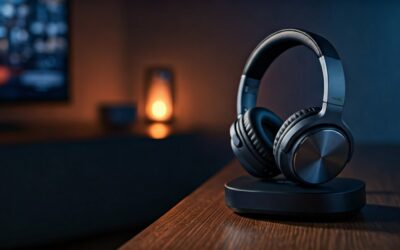
Generally, standard consumer headphones like Apple AirPods or Bose QuietComfort are not FSA eligible because they are considered “general health” or “dual-purpose” items. However, headphones specifically designed to treat a medical condition—such as FDA-approved OTC hearing aids, bone conduction headphones for hearing loss, or noise-canceling sets used for Sensory Processing Disorder—can be eligible if you obtain a Letter of Medical Necessity (LMN) from a licensed healthcare provider.
Navigating the world of Flexible Spending Accounts (FSAs) often feels like walking through a legal minefield. You have these pre-tax dollars sitting in an account, and with year-end deadlines approaching, the temptation to upgrade your audio gear is high. While the IRS is strict about what constitutes a “medical expense” under Section 213(d), there are specific legal pathways and specialized products that allow you to use your FSA or HSA funds for high-quality audio solutions.
Key Takeaways: Are Headphones FSA Eligible?
If you are looking for a quick answer, refer to this summary table based on current IRS Publication 502 guidelines and FSA Store standards.
| Category | Eligibility Status | Requirement |
|---|---|---|
| Standard Bluetooth Headphones | No | Usually rejected as “General Health” |
| OTC Hearing Aids (e.g., Sony, Jabra) | Yes | Fully eligible (No LMN usually needed) |
| Bone Conduction Headphones | Maybe | Requires Letter of Medical Necessity (LMN) |
| Noise-Canceling for ADHD/Autism | Maybe | Requires LMN for sensory regulation |
| Tinnitus Masking Devices | Yes | Eligible with proof of diagnosis |
| Sleep Headphones | No | Generally considered a personal comfort item |
The “Primary Purpose” Rule: Why Most Headphones Fail
The core reason why the answer to “are headphones fsa eligible” is usually “no” lies in the Primary Purpose Rule. According to the IRS, for an expense to be deductible (and thus FSA eligible), it must be used primarily to alleviate or prevent a physical or mental defect or illness.
Standard headphones are designed for entertainment. Even if you use them to listen to “calming music” to reduce stress, the IRS views this as a personal expense. To flip the switch to “eligible,” the device must be a specialized piece of medical equipment or be prescribed to treat a specific, documented medical diagnosis.
When “Standard” Becomes “Medical”
I have seen cases where individuals with Hyperacusis (extreme sound sensitivity) successfully used FSA funds for high-end Bose or Sony noise-canceling headphones. The secret was not the product itself, but the documentation. Their audiologist provided a detailed Letter of Medical Necessity stating that the noise-canceling feature was a vital prosthetic for their daily functioning in public spaces.
Step-by-Step Guide: How to Get Headphones Covered by Your FSA
If you have a legitimate medical need, follow these exact steps to ensure your claim isn’t denied by your FSA administrator (like Wageworks, Optum, or TASC).
Step 1: Consult a Medical Professional
You cannot self-diagnose and expect a refund. You must visit an audiologist, psychiatrist, or primary care physician. Discuss how specific audio technology will treat your condition (e.g., Tinnitus, Hearing Loss, or Sensory Processing Disorder).
Step 2: Obtain a Letter of Medical Necessity (LMN)
This is the “golden ticket” of the FSA world. An LMN must include:
- The specific diagnosis being treated.
- The specific “treatment” (e.g., “Active Noise Canceling Headphones”).
- The duration of the treatment.
- A statement that the item is not for general health but is necessary for the patient’s medical care.
Step 3: Purchase via an Approved Merchant
Whenever possible, buy your headphones from the FSA Store or HSA Store. These retailers curate products that are pre-vetted. If you buy from Amazon or Best Buy, you will need to pay out-of-pocket and submit a manual claim for reimbursement.
Step 4: Submit the Claim with Detailed Documentation
When you submit your claim, don’t just send the receipt. Attach the LMN and a copy of the product description highlighting the medical features (like Decibel Limitation or Bone Conduction technology).
Specialized Audio Devices That Are Automatically Eligible
In late 2022, the FDA established a new category of Over-the-Counter (OTC) Hearing Aids. This changed the game for FSA eligibility. These devices look like high-end earbuds but are legally classified as medical devices.
OTC Hearing Aids (No LMN Required)
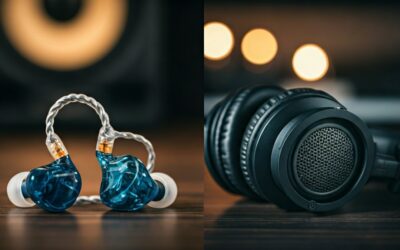
Brands like Sony, Jabra Enhance, and Lexie offer earbuds that provide high-fidelity music streaming while doubling as medical-grade hearing enhancers. Because they are FDA-regulated, they are almost always FSA eligible without a doctor’s note.
Tinnitus Maskers
If you suffer from “ringing in the ears,” certain headphones are designed specifically to play masking frequencies. If the product packaging explicitly states it is a Tinnitus Management Device, it is a much easier “sell” to your FSA administrator.
Bone Conduction Headphones (e.g., Shokz)
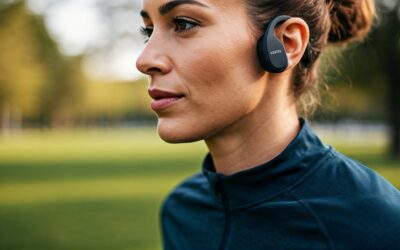
Bone conduction technology bypasses the eardrum, sending vibrations directly to the cochlea. These are frequently used by individuals with certain types of hearing loss or those who cannot wear traditional in-ear buds due to chronic infections. While often requiring an LMN, they are a common FSA approval.
Common Pitfalls: Why Your FSA Claim Might Be Rejected
Even if you follow the rules, FSA administrators are notoriously picky. Here are the most common reasons claims for headphones are denied:
- Vague Receipts: A receipt that just says “Electronic Device” will be rejected. Ensure the receipt lists the brand and model (e.g., Sony WH-1000XM5).
- Dual-Purpose Issues: If the administrator decides the headphones are being used “mostly for music,” they may deny the claim. This is why focusing on the medical feature (noise cancellation for sensory relief) in your paperwork is critical.
- “General Wellbeing” Language: Avoid using terms like “stress relief” or “relaxation.” Use clinical terms like “Sensory Regulation” or “Auditory Processing Management.”
Comparing FSA-Eligible Audio Options
| Product Type | Top Recommendation | Best Use Case | Approx. Cost |
|---|---|---|---|
| OTC Hearing Aid | Sony CRE-E10 | Mild to moderate hearing loss | $1,000 – $1,300 |
| Medical ANC | Bose QuietComfort Ultra | Sensory Processing / ADHD | $350 – $430 |
| Bone Conduction | Shokz OpenRun Pro | Conductive hearing loss | $150 – $180 |
| Child Sensory | PuroSound Labs BT2200 | Autism / Noise sensitivity | $100 – $120 |
Expert Perspective: The Future of Audio and Health Spending
As the line between “consumer electronics” and “medical devices” blurs, we expect more headphones to become FSA eligible. We are seeing a “hearable” revolution where Apple is adding hearing aid features to AirPods Pro 2.
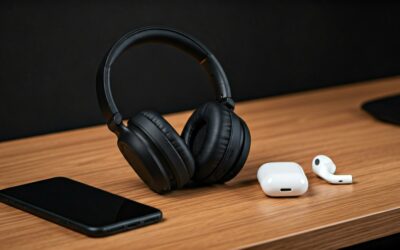
However, currently, Apple AirPods are still generally classified as consumer electronics by FSA administrators unless they are specifically purchased through a medical provider as part of a hearing health package. Always check your specific plan documents, as some employers have “limited-purpose FSAs” that are even more restrictive.
Frequently Asked Questions (FAQs)
Can I use my FSA card to buy AirPods at the Apple Store?
No, most FSA debit cards will be declined at the Apple Store because Apple is not classified as a medical merchant. You would need to pay with a personal card and submit a reimbursement claim along with a Letter of Medical Necessity.
Are noise-canceling headphones FSA eligible for ADHD?
Yes, but only with a Letter of Medical Necessity. The doctor must state that the headphones are required to help the individual focus or manage sensory overload associated with ADHD or Autism Spectrum Disorder.
Does an HSA have different rules for headphones than an FSA?
The IRS rules for what constitutes a “medical expense” are the same for both HSA and FSA. However, HSA funds do not expire, so there is often less “desperation” to spend the money, leading to fewer audit triggers.
Are “Sleep Headphones” (headbands) eligible?
Typically, no. The IRS considers sleep quality to be a “general health” issue rather than a specific medical condition, unless you are treating diagnosed insomnia or sleep apnea under a doctor’s strict supervision.
What happens if my FSA claim is denied?
You have the right to appeal. You can submit a secondary letter from your doctor or provide more technical specifications of the device to prove its medical utility. If it is still denied, you must pay for the item with non-FSA funds.