
If you are struggling with a constant ringing, buzzing, or whistling in your ears, you have likely wondered: are headphones good for tinnitus? The short answer is yes, headphones can be an incredibly effective tool for managing tinnitus symptoms through sound masking and sound therapy, provided you use them at safe volume levels. However, improper use—such as high volumes or poor fit—can potentially worsen the condition or lead to further hearing damage.
Key Takeaways: Managing Tinnitus with Headphones
For those looking for a quick summary of how headphones interact with tinnitus, here are the essential facts:
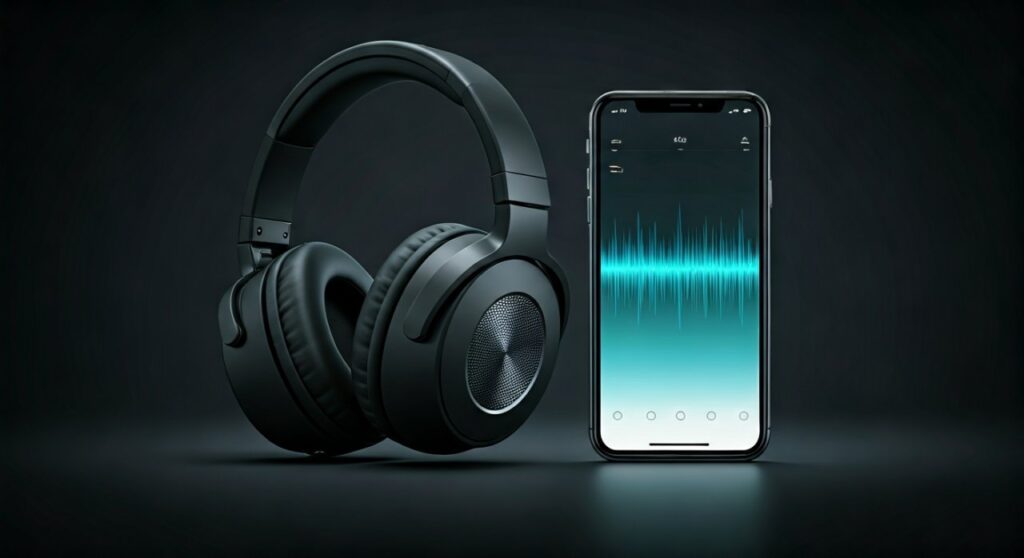
- Sound Masking: Headphones allow you to play white noise, nature sounds, or pink noise that distracts the brain from the internal ringing.
- Volume Control is Vital: Never exceed 60% of the maximum volume to avoid Noise-Induced Hearing Loss (NIHL).
- The 60/60 Rule: Listen for no more than 60 minutes at a time at 60% volume.
- Headphone Type Matters: Bone conduction and open-back headphones are often preferred by tinnitus sufferers as they don’t create a “plugged” sensation.
- Avoid Total Silence: For some, Active Noise Canceling (ANC) can make tinnitus feel louder because it removes the external ambient sounds that naturally mask the ringing.
Understanding the Relationship: Are Headphones Good for Tinnitus?
As someone who has consulted with audiologists and tested various audio setups for sound therapy, I have found that headphones are a double-edged sword. When used as part of a Tinnitus Retraining Therapy (TRT) program, they are a godsend. They provide a portable way to create a “sound rich” environment, which helps the brain habituate to the phantom noises.
The goal isn’t necessarily to drown out the tinnitus entirely. Instead, the goal is to provide a “background” sound that makes the tinnitus less noticeable. This reduces the emotional stress and anxiety often associated with the condition. If you find that the silence of a bedroom or office makes your ears ring louder, a high-quality pair of headphones can provide immediate relief.
How to Use Headphones Safely for Tinnitus (Step-by-Step Guide)
Using headphones for tinnitus relief requires a strategic approach. If you simply put on headphones and crank up the music to “drown out” the ringing, you risk permanent damage. Follow these expert-verified steps:
Step 1: Choose the Right Sound Profile
Don’t just play loud music. Use dedicated Tinnitus Relief Apps (like ReSound Tinnitus Relief or Beltone Tinnitus Calmer). These apps allow you to layer sounds like rain, wind, or low-frequency static.
Step 2: Calibrate the Volume
Set the volume of your masking sound so that it is slightly below the level of your tinnitus. This is called partial masking. It allows your brain to hear both sounds, which is necessary for the brain to eventually learn to ignore the tinnitus signal.
Step 3: Select the Appropriate Headphone Type
Refer to the table below to see which style fits your lifestyle and tinnitus severity.
| Headphone Type | Pros for Tinnitus | Cons for Tinnitus |
|---|---|---|
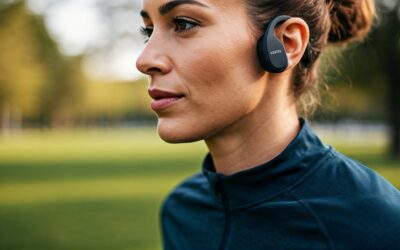
| Bone Conduction | Leaves ear canal open; avoids “occlusion effect.” | Lower sound quality; lacks deep bass. |
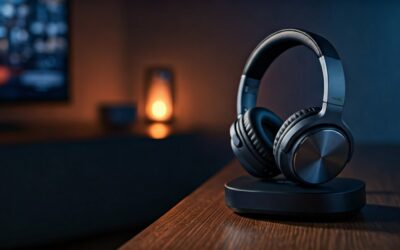
| Open-Back Over-Ear | Natural soundstage; prevents pressure buildup. | Sound leaks out; no isolation from outside noise. |
| Active Noise Canceling | Great for loud environments (planes/trains). | Can make tinnitus feel “louder” in quiet rooms. |
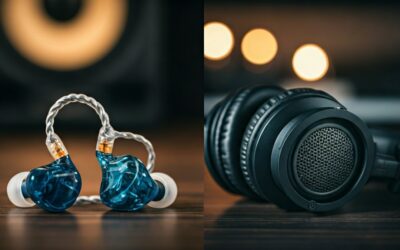
| In-Ear Monitors (IEMs) | Portability; high detail for therapy sounds. | Can trap moisture; creates a “plugged-in” feeling. |
Step 4: Implement Listening Breaks
Tinnitus is often linked to auditory fatigue. Even at low volumes, give your ears a 10-minute break every hour. This prevents the hair cells in your cochlea from becoming overstressed.
Step 5: Monitor for “Spikes”
If you notice that your tinnitus is louder after taking your headphones off, your volume was too high or the frequency of your masking sound was too aggressive. Adjust accordingly for your next session.
Why Bone Conduction Headphones are a Game Changer
In my experience, Bone Conduction Headphones (like those from Shokz) are often the best answer to “are headphones good for tinnitus.” Unlike traditional headphones, these sit on your cheekbones and send vibrations directly to the inner ear.
Because they leave the ear canal completely open, you still hear the natural ambient sounds of the room. This prevents the occlusion effect, where your own internal noises (like breathing, heartbeat, or tinnitus) sound amplified because your ears are plugged. This “open-ear” approach is significantly more comfortable for long-term sound therapy sessions during the workday.
The Risks: When Headphones Make Tinnitus Worse
We cannot ignore the risks. High-intensity sound is the leading cause of tinnitus. If you are using headphones to escape your tinnitus, you might subconsciously raise the volume to dangerous levels.
- Sound Pressure: Closed-back headphones trap air and create pressure on the eardrum. For some, this pressure can trigger a tinnitus “spike.”
- Hyperacusis: Many people with tinnitus also suffer from Hyperacusis (sensitivity to normal sounds). For these individuals, headphones can feel physically painful if not calibrated correctly.
- The “Silence” Trap: Active Noise Canceling (ANC) technology uses “anti-noise” to cancel out external sounds. While great for travel, the resulting artificial silence can cause the brain to “turn up the gain” on internal signals, making tinnitus feel much more intense.
Practical Advice for Daily Management
If you plan to use headphones daily, consider these “pro tips” from the field of audiology:
- Use a Decibel Meter App: Use an external device or a built-in feature on your smartphone (like the Headphone Safety feature on iOS) to ensure you stay below 85 decibels (dB).
- Focus on Mid-Range Frequencies: Tinnitus is often high-pitched. Masking sounds that are “warmer” (like Brown Noise or Pink Noise) are generally more soothing than sharp White Noise.
- Nighttime Use: If you use headphones to sleep, invest in Sleep Headphones (soft headbands with flat speakers). They are much safer and more comfortable than wearing earbuds for 8 hours.
Expert Perspectives on Tinnitus and Audio Gear
Clinical audiologists often suggest that headphones should be a secondary tool. The primary tool should always be a professional hearing evaluation. If your tinnitus is accompanied by hearing loss, a hearing aid with a built-in sound generator is significantly more effective than consumer headphones. These medical devices are programmed specifically to your “audiogram” to mask only the frequencies you need.
However, for those with “hidden hearing loss” or mild cases, consumer-grade headphones are a cost-effective way to regain control over their acoustic environment.
Frequently Asked Questions (FAQs)
Can noise-canceling headphones help with tinnitus?
Yes, they help by reducing the need to turn up the volume in noisy environments. However, in quiet settings, the noise-canceling effect may make your tinnitus seem more prominent. Use them primarily in loud areas like airplanes or busy offices.
Is it better to use speakers or headphones for tinnitus masking?
Generally, speakers are better for long-term habituation because they provide a more natural, “externalized” sound. Headphones are better for portable relief or when you need to avoid disturbing others.
Can wearing headphones for too long cause tinnitus?
Yes, if the volume is high. Excessive use of headphones at high volumes leads to the destruction of hair cells in the inner ear, which is a primary cause of permanent tinnitus. Always follow the 60/60 rule.
Which headphones are best for someone with tinnitus and sensitive ears?
Open-back headphones or bone conduction headphones are the best choices. They minimize ear canal pressure and allow for a more natural listening experience that reduces the “closed-in” feeling that often exacerbates tinnitus.
Should I stop using headphones if I have tinnitus?
You do not need to stop using them, but you must change how you use them. Focus on low-volume sound therapy rather than high-volume music consumption. If you experience a “spike” in ringing after use, consult an audiologist immediately.