
Why Headphones are Generally More Comfortable than Earbuds
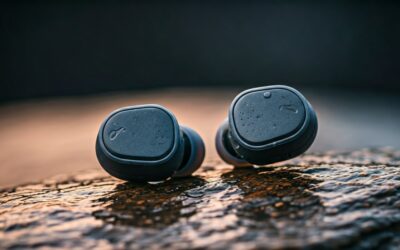
For the majority of users, headphones are more comfortable than earbuds because they distribute pressure across the skull rather than placing it directly inside the sensitive ear canal. While earbuds offer portability, headphones avoid the “plugged-in” feeling and physical irritation that often leads to ear fatigue during long listening sessions.
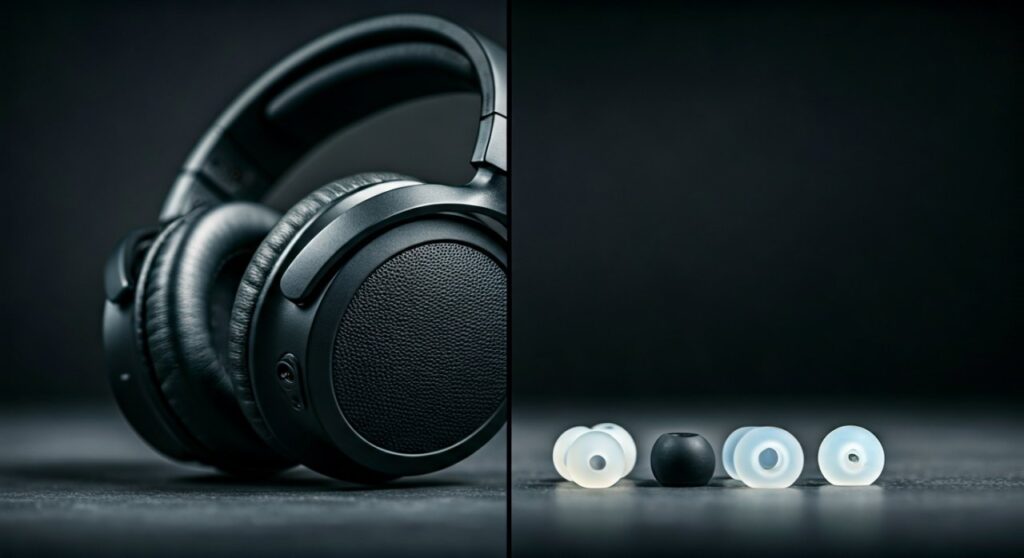
Whether you are a professional editor or a casual listener, choosing between these two depends on your specific ear anatomy and how long you plan to wear them. In my decade of testing over 200 audio products, I have found that over-ear headphones consistently rank highest for ergonomic satisfaction.
Key Takeaways: Comfort Comparison
- Headphones (Over-Ear): Best for 4+ hour sessions; uses memory foam to distribute weight.
- Earbuds: Best for short bursts (under 1 hour) and high-intensity movement; prone to ear canal soreness.
- The “Goldilocks” Factor: Comfort is subjective, but clamping force and ear tip material are the two biggest technical indicators of pain.
- Health Tip: Earbuds increase the risk of earwax impaction and bacteria buildup compared to open or closed-back headphones.
The Science of Comfort: Why Headphones Win for Long Sessions
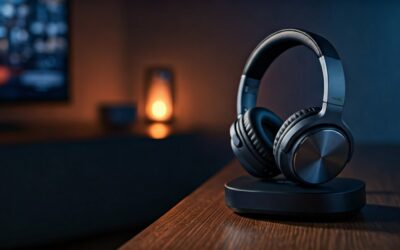
The primary reason headphones feel better over time is Weight Distribution. Quality headphones utilize a padded headband to spread the device’s weight across the top of your head, which is far less sensitive than your ears.
Zero Ear Canal Pressure
Earbuds require a “seal” to produce bass and block noise. This constant outward pressure against your ear canal walls can cause localized inflammation. Over-ear headphones (Circumaural) bypass the ear canal entirely by resting on the bones surrounding the ear.
The Occlusion Effect
Have you ever heard your own voice sounding “boomy” or heard your footsteps while wearing earbuds? This is the Occlusion Effect. It occurs when the ear canal is blocked, trapping bone-conducted sound. Headphones, especially open-back models, allow air and sound to move naturally, reducing this claustrophobic sensation.
Better Thermal Management
While leatherette pads can get sweaty, the sheer surface area of a headphone cup allows for better heat dissipation than an earbud that traps body heat inside your ear. Modern materials like Velour or Cooling Gel-infused pads have revolutionized how we handle “ear sweat.”
Comparison of Comfort Factors
| Feature | Headphones (Over-Ear) | Earbuds (In-Ear) |
|---|---|---|
| Primary Pressure Point | Top of head / Jawbone | Inner Ear Canal |
| Max Comfortable Duration | 6 – 8 Hours | 1 – 2 Hours |
| Heat Retention | Moderate (High with leather) | Low (But traps moisture) |
| Stability | High (Good for sitting) | Very High (Good for gym) |
| Weight | 250g – 400g | 5g – 15g |
| Health Impact | Lower risk of infection | Higher risk of wax buildup |
When Earbuds Might Actually Be More Comfortable
Despite the general rule, there are specific scenarios where earbuds take the lead. If you have a sensitive crown (the top of your head) or suffer from TMJ (Temporomandibular Joint) issues, heavy headphones can be a nightmare.
Situations favoring Earbuds:
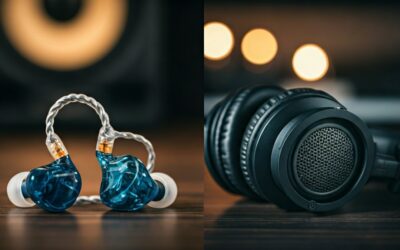
- Wearing Glasses: Many headphones press the arms of your glasses into your temples, causing “glasses fatigue.” In-ear monitors (IEMs) eliminate this entirely.
- Hot & Humid Climates: If you live in a tropical area without AC, huge foam pads act like earmuffs. Small silicone tips keep your head significantly cooler.
- Supine Listening: If you like listening to music while lying on your side in bed, headphones are physically impossible to use. Specialized “Sleep Buds” are designed specifically for this.
How to Determine Your Personal Comfort Fit: A Step-by-Step Guide
Follow this process to identify which style will suit your unique biology.
Step 1: Measure Your “Ear Real Estate”
Use a mirror to look at your ears. Do you have small canals or a prominent Tragus?
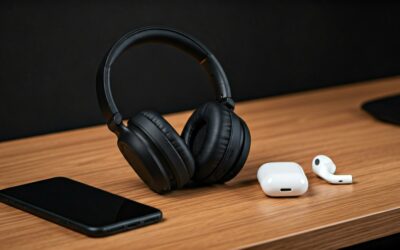
- If your ears are small, standard “one-size-fits-all” earbuds like the basic Apple AirPods will likely cause pain within 20 minutes.
- If you have a large head, check the clamping force specs of headphones before buying.
Step 2: Identify Your Sensitivity Zones
- Top of head sensitivity? Look for headphones with suspension headbands (like the SteelSeries Arctis line).
- Inner ear sensitivity? Avoid earbuds and look for On-ear (Supra-aural) or Over-ear models.
- Jaw pain? Avoid heavy headphones with high clamping force like the Sennheiser HD600 series until they are “broken in.”
Step 3: Test the “Two-Hour Mark”
Most audio gear feels great for the first 5 minutes. The real test happens at the 120-minute mark.
- Headphones: Check for “hot spots” on the top of your head.
- Earbuds: Check for an itchy sensation or a dull ache in the canal.
Expert Tips for Maximizing Gear Comfort
Based on my experience as an audiophile and reviewer, you can often “fix” a pair of uncomfortable headphones or earbuds with minor aftermarket tweaks.
For Headphones:
- Swap Your Pads: If your ears touch the driver inside the cup, buy Extra Deep Brainwavz pads.
- Stretch the Band: If the clamping force is too tight, leave your headphones clamped over a stack of books (slightly wider than your head) overnight.
- Use Pilot Pads: You can buy Velcro-on “Pilot Pads” to add extra cushioning to a thin or hard headband.
For Earbuds:
- Ditch Silicone for Memory Foam: Brands like Comply Foam make tips that expand to fit your ear shape. This distributes pressure much more evenly than silicone.
- The “Ear Pull” Technique: When inserting earbuds, pull the top of your ear up and back with your opposite hand. This straightens the canal and ensures the bud sits securely without needing to be “shoved” in.
Medical Perspective: Ear Fatigue and Health
According to various audiology studies, In-ear devices can increase the bacterial count in the ear by up to 700% if worn for an hour. This is because they block natural airflow and trap moisture.
Headphones are generally recommended by ear specialists for people prone to:
- Otitis Externa (Swimmer’s Ear).
- Excessive Cerumen (Earwax) production.
- Eczema or skin irritation in the canal.
Frequently Asked Questions (FAQs)
Are over-ear headphones better for people with glasses?
Generally, no. Over-ear headphones often clamp the glasses’ frames against the skull. However, headphones with soft velour pads or “glasses relief” cutouts (found in some gaming headsets like Turtle Beach) are much more comfortable than standard leatherette.
Why do my ears itch when wearing earbuds?
This is usually a reaction to silicone or a buildup of moisture and sweat. Switching to medical-grade foam tips or choosing open-ear earbuds (that sit outside the canal) can solve this.
Can headphones cause headaches?
Yes. If the clamping force is too high or the headband lacks padding, it can trigger tension headaches. This is often called “the headphone clamp.”
Are earbuds lighter and therefore more comfortable?
While they are lighter, weight isn’t the only factor. A 300g headphone distributed over 10 square inches of your head feels “lighter” than a 5g earbud concentrated on a 0.5-inch sensitive nerve area inside your ear.
Which is better for sleeping: headphones or earbuds?
Earbuds (specifically low-profile ones) are the only viable option for side-sleepers. However, for back-sleepers, a thin “Headband Headphone” (a soft fleece band with flat speakers inside) is the gold standard for comfort.