
Are Headphones Supposed to Hurt? The Short Answer
No, headphones are not supposed to hurt, even during extended listening sessions. If you experience aching, stinging, or pressure, it is a clear sign of a fit issue, poor build quality, or improper usage habits. High-quality headphones are designed to distribute weight evenly across your head and provide soft cushioning for your ears.
In my experience testing hundreds of audio devices—from Sennheiser audiophile cans to Sony noise-canceling headsets—pain is always a “red flag” indicating that the clamping force is too high or the earpad depth is insufficient. Ignoring this discomfort can lead to long-term issues like outer ear inflammation or even tension headaches.
Key Takeaways: Troubleshooting Headphone Pain
| Cause of Pain | Symptom | Immediate Solution |
|---|---|---|
| High Clamping Force | Pressure on temples or jaw | Stretch headphones over a box overnight |
| Thin Earpads | Ears touching the driver | Upgrade to thicker memory foam pads |
| Heavy Headband | “Hot spot” on top of the skull | Add a headband cushion or wrap |
| Poor Breathability | Sweaty, itchy, or burning ears | Switch to velour or perforated pads |
| In-Ear Friction | Sharp pain inside ear canal | Switch to comply foam tips or smaller silicone sizes |
Why Do Headphones Cause Pain? (The Science of Comfort)
Understanding why you are asking “are headphones supposed to hurt” requires looking at the anatomy of both the headphone and your head. Most discomfort stems from three physical factors: clamping force, weight distribution, and surface friction.
Excessive Clamping Force
The clamp force is the amount of inward pressure the headband exerts to keep the earcups on your head. While necessary for a good acoustic seal, excessive force compresses the temporal bone and the sensitive cartilage of the ear.
If you wear glasses, this force is magnified as it pins the temples of your glasses against your skull. This often results in a dull ache behind the ears after only 30 minutes of use.
The “Hot Spot” Phenomenon
Headphones that weigh over 350 grams often struggle with weight distribution. If the headband doesn’t have enough surface area contact with your scalp, the entire weight concentrates on one point. This creates a “hot spot”—a burning or bruising sensation on the crown of your head.
Driver Contact
Inside the earcup, there is a hard plastic surface covering the audio driver. If the earpads are too shallow or have compressed over time, your outer ear (the pinna) will press directly against this hard plastic. This causes a stinging sensation known as chondritis (inflammation of the cartilage).
Step-by-Step Guide: How to Fix Headphone Discomfort
If you find yourself wondering are headphones supposed to hurt, follow these professional steps to transform your listening experience from painful to plush.
Step 1: Stretch the Headband
Most new headphones have a “factory-tight” clamp. To loosen them:
- Find a stack of books or a speaker that is slightly wider than your head.
- Place the headphones over the object.
- Leave them for 24 to 48 hours.
- Pro Tip: Be careful with plastic headbands; only apply this method to headphones with a metal spring-steel core to avoid snapping the frame.
Step 2: Upgrade Your Earpads
Stock earpads are often the first place manufacturers cut costs. Switching to third-party brands like Dekoni Audio or Brainwavz can change your experience entirely.
- Memory Foam: Conforms to the shape of your head, distributing pressure.
- Cooling Gel: Reduces heat buildup during long gaming sessions.
- Sheepskin or Protein Leather: Provides a better seal and premium feel.
Step 3: Adjust the “Yoke” and Slide
Many users wear their headphones too low. This puts all the tension on the ears rather than the headband.
- Adjust the sliders so the headband rests lightly on your head.
- Ensure the earcups fully encompass your ears without touching the lobes.
Step 4: Use “Glass-Relief” Techniques
If you are a glasses wearer, look for earpads with relief cuts or use frames with thinner temples. You can also try tilting the earpads slightly so they don’t sit directly on the hinges of your glasses.
Different Types of Pain and What They Mean
Pain Inside the Ear Canal (IEMs and Earbuds)
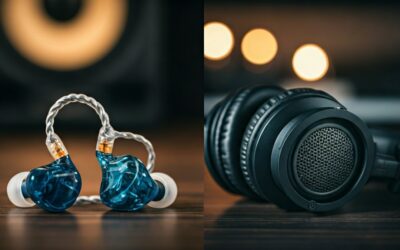
If you use In-Ear Monitors (IEMs) and feel sharp pain, the culprit is usually the ear tip size.
- Silicone tips can cause suction pain.
- Foam tips are often more comfortable but require regular replacement for hygiene.
- If the pain persists, you may have a narrow ear canal, requiring “small” or “extra-small” specialized tips.
Pain on the Ear Cartilage (On-Ear Headphones)
On-ear (supra-aural) headphones are the most common culprits for pain. Because they sit directly on the cartilage, they compress the blood vessels in the ear.
- Expert Verdict: If you have sensitive ears, avoid on-ear designs. Switch to over-ear (circumaural) models that surround the ear entirely.
Sweat and Itching
This is often a reaction to synthetic leather (Pleather). This material doesn’t breathe, trapping sweat and bacteria against your skin. This can lead to contact dermatitis. Switching to velour or fabric pads usually solves this instantly.
Medical Considerations: When to See a Doctor
While we have established that are headphones supposed to hurt is a “no,” sometimes the pain is internal.
- Tinnitus: Ringing in the ears after use indicates the volume is too high (above 85 dB).
- Otitis Externa: Also known as “swimmer’s ear,” this is an infection of the ear canal caused by trapped moisture from earbuds.
- Hyperacusis: Sensitivity to normal sounds.
If you experience fluid drainage, sharp internal stabs, or sudden hearing loss, stop using headphones immediately and consult an Audiologist.
Comparative Analysis: Comfort Ratings by Brand
| Brand | Typical Comfort Rating | Best For | Notable Feature |
|---|---|---|---|
| Bose | 10/10 | Travel/Long flights | Extremely lightweight builds |
| Sennheiser | 9/10 | Home Listening | Ergonomic “E.A.R.” technology |
| Beyerdynamic | 8.5/10 | Studio Work | Iconic plush velour pads |
| Sony (WH series) | 8/10 | Commuting | Deep earcup cavities |
| SteelSeries | 9/10 | Gaming | “Ski-goggle” suspension bands |
Expert Advice for Buying Comfortable Headphones
When shopping, don’t just look at frequency response graphs. Look at the physical specs:
- Weight: Aim for under 300g for all-day comfort.
- Clamping Force: Check reviews for mentions of “tightness.”
- Earcup Depth: Ensure there is at least 20mm of depth so your ears don’t touch the drivers.
- Headband Style: Suspension headbands (like those on Hifiman or SteelSeries) are objectively better at distributing weight than single-bar designs.
Frequently Asked Questions
How long should I be able to wear headphones without pain?
A well-fitted pair of headphones should be wearable for 3 to 4 hours without any significant discomfort. If you need to take them off every hour due to aching, the fit is incorrect.
Why do my ears feel hot when wearing headphones?
This is caused by the acoustic seal. Leather and protein leather trap body heat. To fix this, look for headphones with open-back designs or swap to breathable fabric earpads.
Can headphones dent my skull?
No, headphones cannot dent your skull. The “dent” people see in photos is usually just a temporary compression of the skin and fat layers on the scalp or a flattening of the hair. It disappears within minutes of removing the headset.
Should I choose In-Ear or Over-Ear for maximum comfort?
For most people, Over-Ear headphones are the most comfortable for long sessions because they don’t put pressure on the ear canal or the cartilage. However, for exercise, In-Ear models are often preferred for their lightweight nature.
Does “breaking in” headphones actually work?
Yes. The clamping force of the headband is provided by a metal or plastic spring. Like any spring, it loses some of its initial tension after being flexed repeatedly. Stretching them over a box is a standard industry practice to “break in” the fit.