

Are HiFiMAN Headphones Good? The Direct Answer
HiFiMAN headphones are exceptionally good, especially if you prioritize technical performance, detailed soundstages, and the unique characteristics of planar magnetic drivers. They are widely regarded as price-to-performance leaders in the audiophile world, offering high-fidelity sound that often outpaces competitors at similar price points.
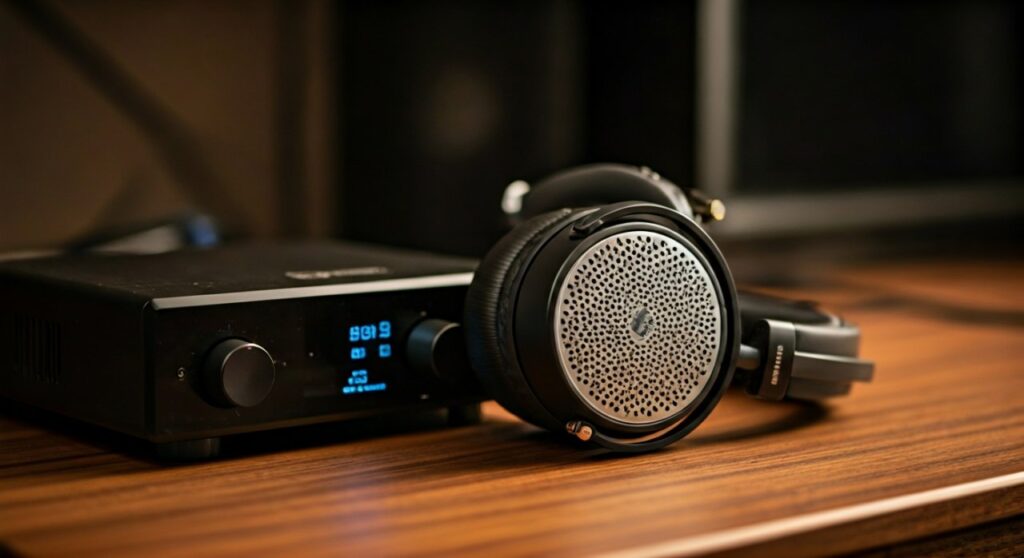
However, “good” comes with a caveat: while their acoustic engineering is top-tier, their build quality and quality control (QC) can be inconsistent. If you are looking for the best possible sound for your dollar and don’t mind a slightly more “functional” than “luxury” build, HiFiMAN is arguably the best brand on the market today.
Key Takeaways: What You Need to Know
If you are in a hurry, here is the essential breakdown of the HiFiMAN experience based on years of community feedback and expert testing:
- Sound Quality: Famous for a neutral, airy, and detailed sound signature.
- Technology: They are pioneers of Planar Magnetic technology and Stealth Magnets.
- Value King: The HiFiMAN Sundara and Edition XS are considered the best values in the $300-$500 range.
- The “HiFiMAN QC” Factor: Some users report issues with headbands or driver failures, making a good warranty essential.
- Amplification: Most models (except the high-efficiency ones) require a dedicated headphone amplifier to sound their best.
Why HiFiMAN is a Top Choice for Audiophiles
The primary reason HiFiMAN dominates audiophile discussions is their commitment to Planar Magnetic technology. Unlike traditional dynamic drivers found in Sony or Bose headphones, planar drivers use a thin film suspended in a magnetic field.
In my experience testing the HiFiMAN Arya, the speed of the driver is immediately noticeable. Notes start and stop with clinical precision, which prevents the “muddiness” often found in cheaper headphones.
The Innovation of Stealth Magnets
One of the brand’s biggest breakthroughs is the Stealth Magnet design. In standard planar designs, magnets can cause diffraction and interference as sound waves pass through them.
HiFiMAN’s stealth magnets are shaped to allow sound waves to pass through without generating interference. This results in:
- Reduced distortion.
- A more “pure” and transparent sound.
- Improved imaging (the ability to “place” instruments in a 3D space).
Comparing the Best HiFiMAN Models
To help you decide if HiFiMAN headphones are good for your specific needs, I have categorized their most popular current offerings.
| Model | Category | Best For | Sound Profile |
|---|---|---|---|
| HE400se | Entry-Level | Beginners on a budget | Neutral, Great Intro to Planar |
| Sundara | Mid-Tier | The “Gold Standard” for $300 | Balanced, Detailed, Crisp |
| Edition XS | Mid-Tier | Huge Soundstage | Wide, Immersive, Fun Bass |
| Arya Stealth | High-End | Serious Audiophiles | Analytical, Massive Detail |
| Susvara | Flagship | The “Endgame” | Perfect Tonality, Hard to Drive |
The Pros of Choosing HiFiMAN
Unmatched Clarity and Detail
If you switch from a standard consumer headphone to a HiFiMAN Sundara, you will hear things in your music you never noticed before. The texture of a cello string or the faint breath of a singer becomes audible.
Large Soundstage
Most HiFiMAN models are open-back headphones. This means they leak sound out and let air in, creating a sense that the music is happening in the room around you rather than inside your head.
Progressive Pricing
HiFiMAN has been aggressive in bringing high-end tech to lower price points. The HE400se, for example, offers a true planar experience for under $150, which was unheard of a decade ago.
The Cons: The “HiFiMAN Quality Control” Debate
You cannot ask “Are HiFiMAN headphones good?” without addressing the “QC” elephant in the room. This is the most common complaint among owners.
- Build Materials: While brands like Focal or Meze use premium metals and leathers, HiFiMAN often uses more plastics and simpler gimbal designs.
- Reliability: There have been documented cases of drivers “dying” or developing a crinkle sound.
- Quality Control: Some units may arrive with minor cosmetic flaws or slightly different tension in the headband.
Expert Advice: Always buy HiFiMAN from an authorized dealer with a solid return policy and a minimum 1-year warranty. My personal Sundara has lasted four years without issue, but buying from a reputable source provides peace of mind.
How to Choose the Right HiFiMAN Headphones (Step-by-Step)
Choosing the right pair requires more than just looking at the price tag. Follow these steps to find your perfect match.
Step 1: Determine Your Budget
- Under $200: The HE400se is your only real choice, and it’s a fantastic one.
- $300 – $500: This is the “sweet spot.” Choose the Sundara for a smaller, tighter fit, or the Edition XS if you have a larger head and want a massive soundstage.
- $1,000+: The Arya Stealth or HE1000se are for those seeking the pinnacle of detail.
Step 2: Check Your Source Equipment
Planar magnetic headphones are notoriously “hungry” for power.
- If you plan to plug directly into a laptop or phone, look for the HiFiMAN Deva-Pro (which comes with a Bluetooth/USB dongle).
- For the Sundara or Arya, you must invest in a dedicated DAC/AMP (like a Schiit Magni/Modi stack or a Topping DX3 Pro+).
Step 3: Consider Your Environment
Since most HiFiMAN headphones are open-back, they are not suitable for:
- Commuting on a bus or train.
- Working in a quiet office near others.
- Late-night listening next to a sleeping partner.
If you need isolation, look specifically at the HiFiMAN Sundara Closed-Back, though most enthusiasts agree the open-back versions sound superior.
Technical Performance: Understanding the “House Sound”
Most HiFiMAN headphones follow a specific frequency response curve known as the “HiFiMAN House Sound.”
- Bass: It is usually linear and extends very deep. It doesn’t “thump” like a subwoofer, but it is incredibly fast and textured.
- Mids: Generally very neutral. Vocals feel natural and are not recessed or pushed too far forward.
- Treble: This is where HiFiMAN shines. There is a slight “sparkle” in the high frequencies that provides air and clarity. Some people who are sensitive to treble might find them slightly “bright.”
HiFiMAN vs. The Competition
HiFiMAN vs. Sennheiser
Sennheiser (e.g., HD600, HD650) is known for “intimate” vocals and indestructible build quality. However, they lack the sub-bass extension and the wide soundstage of HiFiMAN. If you want a “natural” sound, go Sennheiser. If you want “exciting and detailed,” go HiFiMAN.
HiFiMAN vs. Audeze
Audeze is the other giant in planar magnetics. Audeze headphones are typically heavier and have a darker, warmer sound. HiFiMAN headphones are generally lighter and more comfortable for long sessions, with a brighter sound signature.
Frequently Asked Questions
Do HiFiMAN headphones last long?
With proper care, they can last many years. However, because they use thin diaphragms and complex magnetic structures, they are more fragile than dynamic headphones. Avoid dropping them or exposing them to high humidity.
Why are HiFiMAN headphones so expensive?
The cost comes from the R&D of planar magnetic drivers and the use of specialized materials like nanometer-thickness diaphragms. While the “luxury” feel might be lower than some brands, the “acoustic value” is usually higher.
Are HiFiMAN headphones good for gaming?
Yes, they are incredible for gaming! The wide soundstage and precise imaging of models like the Edition XS or Ananda allow you to hear exactly where footsteps or gunfire are coming from in FPS games like Apex Legends or Call of Duty.
Do I need an amplifier for HiFiMAN headphones?
In most cases, yes. While the HE400se can run off some laptops, it won’t reach its full potential. High-end models like the Arya or Susvara require significant power to sound dynamic and controlled.
Is the HiFiMAN Sundara still worth it in 2024?
Absolutely. Despite being several years old, the Sundara remains the benchmark for mid-fi audio. It offers a balance of tonality and technicality that few competitors have been able to beat at the $300 price point.