
Are Loop Earplugs Headphones? The Short Answer
Loop earplugs are not headphones. They do not have speakers, batteries, Bluetooth connectivity, or the ability to play music or podcasts. Instead, they are high-performance acoustic filters designed to reduce ambient noise while maintaining sound clarity through passive attenuation.
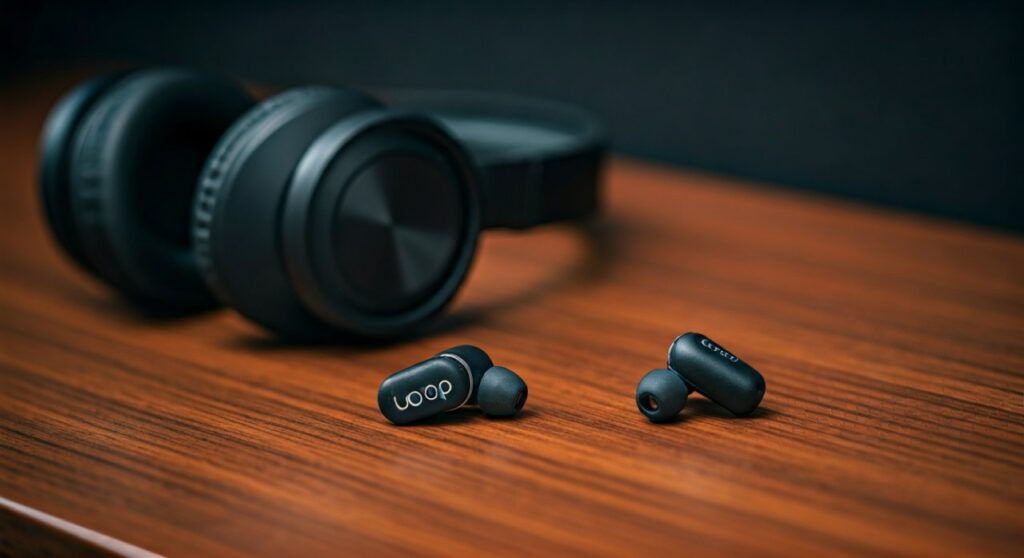
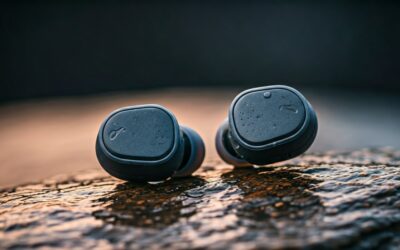
While their stylish, circular design often mimics the look of modern True Wireless Stereo (TWS) earbuds, their function is strictly for hearing protection and noise management. If you are looking for a device to stream audio, Loop earplugs will not meet that need; however, if you need to lower the volume of the world around you, they are industry leaders.
Key Takeaways: Loop Earplugs vs. Headphones
If you are in a rush, here is the essential breakdown of why are loop earplugs headphones is a common question and how they actually differ:
- Function: Loop earplugs are passive (no power), while headphones are active (require power).
- Audio: Headphones play sound; Loop earplugs only reduce external sound.
- Technology: Loop uses a patented acoustic channel and mesh; headphones use drivers and magnets.
- Best For: Loop is best for concerts, focus, and noise sensitivity. Headphones are best for media consumption and Active Noise Cancellation (ANC).
What Exactly Are Loop Earplugs?
To understand why people ask are loop earplugs headphones, we must look at their unique construction. Loop Earplugs are designed with a hollow, circular “loop” that acts as an acoustic chamber.
Unlike traditional foam earplugs that muffle all frequencies and make music sound “muddy,” Loop products use a combination of an internal acoustic channel and a filter mesh. This allows sound waves to enter the ear in a controlled manner, reducing the volume (decibels) without distorting the quality of the sound.
This “tech-forward” aesthetic is what leads many to mistake them for high-end electronics. They are frequently used by musicians, festival-goers, and individuals with Sensory Processing Disorder (SPD) or ADHD.
Comparing Loop Earplugs to Electronic Headphones
| Feature | Loop Earplugs | Noise-Cancelling Headphones |
|---|---|---|
| Power Source | None (Passive) | Battery (Active) |
| Bluetooth | No | Yes |
| Primary Goal | Hearing Protection / Focus | Audio Consumption / Silence |
| Weight | Extremely Lightweight (~2g) | Heavier (30g – 300g+) |
| Price Range | $25 – $60 | $50 – $500+ |
| Sound Alteration | Natural volume reduction | Digital signal processing |
The Science of Passive Noise Reduction vs. Active Noise Cancellation
One reason for the confusion regarding are loop earplugs headphones is the terminology surrounding “noise cancellation.”
Passive Noise Reduction (Loop)
Loop earplugs rely on Passive Noise Reduction. This means they create a physical barrier in the ear canal. The materials used—such as silicone or ABS plastic—block sound waves from reaching the eardrum. Because Loop includes a calibrated filter, it specifically targets certain frequencies to ensure you can still hear speech or music, just at a safer level.
Active Noise Cancellation (Headphones)
Active Noise Cancellation (ANC), found in brands like Bose or Sony, uses microphones to “listen” to outside noise. The headphones then produce an “anti-noise” frequency that cancels out the external sound. This requires a processor and a power source, which Loop earplugs do not have.
How to Choose: Do You Need Loops or Headphones?
Deciding whether to buy Loop earplugs or traditional headphones depends entirely on your environment and goals. Based on expert testing in high-decibel environments, here is how to choose.
Choose Loop Earplugs if:
- You are attending a live concert: You want to hear the music clearly but protect your ears from tinnitus.
- You have noise sensitivity: Loud environments like malls or offices cause you stress or “sensory overload.”
- You need to sleep in silence: They are low-profile and comfortable for side-sleepers, unlike bulky headphones.
- You want to hear conversations: The Loop Engage model is specifically designed to reduce background noise while keeping speech intelligible.
Choose Headphones if:
- You want to listen to music: This is the most obvious differentiator.
- You want total silence: High-end ANC headphones are generally better at “tuning out” the low-frequency hum of an airplane engine.
- You need to take calls: Headphones include microphones for communication.
A Step-by-Step Guide to Using Loop Earplugs Correctly
Since Loop earplugs are shaped differently than standard earplugs, many users initially struggle with the fit. Follow these steps for the best experience:
Step 1: Select Your Ear Tip Size
Every pair of Loop earplugs comes with four sets of silicone ear tips (XS, S, M, L).
- Pro Tip: Your ear canals might be different sizes. Don’t be afraid to use a Medium in one ear and a Small in the other.
- Goal: A tight seal is necessary for the decibel reduction to work.
Step 2: Insert and Twist
Hold the circular “loop” between your thumb and index finger. Insert the tip into your ear canal. Once it is in, twist the loop towards the back of your head. The loop should sit snugly within the concha (the bowl-shaped part) of your ear.
Step 3: Check the Seal
If the world sounds “quieter” but not “muffled,” you have a good seal. If you can still hear everything at full volume, the ear tip is likely too small.
Deep Dive: The Different Loop Models
To further clarify that are loop earplugs headphones is a “no,” let’s look at the mechanical (not electronic) differences between their primary models.
Loop Quiet
- Noise Reduction: 26 decibels (dB).
- Material: All-silicone.
- Best For: Sleep, deep focus, and travel.
- Note: These provide the most “muffled” experience because they lack an acoustic filter.
Loop Experience
- Noise Reduction: 18 decibels (dB).
- Material: Plastic loop with an internal acoustic channel.
- Best For: Concerts, motorcycling, and live events.
- Benefit: Keeps music quality high while lowering the volume.
Loop Engage
- Noise Reduction: 16 decibels (dB).
- Material: Engineered to combat the “occlusion effect” (the sound of your own voice echoing in your head).
- Best For: Social gatherings, parenting, and office work.
Loop Switch
The Loop Switch is the most “tech-like” product they offer. It features a mechanical dial that allows you to toggle between Engage, Experience, and Quiet modes. Even with this mechanical switch, it remains a passive device with no electronics.
Expert Perspective: Why the Confusion Exists
As an expert in audio gear, I’ve noted three main reasons why the “are loop earplugs headphones” query persists in search engines:
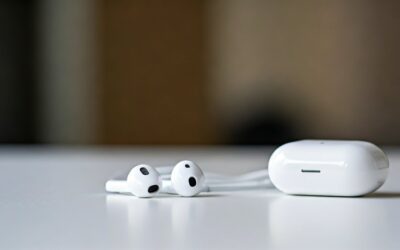
- The Aesthetic Shift: We are moving into an era of “Hearables.” Products like the Apple AirPods Pro have “Transparency Mode,” which acts like an earplug. Because headphones are getting better at “filtering,” and earplugs are getting better at looking like headphones, the line is blurring for the average consumer.
- Marketing Placement: Loop is often advertised alongside tech gadgets and productivity tools.
- Packaging and Accessories: They come with “charging-style” carry cases and high-quality branding that mirrors the unboxing experience of premium electronics.
Practical Advice for First-Time Users
If you are buying Loop earplugs thinking they are headphones, stop now. However, if you want the best “non-electronic” way to manage sound, here is my advice:
- Start with the Switch: If you aren’t sure which level of noise reduction you need, the Loop Switch is worth the extra investment. It covers all bases.
- Keep them Clean: Unlike headphones, these sit deep in the ear and can collect wax quickly. Clean the silicone tips with a damp cloth regularly.
- Use the Mute Accessory: Some models allow for a “Mute” insert—a small silicone plug that goes into the center of the loop to add an extra 5dB of noise reduction.
Frequently Asked Questions
Can I connect Loop earplugs to my phone?
No. Loop earplugs have no electronic components and cannot connect via Bluetooth or any other wireless protocol to a smartphone or computer.
Can I hear music while wearing Loop earplugs?
Yes, you can hear music playing in your environment (like at a concert or club). In fact, they are designed to make live music sound better by preventing the “distortion” that occurs at high volumes. You cannot, however, play music through the earplugs.
Are Loop earplugs better than noise-canceling headphones for sleeping?
Generally, yes. Loop Quiet earplugs are made of soft silicone and are much smaller than headphones, making them far more comfortable for side-sleepers. They also don’t require a battery that could die overnight.
Why do Loop earplugs look like earbuds?
The circular design is functional; it mimics the natural resonance of the human ear (the ear’s “acoustic resonance”). The “loop” shape also helps the earplug stay secure in the outer ear without needing deep, uncomfortable insertion.
Do Loop earplugs block out all noise?
No earplug can block out 100% of sound because sound also travels through bone conduction. However, Loop Quiet provides significant reduction (26dB), which is enough to make a loud snoring partner or city traffic sound like a faint whisper.