
Are Noise-Canceling Headphones Considered Assistive Technology?
Yes, noise-canceling headphones are considered assistive technology (AT) when used to mitigate the effects of a disability, such as sensory processing disorder, autism, or ADHD. These devices serve as a “reasonable accommodation” under legal frameworks like the ADA (Americans with Disabilities Act) by helping users manage environmental stimuli and maintain focus in high-stress settings.
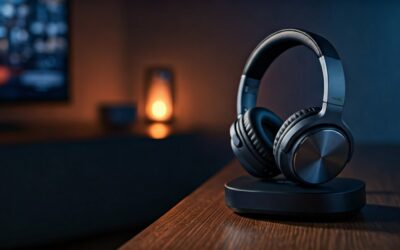
For many individuals, the world is simply too loud. From the hum of an air conditioner to the chatter of an open-plan office, ambient noise can trigger sensory overload or severe anxiety. By using Active Noise Cancellation (ANC), these headphones act as a digital shield, allowing neurodivergent individuals and those with hearing sensitivities to navigate public spaces and workplaces with the same level of accessibility as their peers.
Key Takeaways: Noise-Canceling Tech as an AT Tool
Before we dive into the step-by-step guide on selecting and requesting these tools, here is a quick summary of why they qualify as assistive technology:
| Feature | Impact on Disability | Legal Context |
|---|---|---|
| Active Noise Cancellation | Reduces sensory overload and prevents meltdowns. | Recognized as a Reasonable Accommodation. |
| Transparency Mode | Enhances speech clarity while blocking background noise. | Useful for Auditory Processing Disorder (APD). |
| Focus Mode | Minimizes distractions for improved productivity. | Supported under IDEA for educational settings. |
| Physical Barrier | Signals to others that the user needs focus/space. | Improves social navigation for the neurodivergent. |
What Defines Assistive Technology in the Modern World?
To understand why noise-canceling headphones qualify, we must first look at the official definition of assistive technology. According to the Assistive Technology Act, AT is any item, piece of equipment, or product system used to increase, maintain, or improve the functional capabilities of individuals with disabilities.
In my years of observing workplace accessibility trends, the shift from “specialized medical gear” to “mainstream consumer tech” has been profound. A device does not need to be purchased from a medical supplier to be considered AT; its status is defined by its functional purpose for the user.
If a student with Autism Spectrum Disorder (ASD) uses Sony WH-1000XM5 headphones to block out the high-pitched hum of classroom lights, those headphones are, by definition, assistive technology. They are enabling that student to access their education in a way they otherwise could not.
Why Noise-Canceling Headphones Are Essential for Neurodiversity
For someone with a typical sensory profile, background noise is filtered out automatically by the brain. However, for those with Sensory Processing Disorder (SPD) or ADHD, the brain may treat every sound with equal priority. This leads to a state of constant “high alert” that is exhausting and debilitating.
Managing Sensory Overload
In my experience, individuals with Hyperacusis (sensitivity to everyday sounds) describe the world as “painfully loud.” High-quality ANC from brands like Bose or Apple can reduce ambient noise by up to 30 decibels. This reduction is often the difference between being able to stay in a grocery store or having to leave immediately due to a panic attack.
Boosting Focus and Productivity
For the ADHD community, auditory distractions are productivity killers. A single conversation two desks away can derail a deep-work session. By creating a “cone of silence,” noise-canceling headphones serve as a cognitive prosthetic, helping the user maintain their executive function.
Mitigating Auditory Processing Disorder (APD)
Surprisingly, some of the best assistive technology for hearing isn’t just about making things louder. Transparency Mode or Conversation Boost features in the AirPods Pro allow users to filter out the “clutter” of a room while amplifying the voice of the person standing directly in front of them.
Step-by-Step: How to Choose the Right Headphones for Assistive Use
Not all noise-canceling headphones are created equal. When selecting a pair for use as assistive technology, you need to look beyond the “cool factor” and focus on specific technical metrics.
Step 1: Evaluate the Type of Noise Cancellation
There are two main types: Active and Passive.
- Passive Noise Isolation: Uses physical materials (thick foam ear cups) to block sound. Best for high-frequency sounds.
- Active Noise Cancellation (ANC): Uses microphones to “listen” to outside noise and create an inverted sound wave to cancel it out. This is essential for low-frequency drones like engines or office hums.
Step 2: Check for “Transparency” or “Ambient” Modes
As an expert in digital accessibility, I always recommend devices that offer a toggle between full cancellation and transparency. This is a safety feature. If you are walking in traffic or need to hear an emergency announcement, you must be able to “open” the headphones without taking them off.
Step 3: Prioritize Long-Term Comfort
If you are using these as an assistive tool, you will likely wear them for 6-8 hours a day.
- Clamping Force: Ensure the headband isn’t too tight, which can cause “sensory headaches.”
- Earpad Material: Look for memory foam covered in breathable protein leather.
- Weight: Lighter models like the Bose QuietComfort series are often better for all-day wear than heavier metal-built options.
Step 4: Battery Life and Reliability
Assistive technology must be reliable. If your battery dies halfway through a sensory-heavy commute, the device fails its purpose. Look for a minimum of 30 hours of battery life with ANC enabled.
How to Request Headphones as a Reasonable Accommodation
If you are an employee or a student, you may be able to have your employer or school provide or allow the use of noise-canceling headphones under the ADA or Section 504.
Documentation is Key
You do not always need to disclose your specific diagnosis, but you do need a letter from a healthcare professional stating that you have a “disability-related limitation” regarding noise and that noise-canceling headphones are a necessary accommodation.
Focus on the “Functional Limitation”
When writing your request, don’t just say “I want headphones.” Instead, say: “Due to a sensory processing limitation, ambient office noise causes significant cognitive fatigue and prevents me from performing the essential functions of my role. Noise-canceling headphones allow me to mitigate this distraction.”
Propose a Specific Solution
Suggest a model that has been proven effective. Many HR departments prefer over-ear models because they are a visible signal to co-workers that you are in “focus mode,” which helps reduce social interruptions.
Comparative Analysis: Top Assistive Audio Devices
| Model | Best For | Key Assistive Feature |
|---|---|---|
| Sony WH-1000XM5 | Total Silence | Best-in-class ANC for office/travel. |
| Bose QuietComfort Ultra | All-Day Comfort | Extremely lightweight with soft clamping force. |
| Apple AirPods Pro 2 | Low Profile | Best “Transparency Mode” for social interactions. |
| Loop Quiet Earplugs | Passive Only | Non-electronic, discreet, and budget-friendly. |
| Sennheiser Momentum 4 | Long Battery | 60-hour battery life for those who forget to charge. |
Expert Perspectives on the “Stigma” of Headphones
Historically, wearing headphones in a meeting or classroom was seen as rude. However, as our understanding of Neurodiversity grows, this perception is changing.
Dr. Temple Grandin, a world-renowned advocate for autism, has often spoken about the “sensory hell” of certain environments. For people like her, these devices aren’t a luxury; they are a bridge to the world. As an expert in this field, I encourage managers and educators to view headphones not as a barrier to communication, but as a tool that enables it by keeping the user regulated and calm.
Practical Advice for New Users
If you are just starting to use noise-canceling headphones as assistive technology, follow these tips to avoid “ANC Pressure”:
- Acclimatize Slowly: Some people feel a “pressure” sensation in their ears when they first turn on high-end ANC. Start by wearing them for 15 minutes at a time.
- Use White Noise: If the “dead silence” feels eerie, play a low-level white noise or “brown noise” track. This can further mask erratic sounds that the ANC might miss.
- Keep a Backup: Always carry a pair of high-fidelity earplugs (like Earasers) in case your battery dies or you are in an environment where electronics aren’t allowed.
Frequently Asked Questions
Can I use my HSA or FSA to buy noise-canceling headphones?
In many cases, yes. If your doctor provides a Letter of Medical Necessity (LMN) stating that the headphones are required to treat a specific condition (like PTSD, Tinnitus, or Autism), you can often use HSA/FSA funds to purchase them.
Are noise-canceling headphones better than earplugs for sensory issues?
It depends on the user. Headphones offer active cancellation, which is better for low-frequency drones. Earplugs are better for high-frequency “sharp” noises. Many users find a combination of both is most effective for extreme environments like airplanes.
Do noise-canceling headphones help with Tinnitus?
Yes. While they don’t cure tinnitus, they can reduce the contrast between the internal ringing and external silence. Many models also allow you to play “masking sounds” which can provide significant relief for tinnitus sufferers.
Is there a difference between “Noise Masking” and “Noise Canceling”?
Yes. Noise-canceling uses technology to “delete” sound waves. Noise-masking (like white noise machines) simply plays a soothing sound that is louder than the distracting ones. For assistive purposes, noise-canceling is generally more effective for preventing sensory overload.
Are there “invisible” assistive noise-canceling options?
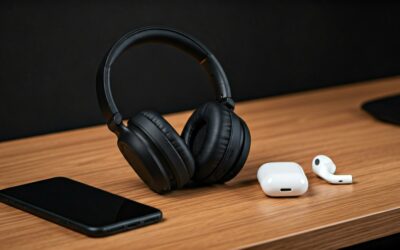
The AirPods Pro 2 and Sony WF-1000XM5 earbuds are very discreet. They provide powerful ANC without the bulk of over-ear headphones, making them ideal for individuals who want to blend in during social or professional settings.