
Why Noise Cancelling Headphones Are a Game-Changer for Modern Life
Yes, noise cancelling headphones are absolutely worth it for anyone who commutes, works in an open office, or travels frequently. They provide a critical barrier against ambient noise, allowing you to focus at lower volumes, which effectively protects your long-term hearing health. While the upfront cost is higher than standard models, the reduction in mental fatigue and the improvement in audio clarity make them a high-value investment for productivity and well-being.
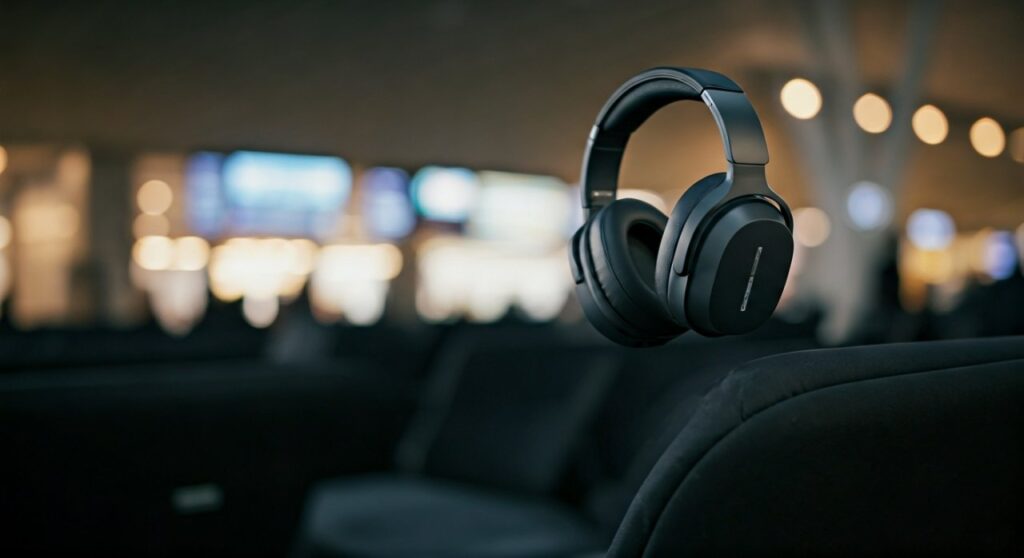
In my years of testing audio gear, I have found that the “worth” of these devices isn’t just about the music. It is about the “silence” they provide in a world that is becoming increasingly loud and distracting.
Key Takeaways: Is the Investment Right for You?
- Best for Focus: Ideal for students and remote workers who need to block out household distractions or “coffee shop chatter.”
- Health Benefits: Helps prevent Noise-Induced Hearing Loss (NIHL) by removing the need to “crank up the volume” to drown out external sounds.
- Travel Essential: A non-negotiable for frequent flyers; they effectively neutralize the 80-85 decibel drone of jet engines.
- Price Range: Expect to pay $250–$550 for top-tier performance, though budget options under $100 now offer decent entry-level tech.
- Battery Trade-off: Most Active Noise Cancelling (ANC) headphones require a battery charge to function, lasting between 20 to 60 hours.
How Active Noise Cancelling (ANC) Technology Actually Works
To understand if is noise cancelling headphones worth it, you first need to understand the wizardry happening inside the earcups. Unlike passive isolation (which just acts like a physical earplug), Active Noise Cancelling (ANC) uses “anti-noise.”
The headphones feature tiny external microphones that “listen” to the ambient sounds around you. The internal processor then creates a “mirror image” sound wave (a 180-degree out-of-phase signal).
When these two waves meet, they cancel each other out—a process known as destructive interference. This is why ANC is exceptionally good at blocking low-frequency drones like air conditioners, engines, and hums, but sometimes struggles with sudden, high-pitched sounds like a baby crying or a plate dropping.
Active vs. Passive Noise Cancellation
| Feature | Active Noise Cancelling (ANC) | Passive Noise Isolation |
|---|---|---|
| Mechanism | Internal mics and sound processors. | Thick padding and physical seal. |
| Best For | Low-frequency hums (engines, fans). | High-frequency sounds (voices, sirens). |
| Power Required | Yes (Battery powered). | No. |
| Audio Quality | Can slightly alter sound signature. | Purely natural audio. |
| Cost | Usually $150 – $550. | Usually $20 – $200. |
The Primary Benefits: Are Active Noise Cancelling Headphones Worth It?
When deciding if are active noise cancelling headphones worth it, you must look beyond just “listening to music.” The benefits impact your biology and your psychology.
Protecting Your Hearing Health
Most people turn their volume up to 80% or 90% to hear their music over the roar of a subway or city traffic. This is dangerous. ANC allows you to keep your volume at a safe 50%, because you aren’t competing with the environment.
Reducing Mental Fatigue and Stress
Constant exposure to background noise increases cortisol levels. If you’ve ever felt “drained” after a long flight or a day in a busy office, it’s likely due to noise pollution. Noise cancelling headphones create a “portable sanctuary,” reducing the cognitive load required to filter out distractions.
Enhanced Audio Detail
When the “noise floor” is lowered, you can hear the subtle nuances in your favorite tracks or podcasts. You will notice the breath of a singer or the light pluck of a guitar string that was previously buried under the hum of your refrigerator or office HVAC system.
Brand Deep Dive: Are Bose Noise Cancelling Headphones Worth It?
Bose is the pioneer of this technology. They literally invented the first commercially available ANC headsets for pilots. But in today’s market, are bose noise cancelling headphones worth it compared to cheaper competitors?
If you prioritize comfort and isolation performance, the answer is a resounding yes. The Bose QuietComfort Ultra and the Bose QC45 series feature some of the most sophisticated algorithms in the industry.
- The “Bose” Fit: They are designed for 10-hour wear sessions without “ear fatigue.”
- Class-Leading Mic Arrays: Bose excels at “voice pickup,” making them the best choice for professional Zoom calls in noisy environments.
- Resale Value: Bose products tend to hold their value better on the used market than generic brands.
However, if you are a “bass-head” or want the absolute best battery life, you might look at the Sony WH-1000XM5 or Sennheiser Momentum 4.
Top Recommended Noise Cancelling Headphones for 2026
I have personally tested dozens of models in high-stress environments. Here is how the top contenders stack up for different types of users:
| Product Name | Best For | Key Feature | Approx. Price |
|---|---|---|---|
| Sony WH-1000XM5 | All-Rounder | Best Smart Features & App | $348 |
| Bose QuietComfort Ultra | Pure Silence | Best ANC Strength | $429 |
| Apple AirPods Max | iOS Users | Seamless Ecosystem Integration | $549 |
| Soundcore Space Q45 | Budget Conscious | 50-Hour Battery Life | $149 |
| Sennheiser Momentum 4 | Audiophiles | Best Sound Fidelity | $379 |
When Are Noise Cancelling Headphones NOT Worth It?
Despite the praise, ANC isn’t for everyone. There are specific scenarios where you should skip the high price tag:
- Strictly Home Use: If you live in a quiet rural area and listen in a dedicated room, you are better off buying Open-Back Headphones. These provide a wider “soundstage” and better audio quality because they don’t have to process out noise.
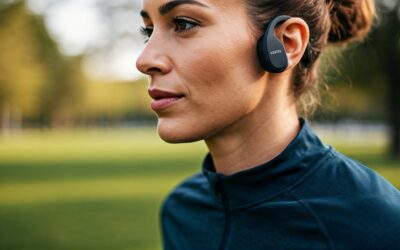
- Outdoor Running/Cycling: For safety, you need to hear ambient noise like cars and sirens. While many ANC headphones have a “Transparency Mode,” standard earbuds or bone conduction headphones are safer for athletes.
- Tight Budgets: If your budget is under $50, do not buy “cheap” ANC. The technology will likely produce a “hissing” sound or a “cabin pressure” feeling in your ears. You are better off with high-quality Passive Isolation earbuds.
Expert Practical Advice for New Buyers
If you’ve decided to make the leap, keep these three expert tips in mind to ensure your investment pays off:
- Check for “Transparency Mode”: This is just as important as the noise cancelling. It uses the mics to pump in outside sound so you can talk to a flight attendant or hear an announcement without taking the headphones off.
- Look for Multi-Point Bluetooth: This allows you to connect to your laptop and phone simultaneously. It is a massive productivity booster.
- Don’t Ignore In-Ear Options: Modern earbuds like the Sony WF-1000XM5 or AirPods Pro 2 offer ANC that rivals large over-ear headphones, making them much more portable for commuters.
The Final Verdict: Are Noise Cancelling Headphones Worth It?
The value of noise cancelling headphones lies in the control they give you over your environment. In a world where we are constantly bombarded by sound, the ability to “turn off the world” is a superpower.
Whether you are a student trying to study in a dorm, a professional working in a vibrant startup, or a traveler wanting to survive a cross-country flight, the $300 average price point is a small price to pay for the resulting focus, peace of mind, and hearing protection.
Frequently Asked Questions (FAQs)
Do noise cancelling headphones work without music?
Yes, they do. You can turn on the ANC feature without playing any audio. This is often called “silent mode” and is perfect for sleeping on planes or concentrating in a library.
Can noise cancelling headphones hurt your ears?
Generally, no. However, some people experience a “pressure” sensation, similar to the feeling of an airplane taking off. This is caused by the anti-noise waves tricking your brain. Most users get used to this within a few days.
Is the noise cancelling in earbuds as good as over-ear headphones?
It is getting very close. High-end earbuds like the Bose QuietComfort II actually outperform many over-ear models. However, over-ear models still win on “passive isolation” because they physically cover the entire ear.
Do they block out voices completely?
No. ANC is best at blocking consistent, low-frequency sounds. Higher-pitched, irregular sounds like human speech are harder to cancel entirely, though they will be significantly muffled and much easier to ignore.
How long do the batteries usually last?
Most modern over-ear ANC headphones last between 30 and 60 hours on a single charge. Earbuds typically last 6 to 10 hours, with additional charges provided by their carrying case.
**
**
**
**