
Why Open Ear Headphones are the Ultimate Choice for Runners
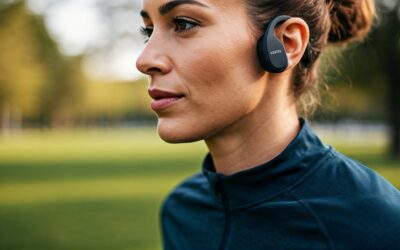
Are open ear headphones good for running? Yes, they are arguably the best choice for runners because they provide unmatched situational awareness, allowing you to hear ambient sounds like traffic and sirens while enjoying music. Unlike traditional earbuds, they do not block the ear canal, which prevents the “thumping” sound of your own footsteps and reduces the risk of ear infections caused by trapped sweat.

If you are a marathon trainer or a casual jogger, switching to open ear technology is a game-changer for safety and long-term comfort. While you might lose some deep bass compared to noise-canceling models, the trade-off for safety and “bud-free” comfort is worth it for most athletes.
Key Takeaways: The Runner’s Quick Guide
If you’re in a hurry, here is the essential data on why open ear headphones are dominating the running community:
| Feature | Open Ear (Bone/Air Conduction) | Traditional In-Ear Buds |
|---|---|---|
| Safety | Maximum (Full awareness) | Low (Isolates noise) |
| Comfort | High (No ear pressure/heat) | Medium (Can cause soreness) |
| Hygiene | Excellent (No sweat buildup) | Poor (Bacteria risk) |
| Sound Quality | Good (Lacks deep bass) | Excellent (Rich bass) |
| Stability | Very High (Wraparound design) | Variable (Can fall out) |
- Safety First: Hear approaching vehicles, cyclists, or wildlife instantly.
- Comfort: Eliminate the “plugged-up” feeling and ear fatigue during long runs.
- Health: Reduce the risk of swimmer’s ear and bacterial growth in the canal.
- Top Brands: Look for Shokz, Oladance, Bose Ultra Open, and Suunto.
The Science of Safety: Situational Awareness Explained
As an experienced runner who has logged thousands of miles in both urban and trail environments, I can tell you that the biggest threat isn’t fatigue—it’s distraction. Traditional noise-canceling headphones create an auditory “bubble” that can be dangerous.
Open ear headphones use either Bone Conduction or Directional Air Conduction to deliver sound. Because your ear canal remains completely open, your brain can process two streams of audio simultaneously: your playlist and your environment.
Statistics from various cycling and running safety groups suggest that “auditory masking” is a leading cause of pedestrian-vehicle accidents. By using open ear technology, you maintain 100% of your peripheral hearing, significantly lowering your risk profile on the road.
Step-by-Step Guide: How to Choose the Right Pair for Your Run
Not all open ear headphones are created equal. Follow these steps to ensure you invest in the right gear for your specific running style.
Step 1: Decide Between Bone Conduction vs. Air Conduction
- Bone Conduction: These sit on your cheekbones and send vibrations to the inner ear. They are the most “open” but have the least bass. Best for: Extreme safety and heavy traffic areas.
- Air Conduction: These use tiny, highly directional speakers that hover just outside the ear. They offer better sound quality and more bass. Best for: Trail running or quiet paths where you want better music fidelity.
Step 2: Check the IP Rating (Sweatproofing)
Running is a sweaty business. Look for at least an IP55 rating (water-resistant). If you run in heavy rain or plan to wash your headphones under a tap, aim for IP67 or higher.
Step 3: Evaluate the Fit and Stability
Look for a titanium wraparound frame (common in Shokz models) or secure ear hooks (like the Oladance Wearable Stereo). Test them by performing a “shake test”—jump up and down and move your head side-to-side to ensure they don’t bounce.
Step 4: Battery Life Requirements
For most runners, 6-8 hours is sufficient. However, if you are an ultra-marathoner, look for models that offer 10-14 hours of continuous playback or come with a portable charging case.
How to Optimize Your Running Experience with Open Ear Tech
Once you have your pair, follow these professional tips to get the most out of them during your training sessions.
Adjust the Volume for the Environment
The beauty of open ear headphones is the balance. In a quiet park, you can crank the volume. In a busy city center, keep the volume at 50% to ensure you can still hear the hybrid engines of modern cars which are notoriously quiet.
Positioning is Key
For bone conduction models, ensure the transducers are sitting on the bone just in front of your ear, not on the ear itself. For air conduction, ensure the speaker is aligned with the canal opening without touching it.
Use Earplugs ONLY in Safe Zones
Many open ear brands (like Shokz OpenRun) include earplugs. Why? If you are on a treadmill or a safe indoor track, wearing earplugs with bone conduction headphones actually increases the bass and volume. Never do this on the road.
The Hidden Benefits: Hygiene and Ear Health
Many runners suffer from “Runner’s Ear” or chronic itching. This is often caused by shoving silicone tips into a sweaty ear canal, creating a warm, moist breeding ground for bacteria.
Expert Insight: Dermatologists often recommend open ear headphones for athletes prone to otitis externa. By allowing the ear canal to breathe and stay dry, you eliminate the primary cause of exercise-induced ear infections.
Furthermore, there is no pneumatic pressure on the eardrum. Traditional buds push air into the canal, which can lead to ear fatigue over several hours. Open ear designs bypass this entirely, making them much more comfortable for 2+ hour marathon training blocks.
Comparing the Top Models for Runners in 2024
| Model | Technology | Weight | Battery Life | Best For |
|---|---|---|---|---|
| Shokz OpenRun Pro | Bone Conduction | 29g | 10 Hours | All-around running |
| Bose Ultra Open Earbuds | Air Conduction | 6.3g (each) | 7.5 Hours | Style & Sound Quality |
| Oladance OWS 2 | Air Conduction | 12.8g (each) | 19 Hours | Ultra-marathons |
| Suunto Wing | Bone Conduction | 30g | 10 Hours | Extreme Trails (LED lights) |
Common Myths About Open Ear Headphones
Myth 1: “The sound quality is terrible.”
Reality: While they don’t compete with $500 over-ear studio headphones, modern air conduction technology provides surprisingly crisp mids and highs. The “lack of bass” is a physical reality of the design, but it is a small price to pay for safety.
Myth 2: “Everyone can hear my music.”
Reality: Sound leakage has been drastically reduced. In a typical outdoor environment, someone standing two feet away likely won’t hear your music unless it is at maximum volume.
Myth 3: “They fall off easily.”
Reality: Because most models use a wraparound tension band or ear hooks, they are actually more stable than standard earbuds during high-impact activities like sprinting or trail jumping.
Maintaining Your Open Ear Gear: A 3-Step Routine
- Wipe after every run: Use a damp cloth to remove salt and sweat from the charging contacts and transducers.
- Dry before charging: Never plug in your headphones while the port is wet. Many high-end models have a “moisture detection alert” to prevent short-circuiting.
- Firmware updates: Use the manufacturer’s app (like the Shokz App or Bose Music App) to keep the internal software updated for better battery management.
Are There Any Downsides?
While I advocate for them, I must be objective. If you run primarily on a loud treadmill in a noisy gym, open ear headphones struggle. They don’t block out the gym’s overhead music or the roar of the treadmill motor. They are specialized tools designed for the outdoor athlete who values environmental connection over total immersion.
FAQs: Everything Runners Need to Know
Do open ear headphones cause hearing loss?
Actually, they can be safer for your hearing. Because they don’t seal the ear canal, there is no trapped air pressure hitting the eardrum. However, listening at maximum volume for extended periods still carries risks, so keep levels moderate.
Can I wear sunglasses with open ear headphones?
Yes! Most models, including the Shokz OpenRun, are designed with a slim hook that sits comfortably alongside sunglass arms. I recommend putting your sunglasses on after the headphones for the most secure fit.
Are they good for people with hearing aids?
Yes, bone conduction headphones are often a fantastic solution for individuals with certain types of hearing loss because they bypass the outer and middle ear entirely.
Do they work for runners with small heads?
Many brands offer “Mini” versions. For example, the Shokz OpenRun Mini has a shorter band that prevents the back from bouncing against the neck for runners with smaller frames.
Can I use them for phone calls while running?
Most modern open ear sets feature dual noise-canceling microphones. While wind noise can be a factor during fast descents, they are generally excellent for taking hands-free calls on the move.