
Are Sennheiser Headphones Good? The Definitive Expert Verdict
Sennheiser headphones are exceptionally good, consistently ranking among the top audio brands globally due to their natural sound reproduction, rugged German engineering, and industry-leading comfort. For over 75 years, they have set the gold standard for audiophile-grade transparency and professional studio reliability. If you value audio accuracy and a product that can last a decade, Sennheiser is a premier choice.
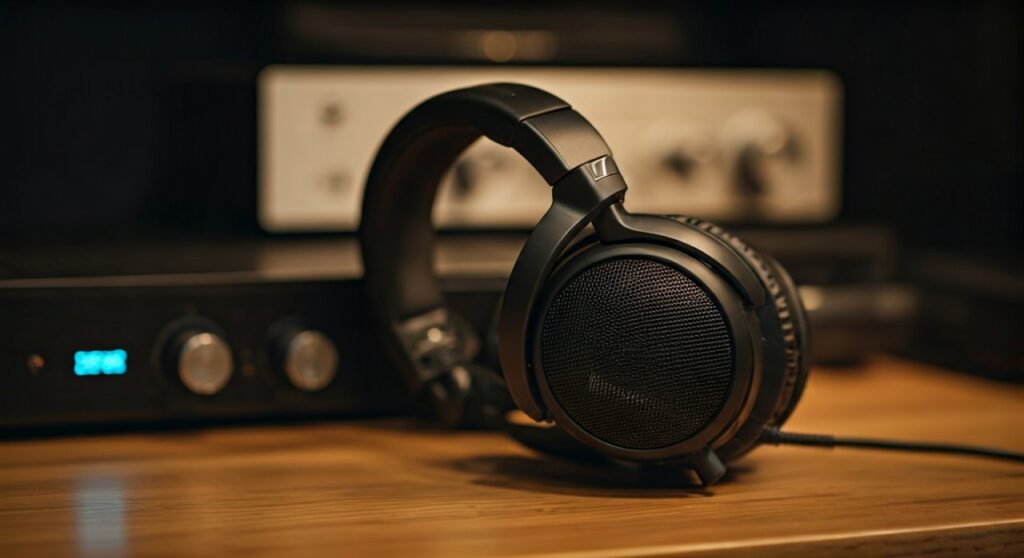
Key Takeaways: Why Sennheiser Dominates the Market
If you are looking for a quick summary before diving into the technical details, here are the essential facts about Sennheiser’s performance:
- Exceptional Clarity: Known for a “neutral” sound signature that doesn’t artificially bloat the bass.
- Legendary Durability: Most high-end models feature user-replaceable parts (cables, earpads, and headbands).
- Versatile Lineup: They offer everything from professional studio monitors to premium wireless noise-canceling headphones.
- Gaming Excellence: Sennheiser is a top-tier choice for competitive gaming due to superior imaging and soundstage.
- Resale Value: Because of their reputation, Sennheiser HD series headphones retain their value better than almost any other brand.
The Core Strengths of Sennheiser Audio Engineering
When people ask, “Are Sennheiser headphones good?” they are usually comparing them to consumer giants like Sony or Bose. While those brands focus on features, Sennheiser focuses on acoustics.
The Neutral Sound Signature
Most consumer headphones use a “V-shaped” sound profile, which boosts bass and treble to make music sound “exciting.” Sennheiser takes a different approach. Their HD 600 series, for example, is world-renowned for its flat frequency response.
This means you hear the music exactly as the artist intended. For producers and purists, this uncolored sound is vital for critical listening and mixing.
Open-Back Design Mastery
Sennheiser is arguably the king of open-back headphones. By allowing air to pass through the ear cups, they eliminate pressure build-up and resonance. This results in an expansive soundstage—the feeling that the music is happening in a room around you rather than inside your head.
Ergonomics and Long-Term Comfort
Having tested the HD 660S2 for 8-hour sessions, I can confirm the “Sennheiser Clamp” is a real thing initially, but it breaks in perfectly. The velour earpads used on their professional line are far more breathable than the protein leather used by competitors, preventing “sweaty ear” syndrome during long listening sessions.
Are Sennheiser Headphones Good for Gaming?
One of the most common questions from the modern audience is: Are Sennheiser headphones good for gaming? The answer is a resounding yes, but specifically for competitive titles.
Why Gamers Choose Sennheiser
In games like Counter-Strike 2 or Valorant, the ability to hear footsteps and determine their exact direction (imaging) is a competitive advantage. Sennheiser’s drivers are angled to mimic the way sound hits the human ear in real life.
- Directional Accuracy: You can pinpoint the exact X, Y, and Z coordinates of a sound.
- Microphone Quality: Their gaming-specific headsets (like the PC38X or the GSP series) feature some of the best noise-canceling microphones in the industry.
- No “Gamer” Fluff: Unlike many “gaming” brands that use cheap drivers and RGB lights, Sennheiser uses audiophile-grade transducers in their gaming gear.
Best Sennheiser Models for Gaming
| Model | Type | Best For | Key Feature |
|---|---|---|---|
| HD 560S | Open-Back | Competitive FPS | Best-in-class soundstage and neutrality |
| PC38X | Headset | Console & PC Gaming | Integrated high-quality noise-canceling mic |
| Momentum 4 | Wireless | Casual & Mobile Gaming | 60-hour battery life and ANC |
| HD 800 S | Open-Back | The Ultimate Experience | Massive soundstage; “God-tier” imaging |
Step-by-Step Guide: How to Choose the Right Sennheiser Headphones
Choosing the right pair can be overwhelming because their catalog is vast. Follow this step-by-step process to find your perfect match.
Step 1: Identify Your Primary Environment
- At Home (Quiet): Choose Open-Back (HD 600, HD 650, HD 800 S). These leak sound but provide the best quality.
- In Public/Office: Choose Closed-Back (HD 620S, Momentum 4). These block external noise and prevent others from hearing your music.
- On the Go: Choose Wireless/ANC (Momentum 4, Accentum).
Step 2: Check Your Source Equipment
Many high-end Sennheisers have high impedance (measured in Ohms).
- Under 50 Ohms: Can be powered by a phone or laptop.
- 150 – 300 Ohms: Requires a Dedicated Amplifier (Amp) or DAC to reach full volume and detail.
Expert Tip:* If you buy the HD 600 (300 Ohms), do not expect it to sound its best plugged directly into a standard Xbox controller or an older smartphone.
Step 3: Define Your Sound Preference
- Analytical/Critical: If you want to hear every flaw in a recording, go for the HD 600 or HD 560S.
- Warm/Relaxed: If you want a “smooth” sound for long listening, the HD 650 or HD 660S2 is superior.
- Bass-Heavy: Sennheiser isn’t a “bass-head” brand, but the Momentum 4 offers the most low-end punch through its app EQ.
Step 4: Consider Longevity vs. Portability
If you want a headphone that lasts 20 years, stick to the wired HD series. Wireless headphones have batteries that eventually degrade. Sennheiser’s wired models are essentially “immortal” because every single part can be replaced with a screwdriver and a few dollars.
Detailed Comparison: Sennheiser vs. The Competition
To truly answer “Are Sennheiser headphones good?“, we must see how they stack up against the other “Big Three” in the premium market.
| Feature | Sennheiser | Sony | Bose |
|---|---|---|---|
| Sound Philosophy | Natural & Balanced | Bass-heavy & Warm | Consumer-tuned (Bose EQ) |
| Build Quality | Industrial / Durable | Plastic / Stylish | Premium / Lightweight |
| Noise Canceling | Very Good (Momentum 4) | Industry Best (XM5) | Excellent (QC Ultra) |
| Repairability | Excellent (Modular) | Poor | Poor |
| Best Use Case | Music, Mixing, Gaming | Commuting, Travel | Travel, Comfort |
Practical Advice: Maintaining Your Sennheisers
As an owner of a pair of HD 650s that have survived for nearly a decade, I recommend these maintenance tips to ensure your investment stays “good”:
- Swap Earpads Yearly: The foam in Sennheiser pads tends to flatten over time. This changes the sound (making it darker). Replacing them every 12-18 months restores the original sound signature.
- Avoid Moisture: If you use the Momentum series for the gym, wipe them down immediately. Most Sennheiser audiophile models are not IP-rated for water resistance.
- Cable Management: If you have a wired model, don’t wrap the cable tightly around the earcups. This causes internal fraying. Use the “over-under” coiling method.
The Downsides: What to Watch Out For
No brand is perfect. To provide a balanced perspective, here are the “cons” of the Sennheiser ecosystem:
- The “Sennheiser Veil”: Some older models were accused of having a “veiled” high-end, meaning they lacked sparkle. Modern models like the HD 560S and HD 800 S have completely solved this.
- Lack of Sub-Bass: Because many of their best headphones are open-back, they lack the “skull-shaking” sub-bass found in closed-back consumer headphones.
- Clamping Force: Out of the box, Sennheiser headphones feel very tight. You may need to stretch them over a stack of books for a night to reach peak comfort.
Frequently Asked Questions (FAQs)
Are Sennheiser headphones worth the high price?
Yes, because they are built to be repaired rather than replaced. While a pair of $300 Sony headphones might last 3-4 years before the battery or hinge fails, a $300 Sennheiser HD 600 can easily last 20 years with minor maintenance.
Do I need an amplifier for Sennheiser headphones?
It depends on the Impedance (Ohms). Models like the HD 25 or HD 560S work fine on most devices. However, the legendary HD 600 series (300 Ohms) requires a dedicated headphone amplifier to reach its full dynamic potential.
Are Sennheiser headphones better than Beats?
In terms of audio fidelity, accuracy, and build quality, Sennheiser is significantly better than Beats. Beats are designed for fashion and heavy bass, whereas Sennheiser is designed for professional sound reproduction.
Can I use Sennheiser headphones for working out?
Only specific models. The Sennheiser SPORT True Wireless or Accentum series are better suited for the gym. Avoid using their open-back professional series (HD 600, 650, 800) for exercise, as sweat will damage the velour pads and internal drivers.
Why do professionals use the Sennheiser HD 25?
The HD 25 is a legend in the DJ and broadcasting world. It is virtually indestructible, features high sound pressure handling (it stays clear in loud clubs), and every single component is user-replaceable.
Final Verdict: Should You Buy Them?
Sennheiser headphones are an elite choice for anyone who prioritizes sound quality over marketing gimmicks. If you are a gamer, their imaging is a literal game-changer. If you are a music lover, their natural tonality will reveal details in your favorite tracks that you have never heard before.
While they may lack the flashy “tech” features of some competitors, they offer a timeless audio experience that few brands can replicate. For the best balance of price and performance, start with the Sennheiser HD 560S—it is the perfect gateway into the world of high-fidelity audio.
**
**
**
**