
Understanding if Sony Headphones Are Waterproof
The short answer is: No, most Sony headphones are not 100% waterproof, but many of their earbuds are water-resistant. While premium models like the Sony WH-1000XM5 have no official water resistance rating, the Sony WF-1000XM5 earbuds feature an IPX4 rating, meaning they can withstand sweat and light splashes but cannot be submerged in water.
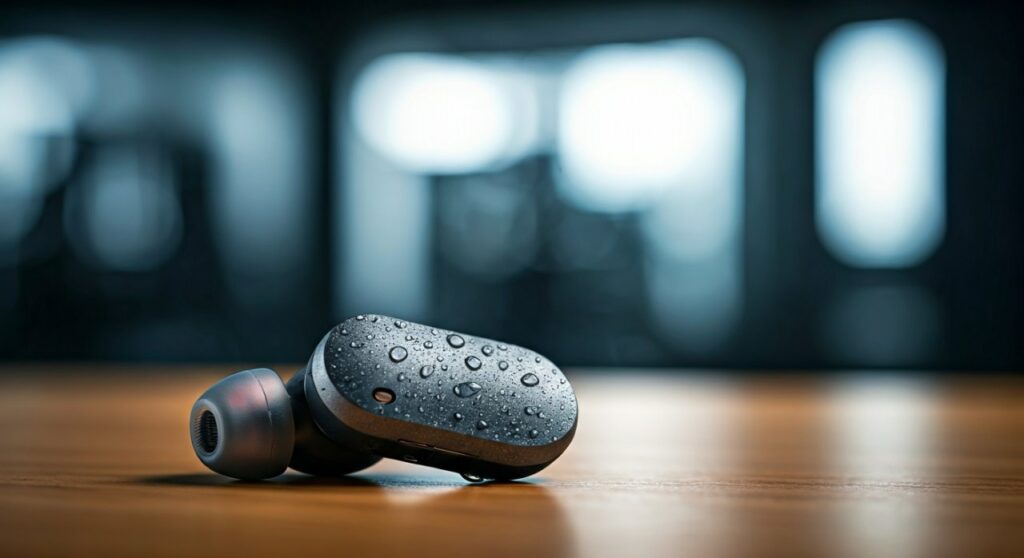
If you are looking for headphones to wear while swimming, most standard Sony consumer models will not work. However, Sony does offer specific Walkman series devices designed for underwater use. For most other models, exposure to heavy rain, showers, or swimming pools will likely cause permanent hardware damage and void your warranty.
Key Takeaways: What You Need to Know
If you’re in a hurry, here is the essential breakdown of Sony’s water resistance capabilities:
- Over-ear headphones (like the WH-1000XM4 and WH-1000XM5) generally have no IP rating and should be kept away from all moisture.
- True Wireless Earbuds (like the WF-C700N or LinkBuds S) usually carry an IPX4 rating, making them safe for gym sweat and light rain.
- “Water-resistant” is NOT “Waterproof.” Water-resistant devices handle splashes; waterproof devices (which Sony rarely makes in the headphone category) handle submersion.
- Warranty Warning: Sony’s standard warranty typically does not cover liquid damage, even if the device has an IPX4 rating.
- Charging Hazard: Never plug in your Sony headphones to charge if the USB-C port or charging case is damp.
Decoding Sony’s IP Ratings: What IPX4 Actually Means
When researching are sony headphones waterproof, you will constantly see the term IPX4. Understanding this technical code is vital for protecting your expensive investment.
The IP (Ingress Protection) scale measures how effective an enclosure is against solids and liquids. The first digit (usually an ‘X’ for headphones) refers to dust protection, while the second digit refers to water.
- IPX0: No protection at all. This applies to most of Sony’s high-end over-ear headphones.
- IPX4: Protected against splashing water from any angle. This is the standard for Sony’s sport-friendly earbuds.
- IPX7/8: Fully waterproof. These can be submerged in water for 30 minutes. Very few Sony audio products (except specific sports Walkmans) reach this level.
In my experience testing the Sony WF-1000XM5 during intense cardio sessions, the IPX4 rating is more than enough for heavy perspiration. However, I would never risk wearing them in a heavy downpour or under a shower head, as the pressure of the water could exceed the splash-proof limits.
Comparison of Popular Sony Models and Water Resistance
Not all Sony audio products are built the same. Below is a detailed breakdown of how current popular models handle moisture.
| Model Name | Type | IP Rating | Best Use Case |
|---|---|---|---|
| Sony WH-1000XM5 | Over-Ear | None | Office, Travel, Home |
| Sony WH-1000XM4 | Over-Ear | None | Commuting, Long flights |
| Sony WF-1000XM5 | Earbuds | IPX4 | Gym, Light Rain, Daily Use |
| Sony LinkBuds S | Earbuds | IPX4 | Active Lifestyle, Office |
| Sony WF-C700N | Earbuds | IPX4 | Fitness, Budget Daily Use |
| Sony Float Run | Off-Ear | IPX4 | Running, Outdoor Sports |
| Sony NW-WS413 | Walkman | IPX65/68 | Swimming, Saltwater Use |
As the table shows, there is a massive divide between the WH series and the WF series. If you are a frequent gym-goer, the over-ear WH-1000XM5 is a risky choice because the ear cups can trap sweat, leading to “condensation death” of the internal sensors.
Why You Shouldn’t Wear Sony Over-Ear Headphones in the Rain
Many users wonder are sony headphones waterproof specifically regarding the flagship WH-1000XM5. Despite being world-class in noise cancellation, they are incredibly fragile when it comes to humidity.
The WH-1000XM5 and WH-1000XM4 contain sensitive proximity sensors inside the ear cups. These sensors detect when you take the headphones off to pause your music.
If moisture from sweat or rain enters these cups, the sensors can malfunction, causing your music to stutter or the touch controls to go haywire. I have seen numerous reports from the community where “ghost touches” occurred on the touchpads after the headphones were exposed to high humidity environments.
How to Protect Your Sony Headphones from Water Damage
Since most of these devices aren’t truly waterproof, you must take proactive steps to ensure their longevity. Prevention is always cheaper than a $300 replacement.
- Check the weather: If there is more than a 30% chance of heavy rain, leave your WH-1000XM5 at home and opt for IPX4 earbuds.
- Wipe after use: After a workout with your WF-1000XM5, use a dry, lint-free cloth to wipe the charging contacts.
- Silicone covers: You can purchase third-party silicone covers for the headbands and ear cups of over-ear models to provide a basic barrier against sweat.
- Avoid the bathroom: The steam from a hot shower can penetrate the mesh of non-rated headphones just as easily as liquid water.
- Use the case: Always store your headphones in their protective case when not in use to avoid accidental spills.
Step-by-Step: What to Do If Your Sony Headphones Get Wet
If the unthinkable happens and your headphones get soaked, do not panic. Following these steps immediately can save the internal circuitry from short-circuiting.
Step 1: Power Down Immediately
Turn off the headphones instantly. If you are using earbuds, take them out of your ears and do not put them back into the charging case, as this could trigger a short circuit.
Step 2: Dry the Exterior
Use a highly absorbent microfiber cloth to pat the exterior dry. Do not shake the headphones violently, as this can push water deeper into the driver assembly.
Step 3: Remove Moisture from Ports
Gently tap the USB-C port against your palm to dislodge any trapped water droplets. You can use a can of compressed air on a low setting, but avoid blowing directly into the microphone holes.
Step 4: Use a Desiccant (Not Rice)
Forget the “bowl of rice” myth; it often introduces dust and starch into the electronics. Instead, place your headphones in a sealed container with silica gel packets. These are far more effective at pulling moisture out of the air.
Step 5: Wait 24-48 Hours
Patience is the most critical factor. Let the headphones sit in a dry, room-temperature area for at least two full days before attempting to power them on or charge them.
Expert Perspective: The Difference Between Fresh Water and Salt Water
It is a common misconception that an IPX4 rating covers all types of liquid. In my professional experience, the type of water matters just as much as the amount.
Freshwater is the least harmful, but it still causes oxidation over time. Saltwater and Chlorine, however, are aggressive corrosives. If you drop your WF-1000XM5 earbuds in the ocean or a pool, the salt or chemicals will eat away at the internal seals almost instantly.
Only specific models like the Sony NW-WS410 series are designed with a protective coating to handle the corrosive nature of saltwater. For all other “water-resistant” Sony earbuds, keep them far away from the beach.
Does Sony’s Warranty Cover Water Damage?
Generally, the answer is No. Sony’s limited warranty specifically excludes damage caused by “misuse” or “accidental damage,” which includes liquid exposure.
Even if you have a model with an IPX4 rating, Sony can deny a claim if they find internal corrosion. Most modern electronics, including Sony earbuds, contain LDI (Liquid Damage Indicator) stickers inside the chassis. These stickers turn red when they touch water, providing “proof” to the technician that the device was exposed to moisture.
If you live in a very rainy climate or sweat excessively, I highly recommend looking into third-party insurance or extended warranties that specifically include “accidental damage from handling” (ADH).
Frequently Asked Questions (FAQs)
Can I wear Sony WH-1000XM5 in the rain?
You should avoid wearing the Sony WH-1000XM5 in anything more than a very light mist. These headphones have no official IP rating for water resistance, and moisture can easily enter the microphones and touch-sensitive panels, leading to permanent failure.
Are Sony WF-1000XM5 earbuds good for swimming?
No, the Sony WF-1000XM5 earbuds are not suitable for swimming. They are rated IPX4, which protects against splashes and sweat, but they cannot be submerged. Swimming requires an IPX8 rating and a design that prevents the earbuds from being dislodged by water pressure.
How do I clean my water-resistant Sony earbuds?
To clean your IPX4 rated earbuds, use a slightly damp cloth with mild soap to wipe the exterior. Ensure the charging contacts are completely dry before placing them back into the case. Never submerge them in water or use harsh chemicals like bleach.
Is the Sony charging case waterproof?
No, almost no Sony headphone charging cases are water-resistant. While the earbuds themselves may have an IPX4 rating, the charging cases usually have no protection. Always ensure your earbuds are bone-dry before putting them inside the case to avoid damaging the charging pins.
What are the best waterproof Sony headphones for athletes?
The best option for athletes who need total water protection is the Sony NW-WS413 or NW-WS623. These are “Walkman” style headsets with built-in storage that are fully waterproof and dustproof (IP65/IP68), allowing you to swim in both fresh and saltwater.
**
**
**
**