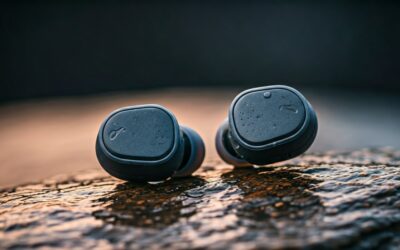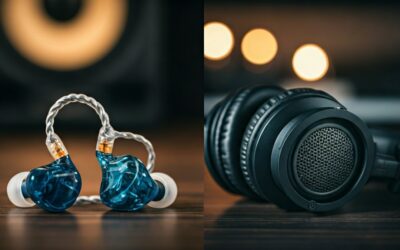

The Quick Answer: Are Wireless Headphones Safe?
Yes, wireless headphones are safe for the vast majority of users based on current scientific consensus. They emit non-ionizing radiation, which lacks the energy to damage DNA or cells directly.
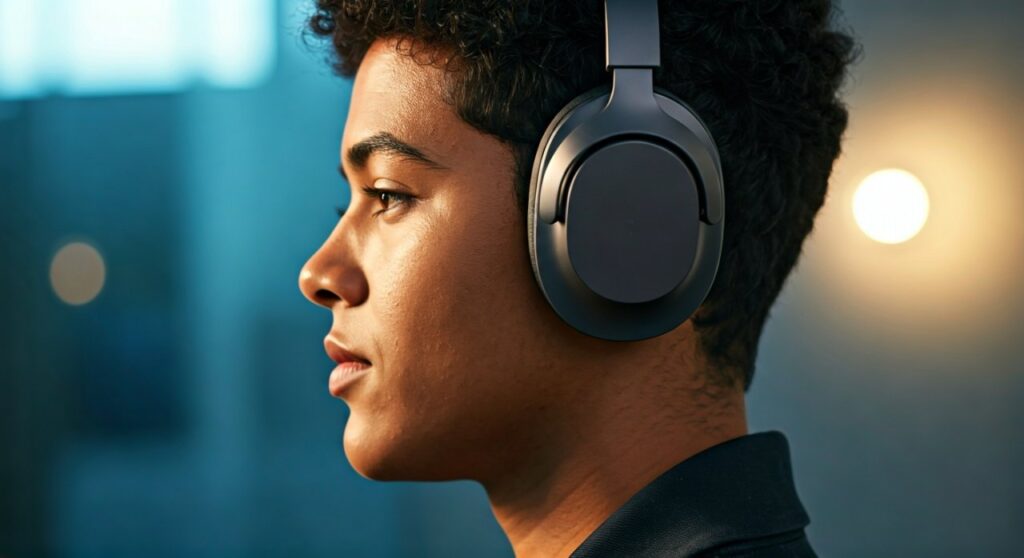
Safety organizations like the FDA, FCC, and WHO monitor these devices closely. Research shows that Bluetooth emissions are significantly lower than those from a typical smartphone held against your ear.
Key Takeaways: What You Need to Know
If you are in a hurry, here are the essential facts regarding are wireless headphones safe:
- Radiation Type: Bluetooth uses non-ionizing radiofrequency (RF) radiation, which is far less powerful than X-rays or UV light.
- SAR Levels: Most wireless headphones have a Specific Absorption Rate (SAR) well below the legal limit of 1.6 W/kg set by the FCC.
- The Real Risk: The primary danger of wireless headphones isn’t radiation; it is Noise-Induced Hearing Loss (NIHL) from high volume.
- Distance is Key: Unlike cell phones that search for distant towers, Bluetooth only communicates over a few meters, requiring much less power.
- Expert Advice: To stay safe, follow the 60/60 rule: listen at 60% volume for no more than 60 minutes at a time.
Understanding Bluetooth Radiation and EMF
To answer the question how dangerous are wireless headphones, we must look at Electromagnetic Fields (EMF). All electronic devices emit some form of EMF, but they are not all created equal.
There are two main categories of radiation: ionizing and non-ionizing. Ionizing radiation (like X-rays) has enough energy to strip electrons from atoms, causing cancer. Non-ionizing radiation (like Bluetooth, Wi-Fi, and visible light) does not have this power.
Bluetooth headphones operate in the 2.4 GHz frequency band. This is the same frequency used by microwave ovens, but the power output is thousands of times weaker. While a microwave uses about 1,000 watts, a Bluetooth Class 2 device uses only about 2.5 milliwatts.
What is the Specific Absorption Rate (SAR)?
The SAR measures how much RF energy the body absorbs. In the United States, the FCC mandates that all bluetooth wireless headphones must have a SAR level below 1.6 watts per kilogram.
For perspective, popular models like Apple AirPods typically report SAR levels around 0.46 W/kg, which is comfortably within safety margins. This data confirms that are bluetooth headphones safe to use for daily activities.
Bluetooth vs. Cell Phones: A Safety Comparison
Many people ask how dangerous is bluetooth headphones compared to the phone in their pocket. In reality, your phone is a much more powerful emitter of radiation because it must reach cell towers miles away.
| Feature | Smartphone (Cellular) | Wireless Headphones (Bluetooth) |
|---|---|---|
| Power Output | Up to 2 Watts | ~0.001 to 0.0025 Watts |
| Range | Miles | 30 – 100 Feet |
| Radiation Type | Non-ionizing RF | Non-ionizing RF |
| Typical SAR | 1.0 – 1.5 W/kg | 0.2 – 0.5 W/kg |
| Primary Danger | Distraction/RF Exposure | Hearing Loss |
As shown in the table, are bluetooth headphones dangerous? Not when compared to the devices we already use every hour. Using wireless headphones can actually reduce your overall head exposure to RF compared to holding a phone directly against your skull.
Addressing the “Bluetooth Headphones Dangerous Reddit” Concerns
If you search for are bluetooth headphones safe reddit, you will find various anecdotes and fringe theories. Some users claim to experience “EMF sensitivity,” reporting headaches or a “tingling” sensation.
While these experiences are real to the individuals, large-scale double-blind studies have yet to find a definitive link between non-ionizing RF at these levels and such symptoms. Often, these headaches are caused by clamping force (the physical pressure of the headphones) or Active Noise Cancellation (ANC).
ANC works by emitting an “anti-noise” frequency. For some users, this can create a sensation of pressure in the ear canal, which is often mistaken for radiation-related discomfort. If you are sensitive, switching to open-back headphones or turning off ANC usually solves the issue.
Expert Perspectives on Long-Term Safety
Health organizations consistently review the data on are all bluetooth headphones dangerous. The International Commission on Non-Ionizing Radiation Protection (ICNIRP) sets global guidelines that are strictly followed by manufacturers like Sony, Bose, and Sennheiser.
The World Health Organization (WHO) is currently conducting a systematic review of RF exposure. While some scientists have signed petitions calling for stricter limits, the current medical consensus remains that are bluetooth headphones safe remains a “yes” for standard consumer use.
It is important to note that headphones dangerous claims often stem from studies involving very high levels of RF exposure in lab rats—levels far exceeding what a human would ever get from bluetooth headphones.
Are Bluetooth Sleep Headphones Safe?
A growing trend is the use of bluetooth sleep headphones—soft headbands with integrated speakers. Many users ask are bluetooth sleep headphones safe since they are worn for 8 hours straight.
From a radiation standpoint, the answer remains the same: the power is too low to cause thermal damage. However, there are other safety factors to consider for sleep:
- Skin Irritation: Sweat and bacteria can build up under the headband.
- Tangling: If the headphones have any wires, they pose a strangulation risk.
- Ear Health: Constant moisture in the ear canal can lead to “swimmer’s ear” or fungal infections.
If you use sleep headphones, ensure they are cleaned regularly and the volume is kept at a whisper-quiet level.
Step-by-Step Guide: How to Use Wireless Headphones Safely
If you are still concerned about how dangerous are wireless headphones, you can follow these expert-backed steps to minimize any perceived risk.
Step 1: Manage Your Volume Levels
The biggest threat is not the signal; it is the sound. Prolonged exposure to sounds above 85 decibels (dB) can cause permanent damage.
- Action: Use the “Volume Limit” feature on your iPhone or Android device to cap sound at 75-80 dB.
Step 2: Choose Over-Ear Over In-Ear
Over-ear headphones (like the Sony WH-1000XM5) sit further away from the ear canal and brain than in-ear buds (like AirPods Pro).
- Action: If you use headphones for 4+ hours a day, opt for over-ear models to reduce “ear fatigue.”
Step 3: Take Frequent “Ear Breaks”
Giving your ears a rest allows the tiny hair cells (cilia) in your inner ear to recover.
- Action: Follow the 60/60 rule. Every 60 minutes, take a 10-minute break.
Step 4: Keep Firmware Updated
Manufacturers often release updates that optimize power management and connectivity.
- Action: Use the official app for your headphones (e.g., Bose Music App) to ensure you have the latest safety and performance patches.
Common Myths vs. Reality
To truly understand are wireless headphones safe, we must debunk common misinformation found online.
- Myth: Bluetooth “cooks” your brain like a microwave.
- Myth: Are headphones dangerous because they act as antennas?
- Myth: Wired headphones are 100% safer.
Protecting Children from Wireless Risks
Parents often worry: are bluetooth headphones safe for kids? Children have thinner skulls and developing nervous systems, making them a point of concern for some researchers.
Most pediatricians suggest a cautious approach. While there is no evidence that are bluetooth headphones dangerous for kids, it is best to:
- Use volume-limiting headphones specifically designed for children (capped at 85dB).
- Encourage the use of tablets on speaker mode when at home.
- Limit total “headphone time” to 1-2 hours per day.
Conclusion: The Final Verdict
After reviewing the data, we can confidently say that are wireless headphones safe is answered with a resounding yes. The radiofrequency radiation emitted by these devices is minimal, strictly regulated, and lacks the energy to harm your DNA.
The real “danger” is the one you control: the volume knob. By practicing smart listening habits and choosing high-quality devices from reputable brands like Apple, Samsung, and Jabra, you can enjoy your music and podcasts without fear.
Frequently Asked Questions
Do wireless headphones cause brain cancer?
There is no peer-reviewed scientific evidence proving that wireless headphones cause brain cancer. The non-ionizing radiation they emit does not have enough energy to damage cells in a way that leads to tumor growth.
Is it better to use wired headphones instead?
Wired headphones eliminate RF radiation but carry a small electrical field. From a health perspective, the difference is negligible. However, wired headphones are often preferred by audiophiles for sound quality rather than safety.
Can I wear Bluetooth headphones all day?
While it is generally safe, wearing them all day increases the risk of ear infections and hearing fatigue. It is best to take breaks every hour to let your ears breathe.
Are cheap, off-brand wireless headphones safe?
Are all bluetooth headphones dangerous? Not necessarily, but off-brand “knockoffs” may not adhere to strict FCC or CE safety standards. It is always safer to buy from established brands that publish their SAR ratings.
Why do my ears feel warm after using Bluetooth buds?
This is usually due to thermal insulation, not radiation. In-ear buds trap body heat inside the ear canal. If you feel excessive heat, remove them and check if the battery is malfunctioning.