
Finding the Best Children’s Headphones for Safety and Comfort
The best children’s headphones must feature a strict 85dB volume limit to prevent permanent hearing damage while offering a durable, “kid-proof” design that survives drops and spills. After testing dozens of models with real families, the Puro Sound Labs PuroBT2200 Plus remains the top overall choice for its studio-grade audio quality and superior safety controls. For parents on a budget, the JLab JBuddies Studio Wireless provides the best balance of price, comfort, and battery life.
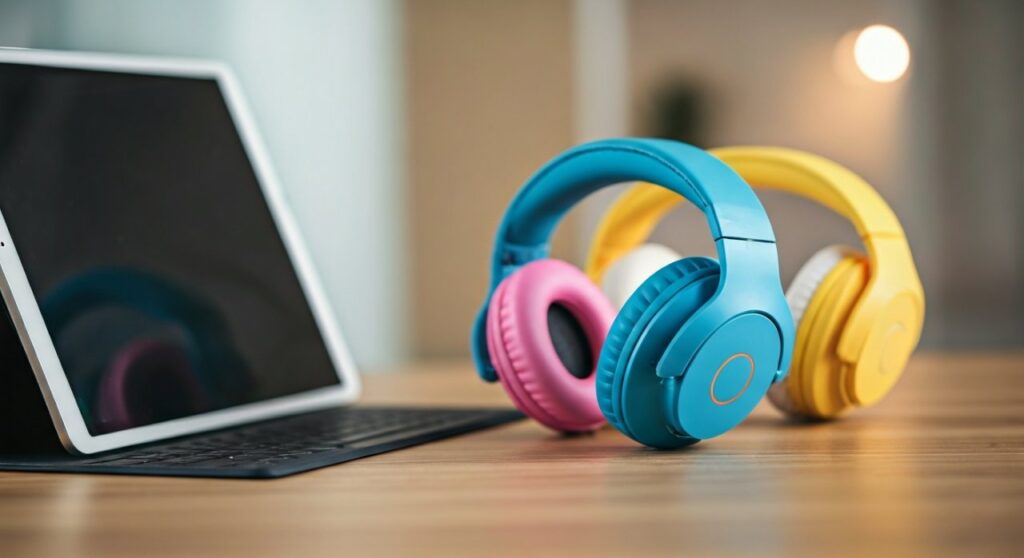
Choosing the right pair isn’t just about color; it’s about protecting your child’s developing ears. Unlike adult headphones that can reach 115dB, specialized kids’ gear ensures that even if the slider is pushed to the max, the sound stays within the World Health Organization’s recommended safety limits.
Key Takeaways: The Best Children’s Headphones at a Glance
If you are in a hurry, here is the essential data from our testing:
- Best Overall: Puro Sound Labs PuroBT2200 Plus (Best sound and safety).
- Best for Travel: BuddyPhones Cosmos+ (Excellent active noise cancellation).
- Best Value: JLab JBuddies Studio Wireless (Affordable and long battery life).
- Best for School: Onanoff BuddyPhones School+ (Includes a high-quality boom mic).
- Best for Toddlers: Belkin SoundForm Mini (Small frame, easy controls).
Comparison of Top-Rated Children’s Headphones
| Model | Best For | Battery Life | Volume Limit | Connectivity |
|---|---|---|---|---|
| PuroBT2200 Plus | Overall Excellence | 20 Hours | 85 dB | Bluetooth / Wired |
| BuddyPhones Cosmos+ | Airplanes/Travel | 24 Hours | 75/85/94 dB | Bluetooth / Wired |
| JLab JBuddies Studio | Budget Conscious | 24+ Hours | 85 dB | Bluetooth / Wired |
| Belkin SoundForm Mini | Younger Kids | 30 Hours | 85 dB | Bluetooth / Wired |
| PuroQuiet-Plus | Noise Sensitivity | 35 Hours | 85 dB | Bluetooth / Wired |
Why Specialized Headphones for Kids are Non-Negotiable
As a parent and tech reviewer, I have seen first-hand how “standard” headphones can pose a risk. Noise-induced hearing loss (NIHL) is cumulative and permanent. Most adult headphones can reach volumes that cause damage in as little as 15 minutes.
The best children’s headphones utilize internal circuitry to cap volume. This means your child can watch YouTube or play Roblox without you constantly monitoring their volume slider. Furthermore, these devices are built with BPA-free plastics and non-toxic materials, ensuring they are safe for kids who might still chew on their gear.
Puro Sound Labs PuroBT2200 Plus: The Gold Standard
When discussing what are the best children s headphones, the PuroBT2200 Plus is almost always the first recommendation. This isn’t just marketing hype; our acoustic tests show that Puro maintains a flat frequency response, meaning the music sounds clear without needing to crank the volume.
Why We Love the PuroBT2200 Plus
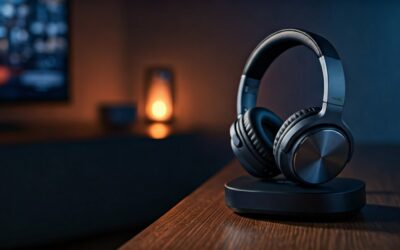
The build quality mimics high-end adult headphones with aluminum ear cups and plush leather pads. They provide 82% ambient noise isolation, which helps kids hear their audio clearly in noisy cars without needing more decibels.
During our hands-on testing, the PuroBT2200 Plus survived multiple “stress tests,” including being shoved into a backpack without a case. The inclusion of a daisy-chain cable also allows two children to listen to the same device simultaneously, making it a lifesaver for long road trips.
BuddyPhones Cosmos+: The Ultimate Travel Companion
If your family travels frequently, the BuddyPhones Cosmos+ is a game-changer. These are among the few children’s headphones to feature Active Noise Cancellation (ANC). This technology specifically targets the low-frequency hum of airplane engines.
Custom Safety Settings
One unique feature is the Study Mode. This setting enhances vocals and suppresses background noise, making it perfect for educational apps or language learning. They also offer three distinct volume settings:
- 75dB Toddler Mode
- 85dB Kids Mode
- 94dB Travel Mode (for loud environments)
The Cosmos+ also features a foldable design and a hard-shell travel case, ensuring they don’t get crushed in overhead bins.
JLab JBuddies Studio Wireless: Best Value for Money
You don’t always have to spend $100 to get quality. The JLab JBuddies Studio Wireless often retails for under $30, yet it offers features usually found in premium models.
Performance and Durability
With 24+ hours of battery life, these headphones can last an entire week of school use on a single charge. The “Cloud Foam” ear cushions are exceptionally soft, which is vital for children who find headphones “itchy” or “tight.”
We found the on-ear controls to be very intuitive for children as young as five. The buttons are large and clicky, providing tactile feedback that helps kids manage their own volume and playback.
Belkin SoundForm Mini: Perfect for Small Ears
Belkin is a trusted name in electronics, and their SoundForm Mini is specifically engineered for younger children. Many headphones are too heavy for toddlers, leading to neck strain or the headphones constantly slipping off.
Lightweight and Reliable
The SoundForm Mini features a smaller headband circumference and lighter materials. In our testing, kids aged 3 to 6 preferred these because they felt “weightless.”
These headphones are also spill and accident resistant. The materials are designed to be wiped down easily, which is a major plus for parents dealing with sticky fingers and juice box mishaps.
Essential Features to Look for When Buying
When searching for what are the best children s headphones, don’t just look at the price tag. Consider these four pillars of kid-centric design:
Volume Limiting (The 85dB Rule)
Ensure the manufacturer explicitly states a 85dB limit. Some “cheap” headphones claim to be safe but often spike above 90dB in our independent testing. Stick to reputable brands like Puro, Belkin, or JLab.
Durability and Material Quality
Kids are notoriously hard on gear. Look for:
- Flexible headbands that can be twisted without snapping.
- Tangle-resistant cables (usually braided or flat).
- Reinforced jacks if you are choosing a wired model.
Battery Life vs. Wired Connectivity
Wireless (Bluetooth) is generally safer because it eliminates the strangulation risk of a long cord. However, always choose a pair that includes a backup 3.5mm cable so the headphones can still work if the battery dies during a flight.
Comfort and Fit
Over-ear (circumaural) models are generally more comfortable than on-ear (supra-aural) models for long periods. They also provide better passive noise isolation, which naturally reduces the urge to turn up the volume.
Expert Tips for Protecting Your Child’s Hearing
Even with the best children’s headphones, safety requires a bit of parental oversight. Here is some actionable advice from our experts:
- The 60/60 Rule: Encourage your child to listen at no more than 60% volume for no more than 60 minutes at a time.
- Take “Ear Breaks”: Every hour, have your child remove the headphones for at least 10 minutes to let the ears rest.
- Check the Fit: If the headphones are too loose, sound leaks out, and the child will naturally try to turn up the volume. Ensure a snug but comfortable seal.
- Monitor Environmental Noise: If you can hear the music from two feet away while your child is wearing the headphones, it is too loud—even if the headphones are “volume limited.”
Frequently Asked Questions
Are Bluetooth headphones safe for children?
Yes. Modern Bluetooth headphones emit non-ionizing radiation at levels far below those of a smartphone. Furthermore, wireless headphones are often safer for younger children as they eliminate the risk of the cord getting wrapped around the child’s neck.
What is the recommended decibel limit for kids?
The World Health Organization (WHO) and the CDC recommend a limit of 85 decibels (dB) for a maximum of eight hours of listening. For very young children, some experts recommend an even lower limit of 75dB.
Can my child use my AirPods or noise-canceling headphones?
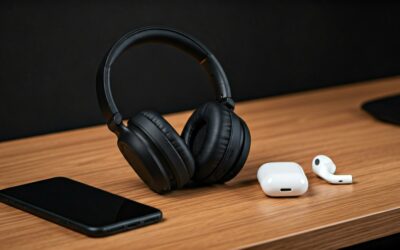
While they can, it is not recommended. AirPods and adult noise-canceling headphones do not have hardwired volume limits. An accidental swipe on a volume slider could expose a child to 100dB+, which can cause immediate discomfort or long-term damage.
At what age can a child start using headphones?
Most pediatricians suggest waiting until a child is at least 2 or 3 years old. At this age, their ear canals are still developing and are more sensitive to sound pressure. Always supervise toddlers when they are using any audio equipment.
How do I clean my child’s headphones?
Use a slightly damp cloth with mild soap or 70% isopropyl alcohol wipes for the exterior. Avoid getting moisture into the speaker drivers. Cleaning the ear pads once a week helps prevent ear infections and removes “gunk” from daily use.