For lawn mowers equipment, the most important decision is choosing the right power and cutting format for your yard, not simply buying the biggest machine. A gas mower can handle broad cutting paths and offers unrestricted runtime, while a corded electric mower can be lighter and quieter but ties you to an outdoor outlet. A push reel mower avoids fuel, batteries, and electrical cords altogether, although it requires more physical effort and is less suited to overgrown grass.
This guide is for homeowners replacing an old mower, first-time buyers setting up basic yard care, and anyone trying to decide between gas, corded electric, and motorless equipment. We cover 7 products and compare cutting width, power source, height adjustment, collection and discharge options, maneuverability, storage, and the limitations that matter in everyday use. The selection includes buyers who want a full-size walk-behind mower, people with smaller lawns, shoppers seeking a lighter machine, and homeowners who prefer the quietest and simplest possible approach. If you need a different format, our guide to top-rated residential riding lawn mowers is a useful next step.
Our Top Picks for 2026
- Best Overall: PowerSmart EasyGlide 21-Inch Gas Lawn Mower, 144cc 4-Stroke OHV Engine, Push Walk-Behind, 3-in-1 Mulch/Bag/Side Discharge, Steel Deck, 6 Height Adjustment, because it combines a full-size steel deck, three mowing modes, and six cutting positions. It is a gas mower, so it is not the simplest choice for buyers who want low-maintenance electric operation.
- Best Value: LawnMaster LMRM1401 Push Reel Lawn Mower 14-Inch 5-Blade, because its motorless design avoids gas, batteries, and cords while still offering four cutting heights. Its narrow deck and manual operation are less practical for large or frequently overgrown lawns.
- Best for Small Yards and Easy Storage: EWORK Corded Electric Lawn Mower 14-Inch, 11Amp Electric Push Mower with 30L Collection Bag, 4-Height Adjustment, Lightweight Lawnmower for Garden, Yard, because its 17.6-pound design, folding handle, and collection bag suit compact spaces. The power cord restricts where you can mow and requires careful cord management.
- Best for Mulching and Side Discharge: AMERISUN 21-Inch 2-in-1 Gas Push Lawn Mower, 144cc OHV Walk-Behind Mower for Yard, Mulching Side Discharge, 1.5–3.9 in Adjustable Cutting Height, 10-in Rear Wheels, because it offers a full 21-inch deck and gas power with a choice between mulching and side discharge. It does not include bagging, so it is a poor fit if collecting clippings is important.

Pros
- Corded operation avoids gasoline and battery charging
- Five height settings allow more control over the finished grass height
- Large rear wheels are listed to help navigation around the lawn
- Collection bag reduces the need to leave clippings on the lawn
- Folding handles and 28-pound weight suit compact storage needs
Cons
- A power cord restricts use to areas within reach of a suitable outlet
- The 14-inch cutting width may require more passes on larger lawns
- The supplied data does not specify cord length, warranty terms or terrain limitations
LawnMaster MEB1114K is designed for homeowners who want a compact corded mower for a smaller or outlet-accessible lawn. Its 28-pound weight, 14-inch cutting width and five height settings make it approachable for routine mowing, though the power cord creates a practical range limitation.
The mower is listed with an 11-amp motor producing 3,300 RPM, providing a defined power specification without a claim about results on particular grass types. Its 14-inch cutting width favors controlled maneuvering and can help around tighter spaces, though a narrower deck generally means more passes across a larger yard.
Cut height can be changed across five positions from 1.4 to 3 inches. That range gives the owner several options for the desired lawn finish, while the 7-gallon collection bag provides a place for clippings instead of leaving them behind. The supplied information does not say how full-bag handling or emptying works.
At 28 pounds, the mower is positioned as lightweight, and the rear wheels are listed at 7.75 inches for easier navigation. Folding push handles are intended to make storage more compact. Corded operation eliminates fuel and battery management, but users must have access to a suitable outlet and manage the cord while mowing.
The strongest reason to choose the MEB1114K is its combination of low listed weight, adjustable height and bagging in a simple electric format. The main reason to hesitate is the cord, compounded by the relatively narrow deck for expansive lawns. Choose a cordless or gas mower type if outlet access or unrestricted range matters more than compact storage.
Corded 11-Amp Motor: The 11-amp electric motor avoids gasoline and battery charging because the LawnMaster MEB1114K draws power through a cord. That can make routine operation simpler for users with a suitable outlet nearby, though cord placement and available reach remain important limitations.
Fourteen-Inch Cutting Width: The 14-inch deck offers a relatively compact mowing path, which can help with maneuvering in tighter lawn areas. It may suit smaller yards or detailed spaces, though buyers with broad open areas should expect more passes than with a wider mower.
Five Height Positions: Five settings between 1.4 and 3 inches let owners select among several cutting heights. This is useful when a fixed-height mower would not match the preferred finish, though the supplied data does not explain the adjustment mechanism.
Seven-Gallon Collection Bag: The 7-gallon bag gathers grass clippings, which can reduce cleanup and leave a neater lawn. It suits buyers who want collection rather than discharge, though the listing does not provide a bag-full indicator or emptying details.
Folding Lightweight Design: The 28-pound weight and folding handles can make storage and basic repositioning easier. That convenience benefits users with limited storage space, though lightweight construction alone does not establish suitability for every slope or grass condition.
LawnMaster MEB1114K Real Limitations:
- Cord dependence: Buyers without a conveniently located outdoor outlet may find the mower impractical for the whole lawn.
- Narrow cutting path: Buyers with larger lawns may spend more time making passes because the listed cutting width is 14 inches.
- Unstated operating details: Buyers who need cord length or terrain guidance cannot determine those points from the supplied data.
Before You Buy, Verify These:
- Confirm the available outlet and cord arrangement if the entire mowing area must be reached.
- Confirm whether the 14-inch cutting width suits your lawn size if mowing time is a priority.
- Confirm cord length and any terrain restrictions if your yard has distant or uneven sections.
Still the Right Pick If: LawnMaster MEB1114K remains a good fit for a homeowner with outlet access who values low weight, compact storage, adjustable height and clipping collection over unrestricted mowing range.

Pros
- Homeowners wanting flexible clipping management can choose among mulch, bag, and side discharge because all three functions are listed, though the data does not explain changeover steps.
- The auto choke and primer structure are intended to support starting because both are specified, though hands-on starting performance is not established.
- The 21-inch deck may balance pass width and push operation for routine mowing because the deck size is supplied, though yard coverage depends on conditions.
- Six height positions cover a stated 1.5- to 3.9-inch range because the description provides those figures, though the preferred setting for a particular lawn is not determined.
- Ball-bearing wheels may help control because the product identifies double ball-bearing construction, though wheel replacement information is absent.
Cons
- Gas ownership brings fuel and engine-maintenance questions, but fuel type, oil requirements, and service intervals are not supplied.
- The mower's operating and storage dimensions are missing, as are details about handle folding or storage position.
- Bag capacity, included accessories, cleaning guidance, and replacement-part availability should be verified.
PowerSmart EasyGlide 21-Inch Gas Lawn Mower is intended for homeowners mowing ordinary residential grass who want a conventional walk-behind machine with multiple clipping options. Its strongest convenience is the choice of mulching, bagging, or side discharge because the product data lists a 3-in-1 mowing system, though fuel, oil, and maintenance requirements are not supplied.
The 144cc 4-stroke OHV engine supplies the stated power source, while the 21-inch steel deck defines the mower’s cutting width. For an owner who alternates between returning fine clippings, collecting them, and moving them aside, the three modes can reduce the need for separate equipment, though the bag capacity and included bagging components are not identified. The manufacturer also describes the deck and body as durable, but that is not independent durability evidence.
Cutting height is handled by a single lever with six positions from 1.5 to 3.9 inches. That range gives an owner specific adjustment points rather than an unspecified control, though the product data does not explain how easily the lever changes or which setting fits a particular lawn. The auto choke and primer structure are intended to assist starting, though actual starting effort has not been tested.
Movement is supported by listed 10-inch rear and 7-inch front double ball-bearing wheels. That hardware may be useful when pushing around a yard, though terrain, slopes, wheel traction, and total mower weight are not provided. Gas operation also means buyers need a storage and fueling plan, but the supplied description does not address fuel storage, oil changes, deck cleaning, or winter preparation.
Buy this mower if you want three clipping choices and can manage gasoline-engine ownership. Avoid it if you specifically need confirmed low-maintenance operation or battery power. Verify fuel and oil specifications, bag capacity, mower dimensions, handle storage, cleaning access, replacement parts, and service intervals before purchase.
Best Ownership Fit: PowerSmart EasyGlide 21-Inch Gas Lawn Mower suits homeowners who regularly mow residential grass and want a push mower with selectable clipping management because it offers a 144cc engine and three discharge modes, though yard size and terrain suitability are not supplied.
Daily Workflow: The mower supports choosing mulch, bag, or side discharge and selecting one of six cutting heights because those controls are listed, though the exact setup and operating sequence are not provided.
Likely Friction: Fuel and engine care are the main ownership burdens because this is a gas-powered four-stroke mower, though fuel type, oil specification, maintenance schedule, and storage procedure are missing.
Before You Buy: Verify fuel and oil requirements, bag capacity and included accessories, operating and folded dimensions, total weight, cleaning instructions, replacement blade availability, and service support.
This Is NOT For: This PowerSmart mower may not suit apartment or condo owners without approved fuel storage because it uses a gas engine. It may also create friction for households wanting immediate, maintenance-light mowing without confirming oil, fuel, and seasonal storage tasks.
Setup Difficulty: PowerSmart EasyGlide 21-Inch Gas Lawn Mower is likely aimed at owners comfortable with a push walk-behind gas mower because it uses a 144cc 4-stroke OHV engine and starting controls, though assembly and initial fluid instructions are not supplied.
Starting and Cutting Controls: The mower includes an auto choke and primer structure because the description identifies both, while a single lever selects six cutting positions from 1.5 to 3.9 inches. Confirm the starting sequence and height-adjustment procedure in the manufacturer instructions.
Clipping Management: Mulching, bagging, and side discharge are listed functions because the mower is described as 3-in-1, though the data does not specify how attachments are installed, how the bag is emptied, or what accessories are included.
Cleaning and Engine Care: The supplied information does not state oil type, fuel requirements, deck-cleaning method, blade service, air-filter care, or seasonal storage steps. Verify these maintenance details and replacement-part sources before purchase.
Storage: Storage dimensions and handle-folding information are not supplied, so buyers should confirm the required space and any fuel-storage guidance with the manufacturer.

Pros
- The three-tool package can simplify buying for homeowners starting a cordless yard system.
- Two batteries offer more scheduling flexibility than a single-battery kit.
- Three mower discharge options accommodate different clipping-handling preferences.
- The hand-push design may appeal to buyers who prefer a conventional mower feel and control.
- A variable-speed trigger gives the trimmer more control for edging and detail work.
Cons
- The mower is hand-push rather than self-propelled, which may be tiring on slopes or for users with limited strength.
- The 2.0Ah batteries have less stated capacity than larger battery options, and runtime is not supplied.
- The data does not state the blower's airflow rating, charging time, or the trimmer's included line details.
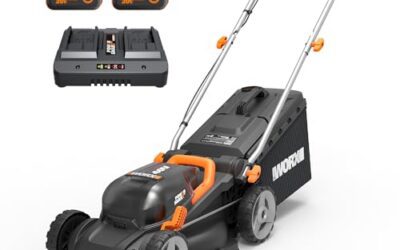
Greenworks 80V 21-inch Mower/Blower/Trimmer Kit is a practical choice for homeowners building a cordless yard-care setup, because it combines a mower, blower, 13-inch string trimmer, two 2.0Ah batteries, and a rapid charger. The main qualification is the hand-push mower and missing runtime information, which may matter on larger or sloped properties.
The 21-inch mower uses a steel deck and offers three clipping options: mulching, rear bagging, and side discharge. That gives owners flexibility as lawn conditions and cleanup preferences change. Seven-position height adjustment adds further control, although the supplied data does not state the actual cutting-height range or bag capacity.
The included 13-inch string trimmer is aimed at finishing areas a mower cannot reach. Its variable-speed trigger can help users moderate trimming power for different tasks, while LED lights may assist in lower-light conditions. The product data does not identify line diameter, spool capacity, or whether extra trimmer line is included.
Two 2.0Ah batteries and a 4A rapid charger make the package more flexible than a one-battery setup, since one battery can charge while the other is used. However, no tool-specific runtime is supplied, and the smaller battery capacity may require careful planning during longer mowing or cleanup sessions.
The strongest reason to choose this Greenworks kit is the breadth of the package: one mower, blower, and trimmer cover the basic lawn-care workflow. The main reason to hesitate is the hand-push design combined with unspecified runtime. Buyers with steep terrain, large lawns, or limited pushing strength should consider a self-propelled mower kit or a higher-capacity battery system.
Three-in-One Mowing: Mulching, rear bagging, and side discharge allow the Greenworks 80V 21-inch mower to handle clippings in different ways. This is useful for homeowners who change cleanup preferences through the season, though the supplied data does not give bag capacity or detailed mode-change instructions.
Two 2.0Ah Batteries: The pair of batteries provides a second power source for rotation between tools and charging. That can reduce waiting compared with a single-battery package, but actual runtime is not stated and may be limited during demanding, continuous mowing.
13-Inch String Trimmer: The included trimmer covers grass and edging work around areas the mower cannot reach. Its narrower working width can help with detail work, while the listing's variable-speed trigger offers control. Line specifications and runtime are not provided.
Variable-Speed Trigger: Trigger control lets the user adjust trimming operation rather than relying only on an all-or-nothing input. This may help with delicate areas or controlled edging, though the product data does not state the available speed range or control behavior.
Vertical Storage: Vertical storage can reduce the floor space needed for the mower when stored properly. It may benefit homeowners with compact garages or sheds, but folded dimensions and storage requirements are not listed.
Best For: Greenworks 80V 21-inch Mower/Blower/Trimmer Kit is best for homeowners who want three core cordless lawn tools in one package and can comfortably use a hand-push mower. Two 2.0Ah batteries add scheduling flexibility, though the supplied data does not establish total job runtime.
Consider Alternatives If: Choose a self-propelled mower kit if slopes, large areas, or limited pushing strength are concerns. A package with higher-capacity batteries may be more suitable for long uninterrupted sessions, while a smaller mower may better fit very compact lawns.
Setup and Daily Use: The expected workflow is to charge the included batteries, mow using one of three clipping modes, then use the blower and 13-inch trimmer for cleanup and edges. Detailed assembly, charging-time, and tool-change instructions are not supplied.
Maintenance Requirements: The data supports general attention to the mower, blower, and trimmer as separate yard tools, but it does not specify cleaning procedures, blade care, line replacement, or storage conditions. Buyers should follow the included manufacturer guidance for those tasks.
What Sets It Apart: The package's distinguishing feature is its combination of three tools with two batteries and a 4A charger. That is convenient for a new cordless setup, though buyers who already own compatible batteries or need self-propelled assistance may find a different configuration more appropriate.
Greenworks 80V 21-inch Mower/Blower/Trimmer Kit Real Limitations:
- Hand-push mower: This affects users who need powered assistance on slopes, rough ground, or larger lawns.
- Unspecified runtime: This affects buyers who need to finish mowing, trimming, and blowing without recharging.
- Smaller 2.0Ah batteries: This affects owners expecting the capacity of larger battery packs for extended work.
Before You Buy, Verify These:
- Confirm expected runtime for each tool with the manufacturer if your yard requires a single continuous session.
- Confirm whether the mower bag and desired trimmer accessories are included if rear bagging or specific line maintenance is required.
- Confirm warranty terms and battery coverage if long-term support is central to the purchase.
Still the Right Pick If: Greenworks 80V 21-inch Mower/Blower/Trimmer Kit is a sensible fit for homeowners who want a versatile three-tool cordless package and are comfortable managing a hand-push mower with battery capacity planning.

Pros
- Motorless operation reduces dependence on fuel, batteries, and electrical charging.
- Five hardened steel blades support a clean-cutting design for homeowners focused on lawn appearance.
- Four height settings provide more control than a fixed-height reel mower.
- Large 10-inch front wheels can make manual steering and lawn navigation more manageable.
- The compact 14-inch width may be easier to control around smaller yards and landscaped areas.
Cons
- The 14-inch cutting width may require extra passes on larger lawns, which can make mowing more time-consuming.
- Manual pushing requires the operator to provide all the mowing force, so it may not suit users seeking powered convenience.
- The available cutting range ends at 2.5 inches, which may not fit every preferred grass height or lawn-care routine.
LawnMaster LMRM1401 is best for homeowners with smaller lawns who want a quiet, motorless way to handle routine grass cutting. Its five-blade reel and adjustable height make it worth considering for controlled mowing, though the 14-inch deck means larger yards may require more passes.
The main appeal is the reel-cutting design: the manufacturer describes the blades as producing a scissor-like cut without ripping or tearing grass blades. That design may appeal to lawn owners who prioritize a neat cutting method, though the supplied data does not independently verify long-term lawn-health results.
Four cutting positions spanning 1 to 2.5 inches give users useful control over mowing height, while the 14-inch cutting width keeps the mower relatively focused for navigating a lawn. Ten-inch front wheels are intended to support maneuverability, although the data does not specify the mower's total weight or how it handles uneven terrain.
The biggest compromise is the manual format. Since this mower has no gas engine or battery, it avoids fuel and charging concerns, but the user must push it across the lawn. The narrower cutting width can also mean more passes, so a powered or wider mower may be more practical for expansive yards or users who want faster coverage.
The strongest reason to buy the LawnMaster LMRM1401 is its straightforward, motorless approach combined with adjustable cutting height and hardened steel blades. The main reason to hesitate is the physical effort and limited 14-inch coverage. Choose another product type if your priority is powered convenience, faster mowing of a large lawn, or a cutting height outside the listed range.
Five-Blade Reel: The five-blade reel is intended to cut grass with a scissor-like action rather than ripping or tearing. That matters to buyers who want a deliberate reel-mowing approach and a tidy-looking lawn, though the supplied information does not establish how the cut performs across every grass type or condition.
Adjustable Cutting Height: Four positions between 1 and 2.5 inches let homeowners select a preferred mowing height instead of using one fixed setting. This helps accommodate different lawn-care preferences, though buyers who routinely maintain grass above or below that range should consider another mower.
14-Inch Cutting Width: The 14-inch width keeps each mowing pass relatively narrow, which can help with controlled movement around a smaller lawn. The trade-off is coverage: a narrow deck may require more passes than a wider mower, so it is less appealing for large areas.
10-Inch Front Wheels: The large front wheels are designed to improve maneuverability around the lawn. This can benefit users working around landscaped sections or tighter spaces, though the product data does not specify performance on slopes, rough ground, or thick grass.
Motorless Design: Operation requires no gas or batteries, which removes fuel storage and battery charging from ownership. That makes the mower appealing to users seeking a simple manual tool, though it also means the operator supplies the pushing effort rather than relying on powered movement.
Hardened Steel Blades: The blades are described as hardened steel and designed for durability. This may appeal to buyers looking for a reel mower built around a durable cutting assembly, though no warranty, sharpening interval, or independently verified service life is supplied.
Best For: The LawnMaster LMRM1401 suits homeowners who prefer manual mowing and have a lawn where a 14-inch cutting path is manageable. Its motorless design avoids gas and batteries, while four height settings provide flexibility, though users still need to supply the physical effort required to push the mower.
Consider Alternatives If: Consider a powered mower if reducing physical exertion is more important than avoiding fuel or batteries, because this reel mower depends on manual pushing. A wider mower may also be more suitable for large lawns, since the 14-inch cutting width can require more passes.
Setup and Daily Use: Daily use centers on pushing the mower across the lawn and selecting one of its four cutting positions from 1 to 2.5 inches. The 10-inch front wheels are intended to aid navigation, though the supplied information does not describe assembly steps, grass-condition limits, or collection accessories.
What Sets It Apart: The LawnMaster LMRM1401 combines a five-blade reel, adjustable height, and motorless operation in a compact 14-inch format. That positioning favors buyers who want a simple manual cutting tool, while buyers seeking powered speed, wider coverage, or a different height range may be better served elsewhere.

Pros
- The corded electric design avoids battery charging and fuel handling for owners with a suitable outdoor power setup, though cord management remains necessary.
- The 14-inch deck may suit small lawns and tight areas, though coverage speed on larger yards is not established.
- Four height settings help households vary cut height across seasons, though no mowing guidance is included.
- A double safety switch and overload protection are specified, though complete safety instructions are not supplied.
- The collection bag supports owners who want to gather clippings instead of leaving them on the lawn, though emptying workflow is not described.
Cons
- The corded format requires a compatible outlet, a suitable cord, and ongoing cord management; cord length and power requirements beyond 11 amps are not supplied.
- The listing gives no mower dimensions, folded size, cord, or detailed assembly information.
- The 14-inch cutting width and 17.6-pound construction may be less suitable for large lawns, though a precise recommended yard size is not provided.
EWORK Corded Electric Lawn Mower 14-Inch is aimed at owners of small residential lawns who want a light push mower with bagging and adjustable cutting height, because the listing states a 17.6-pound weight, 14-inch deck, 30-liter collection bag, and four height settings, though mowing performance and ease of assembly are not independently verified. Its corded format avoids battery charging, but it shifts planning toward outlet access and cord handling.
The 11-amp, 3600 RPM copper motor is described as suitable for dense lawns because the manufacturer claims strong torque and quieter operation than gas engines. That may appeal to households seeking electric mowing without fuel storage, though no measured noise level, extension-cord guidance, or tested performance in wet or tall grass is supplied. Buyers should confirm the required power setup and use conditions before choosing it for demanding growth.
Cut-height flexibility affects routine lawn care because the single-lever system offers four stated settings from 1.3 to 2.6 inches. Owners can select among those levels rather than using one fixed height, though the data does not explain adjustment access, recommended settings, or how the mower behaves on uneven ground. The 14-inch width can be manageable around flower beds and tight corners, but the listing does not define a maximum lawn size.
Clippings can be collected in the stated 30-liter, approximately 8-gallon bag because bagging is a listed feature. This may reduce raking afterward, though filling frequency, bag-emptying steps, and replacement-bag availability are not provided. The double safety switch and overload protection are specified, while the foldable handle is intended to help storage; folded dimensions and the mower's complete footprint remain unknown.
Consider EWORK Corded Electric Lawn Mower 14-Inch for a small yard with practical outlet access and storage space for a folded mower. Avoid assuming it suits large properties or cord-free use, and verify cord requirements, mower and folded dimensions, assembly instructions, bag details, and manufacturer guidance for grass conditions before purchase.
Best Ownership Fit: EWORK Corded Electric Lawn Mower 14-Inch suits small residential yards and owners who prefer lightweight push equipment, because the mower is listed at 17.6 pounds with 5.5-inch wheels, though terrain handling and recommended lawn area are not supplied.
Daily Workflow: The stated routine is to connect the corded mower to a suitable power source, select one of four heights from 1.3 to 2.6 inches, mow, and collect clippings in the 30-liter bag, though cord length and operating instructions require verification.
Likely Friction: The cord is the main recurring burden because this is a corded mower and the listing does not state cord length, extension-cord guidance, or outlet requirements beyond the 11-amp motor description.
Before You Buy: Verify the required outlet and cord specifications, mower and folded dimensions, assembly contents, collection-bag replacement availability, and whether the 14-inch deck suits the size and terrain of your lawn.
This Is NOT For: EWORK Corded Electric Lawn Mower 14-Inch is not a strong fit for large properties with distant or limited outlets, because repeated mowing would involve cord routing and the supplied data does not establish coverage limits.
Setup Difficulty: EWORK Corded Electric Lawn Mower 14-Inch is described as assembling in minutes because the listing calls out quick assembly, though the required steps, tools, and included cord are not specified.
Controls: A single-lever system provides four height settings from 1.3 to 2.6 inches, while a double safety switch and overload protection are listed, though the operating sequence and safety instructions should be confirmed in the manual.
Clipping Management: The stated 30-liter collection bag is intended to gather grass during mowing, though filling indicators, emptying instructions, cleaning access, and replacement-bag availability are not supplied.
Storage: The handle folds to support compact storage because folding is a listed feature, though the folded dimensions and recommended storage conditions are not provided. Verify those measurements before assigning shelf or shed space.

Pros
- A 21-inch cutting width suits homeowners who want to cover a residential lawn in fewer passes, though actual mowing time is not supplied.
- Mulching and side discharge benefit users who want flexible clipping handling, though the available data does not include a collection mode.
- Six height settings help homeowners adapt the cut to changing grass conditions, though the product data does not explain which setting fits each condition.
- Larger 10-inch rear wheels may help users maintain control while pushing, though terrain performance is not independently verified.
- The 144cc OHV four-stroke engine gives regular-yard users a specified gas-powered option, though fuel capacity and noise information are unavailable.
Cons
- The push-drive configuration may not suit buyers who want powered forward assistance on slopes or larger lawns.
- The product data lists mulching and side discharge but does not list a grass-catching bag, which may matter to buyers who want collected clippings.
- No specifications, maintenance schedule, fuel details, or customer review comments are supplied, limiting confidence about ownership requirements and long-term use.
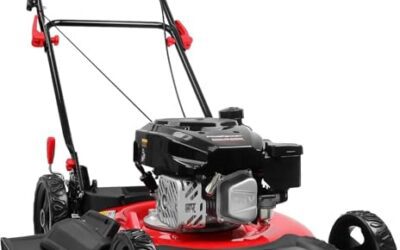
AMERISUN 21-Inch 2-in-1 Gas Push Lawn Mower is a practical fit for homeowners maintaining a residential yard because its 144cc OHV four-stroke engine and 21-inch cutting width are specified for regular mowing, though the supplied data does not establish performance on a particular lawn size or grass type. The mower deserves consideration for buyers who want clipping flexibility, though its push-drive format may be a drawback for anyone seeking self-propelled assistance.
The two-in-one system supports mulching and side discharge because both functions are identified in the product data, though a bagging mode is not listed. Six cutting positions span 1.5 to 3.9 inches, giving users room to change the cutting height as grass conditions change, though no guidance explains which position to choose. The 21-inch width can reduce the number of passes compared with a narrower deck, though the data does not provide a measured mowing rate.
Daily operation uses push control, a recoil start, and an engine start/stop control because those controls are specifically described, though assembly steps and maintenance procedures are missing. The wheel layout includes 7-inch front wheels and 10-inch rear wheels, which may help users guide the mower through ordinary yard work, though no terrain or slope rating is supplied. Fuel capacity, discharge distance, storage dimensions, and noise level are also not provided.
AMERISUN 21-Inch 2-in-1 Gas Push Lawn Mower is worth considering for homeowners who want a specified gas engine, adjustable height, and two clipping options because those capabilities are documented, though customer reviews and durability evidence are absent. Buyers who need self-propelled movement, grass collection, or detailed maintenance specifications should compare a different mower type with those features clearly documented.
Best For: Homeowners seeking a push gas mower for routine residential yard mowing.
Why It Fits: AMERISUN 21-Inch 2-in-1 Gas Push Lawn Mower combines a specified 144cc OHV four-stroke engine, 21-inch cutting width, and mulching or side-discharge functions, though no lawn-size recommendation is supplied.
Think Twice If: You need self-propelled assistance, grass collection, or verified slope capability because those features are not listed.
Bottom Line: Choose AMERISUN 21-Inch 2-in-1 Gas Push Lawn Mower for adjustable, two-mode residential mowing, though ownership details are limited.
Buy It If: You need regular residential mowing and adjustable cutting height with mulching or side discharge matters to you.
Skip It If: You need powered forward drive or a listed bagging system that this product cannot deliver based on supplied data.
Engine: The 144cc OHV four-stroke engine gives residential users a defined gas-powered mowing platform, though fuel and output details beyond displacement are not supplied.
Clipping Options: Mulching and side discharge provide two stated ways to manage clippings, though collection is not identified.
Height Control: Six positions from 1.5 to 3.9 inches support cut-height changes, though recommended settings are not provided.
Wheel Layout: Seven-inch front wheels and 10-inch rear wheels support push control, though performance on uneven ground is not documented.
Pros
- Gas engine avoids battery runtime limits during a mowing session
- Wide 21-inch deck can make routine suburban mowing more efficient
- Single-lever height adjustment simplifies changing the cut for seasonal conditions
- Included side-discharge chute supports handling longer grass and clippings
- Foldable handle helps owners store the mower in a garage or shed
Cons
- Push operation may be tiring for buyers who need self-propelled assistance
- Recoil starting and gas-powered operation require more involvement than a cordless mower
- The supplied data does not state bagging capability, fuel capacity, noise level, or warranty terms
AMERISUN 21″ Gas Lawn Mower is designed for homeowners with small to medium residential yards who want a straightforward push mower with gas power. Its 144cc four-stroke engine and broad cutting deck make it a plausible everyday option, though buyers who prioritize effortless propulsion or cordless operation should look elsewhere.
The 21-inch steel deck is the central efficiency feature because it covers a relatively broad strip with each pass, potentially reducing time on a typical suburban lawn. Six cutting positions from 1.5 to 3.9 inches give owners useful control for varying grass types and conditions, though the data does not identify the adjustment mechanism beyond describing a single lever.
Clipping management is flexible rather than elaborate. The mower supports mulching and side discharge, and a side-discharge chute is included. Mulching can leave finely processed clippings on the lawn, while side discharge is more suited to moving cut grass away from the deck, though the product data does not mention a collection bag or bagging mode.
At 63 pounds, the mower is presented as lightweight for its class and includes a foldable handle for transport and seasonal storage. The recoil-start 144cc engine supplies gas-powered operation without a stated battery runtime limit, but it also means users accept fuel handling, engine starting, and routine gas-mower ownership rather than the simpler controls of a cordless model.
The strongest reason to buy the AMERISUN is its combination of a 21-inch deck, adjustable cutting height, and two clipping options for ordinary residential lawns. The main reason to hesitate is push-only operation plus unspecified details such as fuel capacity and bagging. Choose a self-propelled mower for hills or larger demanding yards, or a cordless model for lower-maintenance operation.
144cc Four-Stroke Engine: The AMERISUN 21″ Gas Lawn Mower uses a 144cc four-stroke OHV engine, giving homeowners a gas-powered option for small to medium yards. The stated easy recoil start supports familiar operation, though starting effort and engine care remain considerations for buyers comparing it with cordless equipment.
21-Inch Steel Deck: The 21-inch steel deck can shorten mowing time by covering more lawn per pass than a narrower deck. That width fits the product's intended suburban use, though tight planting beds and narrow gates may favor a smaller mower.
Six Cutting Heights: Six positions spanning 1.5 to 3.9 inches let owners adapt the cut to grass type and seasonal conditions. The range offers practical flexibility, though the supplied data does not explain the exact adjustment layout or whether both sides move together.
Mulch and Side Discharge: Two clipping options let users either return processed clippings to the lawn or direct them away through the included chute. This is useful when conditions change, though no bagging function is listed for buyers who want collected clippings.
Foldable Handle: The foldable handle makes the 63-pound push mower easier to store in a garage or shed. It helps with storage footprint, though it does not remove the physical effort of pushing the mower across the yard.
AMERISUN 21″ Gas Lawn Mower Real Limitations:
- Push-only format: Buyers mowing slopes or larger areas may prefer self-propelled assistance rather than supplying all forward motion.
- Gas ownership: Users seeking quiet, low-maintenance lawn care may prefer cordless operation over recoil starting and fuel handling.
- No listed bagging mode: Buyers who need collected clippings should not assume the mulching and side-discharge system includes a bag.
Before You Buy, Verify These:
- Confirm whether a grass bag or bagging accessory is supported if collecting clippings is required.
- Confirm fuel capacity and maintenance guidance if mowing time between refills matters.
- Confirm the warranty and included setup items with the manufacturer if support coverage is important.
Still the Right Pick If: The AMERISUN 21″ Gas Lawn Mower is a reasonable fit for buyers who want a conventional push mower for a small or medium yard and can accept gas-engine upkeep.
How We Evaluated
These recommendations are based on the supplied product specifications, relative positioning within the comparison field, and the customer-review evidence provided for each model. No hands-on testing, purchase, or independent durability testing is claimed here. Manufacturer-supplied descriptions tell us what each mower is designed to include; our editorial interpretation explains which buyers are most likely to benefit and where those features create compromises.
We considered six practical criteria. Power source matters because gas, corded electric, and motorless designs involve different runtime, maintenance, and mobility trade-offs. Cutting width affects how many passes you need, with 21-inch decks offering broader coverage than 14-inch decks. Height adjustment matters for adapting the cut to your lawn. Mulching, bagging, and side discharge determine how you handle clippings. Wheel design, machine weight, and handle configuration influence control and storage. Finally, we looked at safety and convenience features such as overload protection, folding handles, starting systems, and collection bags. A feature earned credit only when it appeared in the supplied product information.
Which Option Fits You?
| Buyer or use case | Recommended product | Key reason | Main limitation |
|---|---|---|---|
| Broad residential lawn with varied clipping needs | PowerSmart EasyGlide 21-Inch Gas Lawn Mower | 21-inch steel deck, 3-in-1 mowing, and six height positions | Gas power is less convenient than a motorless or corded design |
| Small lawn and lowest-complexity maintenance | LawnMaster LMRM1401 Push Reel Lawn Mower | No gas, battery, or cord, plus four cutting positions | Manual pushing and a 14-inch width take more passes |
| Lightweight mower for a compact yard | EWORK Corded Electric Lawn Mower | 17.6-pound body, folding handle, and collection bag | Requires an electrical cord and outlet access |
| Mulching or side discharge without a collection bag | AMERISUN 21-Inch 2-in-1 Gas Push Lawn Mower | 21-inch deck, 144cc OHV engine, and two clipping options | No bagging function |
| Users who prioritize quiet, non-fuel mowing | LawnMaster LMRM1401 Push Reel Lawn Mower | Motorless operation produces no engine or motor noise | Less suitable for tall or neglected grass |
Honest Trade-Offs: Flaws But Not Dealbreakers
PowerSmart EasyGlide 21-Inch Gas Lawn Mower, 144cc 4-Stroke OHV Engine, Push Walk-Behind, 3-in-1 Mulch/Bag/Side Discharge, Steel Deck, 6 Height Adjustment
The PowerSmart is the most versatile pick here, but its gas engine adds responsibilities that do not apply to the corded and reel models. You must use fuel and deal with the general storage and upkeep associated with a 144cc four-stroke engine. It is also a push mower, not a self-propelled model, so the operator supplies the effort on every pass. Those limitations matter most if you want a quiet, low-maintenance mower or have a physically demanding lawn. For most buyers seeking a full-size, flexible walk-behind mower, this is not a dealbreaker.
LawnMaster LMRM1401 Push Reel Lawn Mower 14-Inch 5-Blade
The LawnMaster has the simplest power system because it has no motor, gas, or battery, but that simplicity shifts the work to you. Its 14-inch cutting width means more passes than a 21-inch mower, and the reel format is better matched to regularly maintained grass than a lawn that has become tall or dense. The four height settings run from 1 inch to 2.5 inches, which may not suit every preferred cutting height. For most small-lawn buyers comfortable with manual mowing, this is not a dealbreaker.
EWORK Corded Electric Lawn Mower 14-Inch, 11Amp Electric Push Mower with 30L Collection Bag, 4-Height Adjustment, Lightweight Lawnmower for Garden, Yard
The EWORK’s 17.6-pound weight and folding handle make it appealing for storage and maneuvering, but the cord is its defining constraint. You need an outlet, enough cable to reach the entire mowing area, and a plan that keeps the cord away from the cutting path. Its 14-inch deck also favors smaller yards over broad open spaces. The supplied information lists overload protection and a double safety switch, but those features do not remove the practical inconvenience of cord management. For most compact-yard buyers who have suitable outlet access, this is not a dealbreaker.
AMERISUN 21-Inch 2-in-1 Gas Push Lawn Mower, 144cc OHV Walk-Behind Mower for Yard, Mulching Side Discharge, 1.5–3.9 in Adjustable Cutting Height, 10-in Rear Wheels
The AMERISUN gives you a broad 21-inch cutting path and two useful clipping modes, but the missing bagging option is a meaningful limitation. If you want to leave fine clippings on the lawn or discharge them to the side, that may be exactly the right configuration. If you routinely collect clippings for a tidy finish, it disqualifies this model before the engine or deck becomes relevant. It is also a push gas mower, so it is not the easiest choice for buyers seeking electric simplicity. For most mulching and side-discharge buyers, this is not a dealbreaker.
Other Products We Considered
The supplied product information supports four named models in enough detail to make a useful buyer-fit judgment, and each appears in the top-pick discussion for a distinct reason. The LawnMaster LMRM1401 is not a bad product simply because it lacks an engine; it is a specialized choice for maintained grass and smaller areas. The EWORK Corded Electric Lawn Mower is likewise a sensible lightweight option, but its cord can be a dealbreaker in yards without convenient outlet access. The AMERISUN 21-Inch 2-in-1 is a reasonable gas alternative when bagging is not needed, while the PowerSmart earns the broader recommendation because it adds bagging to mulching and side discharge.
The comparison shortcode includes additional products, but the supplied reference data does not provide their names, features, or review signals. We therefore do not invent reasons to rank or reject those models. If none of the featured options fit, compare the complete card information against your yard size, preferred power source, and clipping-management needs. For larger properties, our overview of top-of-the-line lawn mowers may help you identify a more specialized category.
Lawn Mowers Equipment Buying Guide
Choose the power source before comparing features
Choose gas when unrestricted movement and a broad cutting path matter more than the simplest maintenance routine. The PowerSmart and AMERISUN both use 144cc OHV gas engines and offer 21-inch decks, making them the natural fit for homeowners who do not want to manage a power cord.
Choose corded electric when your yard is compact and an outlet is easy to reach. The EWORK avoids gas and uses a lightweight 17.6-pound design, but its cord becomes a practical limitation in large or divided yards. Choose a reel mower when avoiding fuel, batteries, and cords is the priority and you are willing to provide the pushing effort.
Match deck width to the size and shape of your lawn
Choose a 21-inch deck for broader lawns where reducing the number of passes is important. Both featured gas mowers use that width, which can make them more efficient for open residential areas. A 14-inch mower makes more sense when maneuverability around beds, paths, and tight corners is more valuable than coverage per pass.
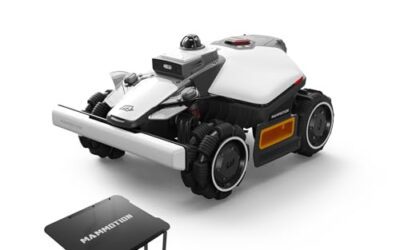
The smaller format does not automatically mean lower usefulness. The EWORK combines its 14-inch deck with a light body and small-yard-oriented storage advantages, while the LawnMaster uses a 14-inch reel for manual control. If you are shopping for an entirely different lawn size or mowing method, see our guide to robot mowers for small lawns before deciding.
Decide how you want to handle grass clippings
Choose bagging if you want to collect clippings rather than leave them on the lawn or discharge them to the side. The PowerSmart offers bagging as part of its 3-in-1 system, and the EWORK includes a 30L collection bag. These options are useful when lawn appearance and cleanup are higher priorities.
Choose mulching when you prefer to return finely cut clippings to the lawn, or side discharge when moving through taller grass without stopping to empty a bag. The AMERISUN is limited to those two modes, so it should not be your choice if collection is essential. The LawnMaster’s supplied information emphasizes its reel cut but does not list a bagging system.
Check height adjustment against your mowing habits
Look for a useful range of cutting heights and a simple adjustment method if you change mowing height through the season. The PowerSmart provides six positions from 1.5 to 3.9 inches, while the AMERISUN lists a 1.5 to 3.9-inch range. That flexibility gives these gas models an advantage for buyers who want more control over the finished height.
The EWORK provides four positions from 1.3 to 2.6 inches, and the LawnMaster provides four positions from 1 to 2.5 inches. Those ranges may be sufficient for smaller, regularly maintained lawns, but buyers who prefer a taller cut should verify that the available settings meet their needs. Do not assume that more height positions automatically mean a better cut; the usable range matters more.
Prioritize storage and maneuverability when space is limited
Choose a lightweight, foldable mower when storage and easy handling are central concerns. The EWORK is the clearest fit because its supplied specifications list a 17.6-pound weight and folding handle. Its 5.5-inch wheels are designed for maneuvering around tight corners, which is useful in compact gardens.
The LawnMaster also favors maneuverability with a 14-inch width and 10-inch front wheels, but it requires manual pushing. The gas models bring larger decks and larger rear wheels, including 10-inch rear wheels on the AMERISUN, but they are less obviously suited to carrying and tight storage. For riding options, consult the Lawn Mowers and Tractors category for a broader comparison.
Final Thoughts
The PowerSmart EasyGlide 21-Inch Gas Lawn Mower is the best overall choice in this comparison because it covers the needs of the widest range of residential buyers. Its 21-inch steel deck, 144cc four-stroke OHV engine, six cutting positions, and 3-in-1 mowing system give you useful flexibility from one machine. The trade-off is that gas ownership is less simple than using a corded mower or reel mower, and this is still a push model.
The LawnMaster LMRM1401 Push Reel Lawn Mower is the best value for the right kind of yard. It eliminates fuel, batteries, and cords, offers four height positions, and uses a 14-inch design that is easy to guide around landscaping. Its limitation is equally clear: manual mowing takes more effort and the narrow deck is not ideal for a large or neglected lawn.
For a specific use case, choose the EWORK Corded Electric Lawn Mower if you have a small yard, accessible outdoor power, and a strong preference for low weight and easy storage. Its collection bag, folding handle, and overload protection add practical convenience, but cord management is unavoidable. If you instead need a gas mower with mulching and side discharge and have no use for bagging, the AMERISUN 21-Inch 2-in-1 remains a sensible alternative. The right choice depends less on a universal winner than on whether your yard rewards coverage, simplicity, light handling, or clipping control.
Frequently Asked Questions
What is the best lawn mowers equipment in 2026?
The PowerSmart EasyGlide 21-Inch Gas Lawn Mower is the best overall lawn mowers equipment choice in this comparison because it combines a 21-inch steel deck, a 144cc four-stroke OHV engine, six height settings, and three clipping options. That combination suits homeowners who want one walk-behind mower for ordinary residential maintenance. It is not the best choice for everyone. A gas engine is less convenient than a corded electric or reel design, and the mower still requires manual pushing. Smaller yards may be better served by the lighter EWORK or the motorless LawnMaster.
What should I look for when buying a lawn mowers equipment?
When buying lawn mowers equipment, first match the power source and deck width to your yard, then check cutting-height range, clipping options, maneuverability, and storage. Gas models provide unrestricted movement, while corded electric models require an outlet and reel mowers require more physical effort. A wider deck can reduce passes, but a narrower one may be easier around landscaping. Bagging is important if you want to collect clippings, while mulching and side discharge suit different cleanup preferences. Treat claimed features as specifications, not proof that every model will perform identically in every lawn.
What are the most common problems with lawn mowers equipment?
The most common lawn mowers equipment problems are mismatched power, inconvenient clipping handling, difficult maneuvering, and storage constraints. Gas mowers add fuel and engine-care responsibilities, while corded electric mowers can be restricted by cable length and outlet placement. Reel mowers avoid those issues but can demand more effort and are less suitable for tall grass. A mower can also be a poor fit when its height range does not match your preferred cut or when it lacks bagging, as with the AMERISUN. Checking those constraints before buying prevents many avoidable frustrations.
Which lawn mowers equipment is best for small yards?
The EWORK Corded Electric Lawn Mower is best for small yards when you have convenient outlet access and want a lightweight machine with a collection bag. Its supplied specifications list a 17.6-pound weight, a folding handle, a 14-inch cutting width, and four height settings. The LawnMaster LMRM1401 is another strong small-yard option if you prefer to avoid cords, fuel, and batteries entirely. The choice comes down to effort and convenience: the EWORK supplies powered cutting but requires cord management, while the LawnMaster is simpler but fully manual.
How long does a lawn mowers equipment typically last?
There is no reliable lifespan estimate for lawn mowers equipment from the supplied information, so you should not treat a fixed number of years as guaranteed. Longevity depends on the mower’s materials, storage, workload, and care. The PowerSmart and AMERISUN use steel decks and gas engines, while the LawnMaster lists hardened steel blades and the EWORK lists overload protection. Those are relevant design details, not a promise of service life. Before buying, consider whether you can maintain the power system, store the mower appropriately, and use it within the type of yard the design fits.