
Can I Wear Headphones at the Dentist? The Short Answer
Yes, you can absolutely wear headphones at the dentist during most routine procedures. In fact, many dental professionals actively encourage patients to use headphones or earbuds as a powerful tool to manage dental anxiety and drown out the high-pitched sounds of the dental drill.
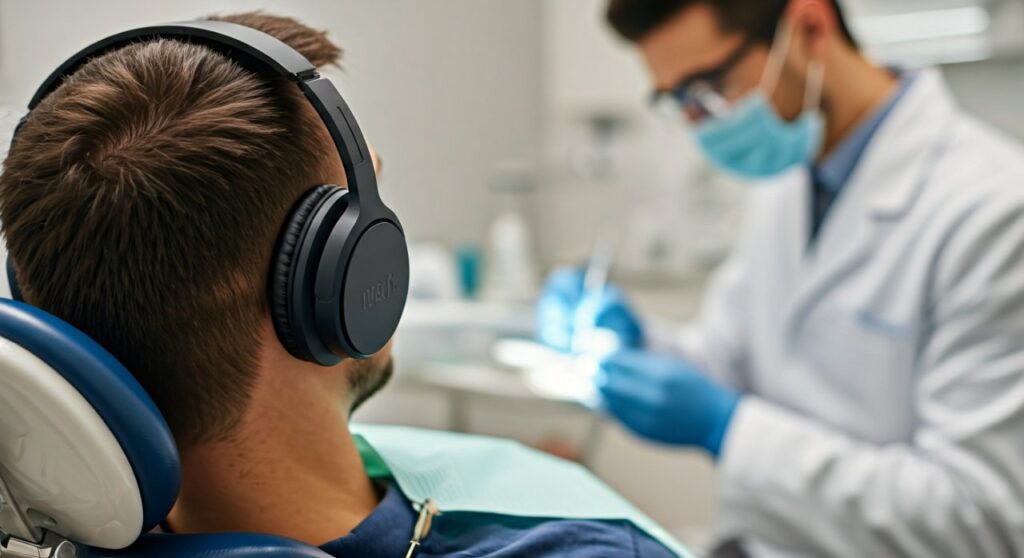
Whether you are getting a simple teeth cleaning, a filling, or a more complex root canal, music or podcasts can provide a vital psychological distraction. While there are a few exceptions regarding safety and communication, wearing audio gear has become a standard practice in modern, patient-centered dentistry.
Key Takeaways: Headphones in the Dental Chair
If you are in a hurry, here are the essential points you need to know about using audio devices during your next dental appointment:
- Universal Acceptance: Most dentists allow headphones to help patients relax and minimize the “white coat” stress response.
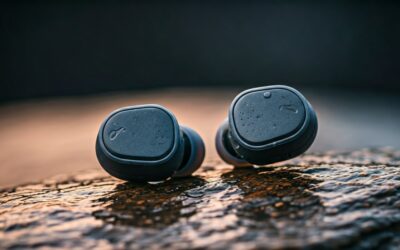
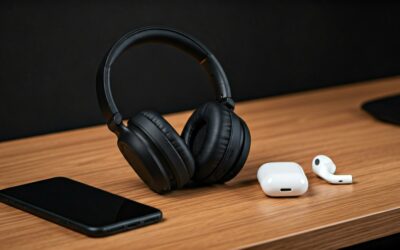
- Best Types: Noise-canceling headphones (ANC) and wireless earbuds (like Apple AirPods Pro or Sony WF-1000XM5) are generally the best options.
- Communication is Key: Always establish hand signals with your dentist before the procedure starts so you can communicate without speaking.
- Volume Control: Keep the volume at a level where you can still hear emergency instructions if the dentist raises their voice.
- Procedure Specifics: Headphones are perfect for long sessions but might need to be removed briefly during X-rays or if the dentist needs to check your “bite.”
Why You Should Consider Wearing Headphones During Dental Work
As someone who has spent years consulting with dental professionals and observing patient behavior, I can confirm that the auditory environment of a clinic is often the biggest hurdle for patients. The dental drill emits a high-frequency sound that can trigger a “fight or flight” response in the brain.
The Psychological Power of Distraction
According to research on music therapy, auditory distraction can significantly lower cortisol levels in patients. When you focus on a familiar song or an engaging audiobook, your brain has less “bandwidth” to process the sensory input of the dental tools. This is often referred to as the Gate Control Theory, where pleasant stimuli help block out unpleasant ones.
Reducing Dental Anxiety (Dentophobia)
Statistics show that nearly 36% of the population suffers from dental anxiety. For these individuals, the clinical silence broken only by the clinking of metal tools is terrifying. Noise-canceling technology creates a “personal bubble,” making the environment feel less clinical and more like your own living room.
The Best Headphones for Dental Procedures
Not all headphones are created equal when you are reclined in a dental chair. Based on ergonomics and technical specs, here is a breakdown of the best choices.
| Headphone Type | Pros | Cons | Best For |
|---|---|---|---|
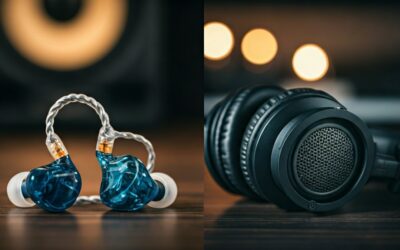
| Wireless Earbuds | Small, no wires in the way, high portability. | Easy to drop/lose in the chair; shorter battery life. | Routine cleanings and fillings. |
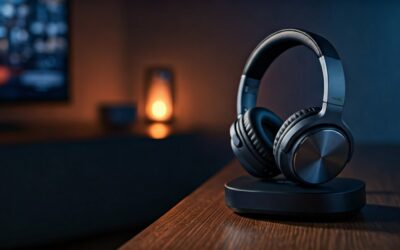
| Over-Ear (ANC) | Superior Active Noise Cancellation, very comfortable. | Bulky; may interfere with the dentist’s workspace. | Long procedures (Root canals, Crowns). |
| Wired Earbuds | No battery issues, no Bluetooth lag. | Wires can get tangled with dental bibs or equipment. | Budget-conscious patients. |
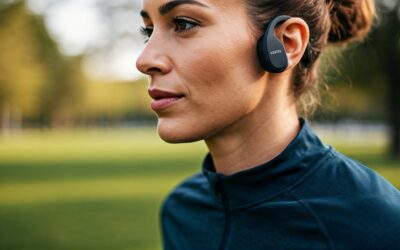
| Bone Conduction | Ears remain open for communication. | Does not block out the sound of the drill effectively. | Patients who need to hear the dentist constantly. |
Recommended Models for the Dental Chair
- Sony WH-1000XM5: These are the gold standard for Active Noise Cancellation. They can almost entirely eliminate the drone of a suction tool.
- Bose QuietComfort Ultra: Known for their supreme comfort, which is vital if you are lying still for 90 minutes.
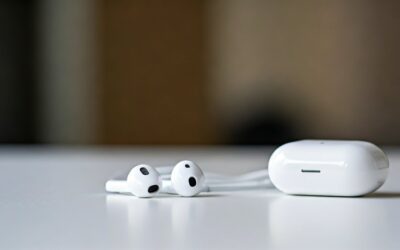
- Apple AirPods Pro (2nd Gen): Excellent for those who want a discrete option that doesn’t interfere with the headrest.
Step-by-Step Guide: Using Headphones at Your Appointment
To ensure a smooth experience for both you and your dental team, follow these expert-vetted steps.
Step 1: Ask Permission First
When the dental assistant leads you to the chair, simply ask: “Is it okay if I wear my headphones during the procedure?” 99% of the time, the answer is a resounding yes. This allows the dentist to know they need to use visual cues to talk to you.
Step 2: Set Up Your Content Early
Don’t wait until the dentist has their gloves on to start fumbling with your Spotify or Audible app. Have your playlist or podcast queued up and ready to go before the chair is reclined.
Step 3: Establish Hand Signals
Since you won’t be able to hear or speak easily, agree on a simple communication system:
- Raise Left Hand: “I need a break” or “I’m feeling pain.”
- Thumbs Up: “I’m doing fine, keep going.”
- Index Finger Up: “I need to rinse my mouth.”
Step 4: Choose the Right Audio
I recommend Brown Noise or White Noise if you truly hate the sound of the drill. If you prefer music, choose something with a steady rhythm. Avoid high-energy “heavy metal” or comedy podcasts that might make you laugh or jump unexpectedly.
When You Might Need to Take Headphones Off
While can i wear headphones at the dentist is usually a “yes,” there are specific moments where they might get in the way.
Dental X-rays
Most Digital X-ray machines require you to place your head in a specific position or bite down on a sensor. Over-ear headphones will definitely interfere with this. Usually, you can put them back on immediately after the scan.
The “Bite” Test
If you are getting a filling or a crown, the dentist will ask you to “tap your teeth together” or “grind side to side” to check the alignment. You may need to remove your headphones for a moment to hear their specific instructions on how to move your jaw.
Consultation and Numbing
It is polite (and safer) to keep your headphones off while the dentist is explaining the procedure or administering the local anesthetic. Once the “numbing” has taken effect and the actual mechanical work begins, that is your cue to plug in.
Expert Tips for a “Silent” Dental Experience
- Use a Single Earbud: If you are nervous about not hearing the dentist, try wearing only one earbud. You get the distraction of the music in one ear while keeping the other ear open for instructions.
- Charge Your Devices: There is nothing worse than your Bluetooth headphones dying in the middle of a cavity prep. Ensure a full charge the night before.
- Offline Mode: Dental offices are often shielded or located in basements where cellular signals are weak. Download your playlist for offline listening to avoid buffering mid-procedure.
- Hygiene Matters: Make sure your headphones are clean. A dental office is a sterile environment; you don’t want to bring in dusty or dirty equipment that you’ll be touching with your hands.
Alternatives to Headphones for Anxiety Management
If you forget your headphones or find them uncomfortable, many modern “Dental Spas” offer other forms of distraction:
- Ceiling-Mounted TVs: Many offices stream Netflix or YouTube with closed captioning.
- Weighted Blankets: These provide deep pressure therapy to reduce nervous system arousal.
- Nitrous Oxide (Laughing Gas): If audio distraction isn’t enough, chemical sedation can help you drift into a relaxed state.
- Virtual Reality (VR) Goggles: Some high-end clinics provide VR headsets that transport you to a beach or a forest, completely removing you from the clinical setting.
Frequently Asked Questions (FAQs)
Can I wear headphones during a root canal?
Yes, a root canal is one of the best times to wear headphones because the procedure is long (often 60-90 minutes) and involves significant drilling sounds. Noise-canceling over-ear headphones are highly recommended here.
Will Bluetooth signals interfere with dental equipment?
No. Bluetooth operates on a short-range radio frequency that does not interfere with digital X-rays, electronic apex locators, or other modern dental machinery. It is perfectly safe.
What if I drop my earbud in my mouth?
While highly unlikely, this is why many dentists prefer over-ear headphones or wired earbuds. If you use small wireless earbuds like AirPods, ensure they are seated firmly in your ear before the dentist begins work.
Can I listen to a podcast while getting my teeth whitened?
Absolutely. Since teeth whitening involves very little movement and no loud drills, it is the perfect time to catch up on your favorite shows or podcasts.
Do dentists find it rude if I wear headphones?
Generally, no. Most dentists prefer a relaxed, still patient over one who is tense and jumping at every sound. As long as you communicate at the start of the appointment, they will appreciate you taking steps to manage your own comfort.
**
**
**
**