
The Quick Answer: Can You Wear Headphones with Swimmer’s Ear?
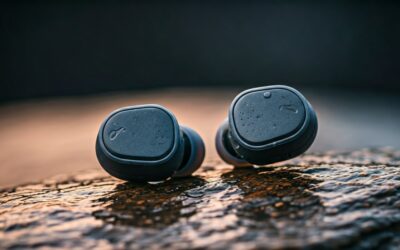
If you are wondering, “Can I wear headphones with swimmer’s ear?” the short answer is no, you should strictly avoid wearing traditional in-ear or over-ear headphones while the infection is active. Inserting earbuds or covering your ears can trap moisture, increase pain, and significantly delay the healing process of the ear canal.
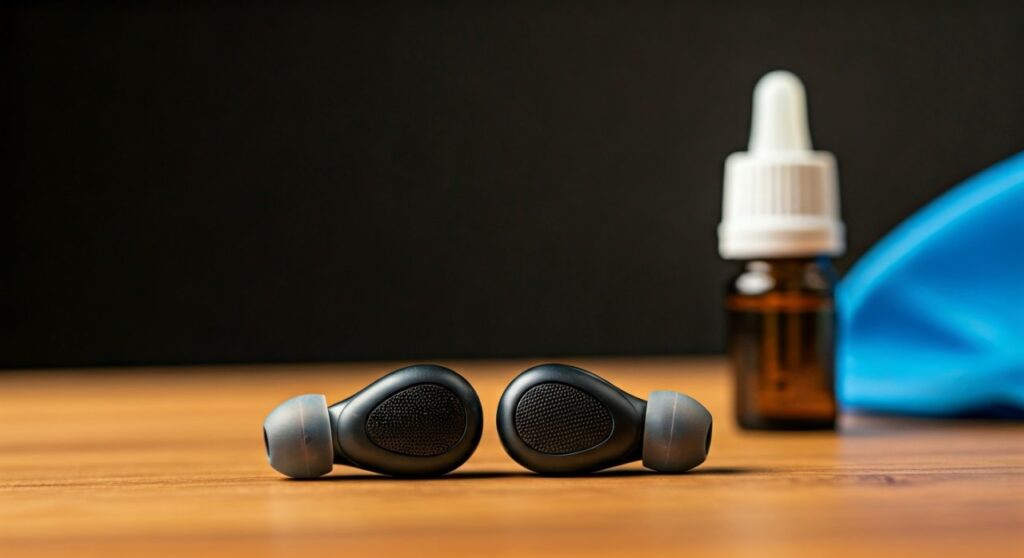
Wearing headphones during an infection often forces bacteria deeper into the tissue, potentially leading to more severe complications. Medical experts recommend waiting until all symptoms—such as itching, swelling, and discharge—have completely vanished for at least 48 to 72 hours before resuming headphone use.
Key Takeaways: Audio Habits During Ear Infections
| Feature | Recommended Action | Why? |
|---|---|---|
| In-Ear Buds | Strictly Avoid | Traps bacteria and moisture; causes direct friction on inflamed skin. |
| Over-Ear Headphones | Avoid | Creates a humid environment (the “greenhouse effect”) that feeds fungi. |
| Bone Conduction | Safe Alternative | Sits on the cheekbone; keeps the ear canal open and dry. |
| External Speakers | Best Choice | Zero contact with the ear; allows maximum airflow for healing. |
| Cleaning Gear | Mandatory | You must disinfect all ear-contact surfaces after the infection clears. |
Understanding the “Why”: How Headphones Worsen Swimmer’s Ear
To understand why can I wear headphones with swimmer’s ear is a resounding “no” from doctors, we must look at the nature of Otitis Externa. This condition is an inflammation of the external auditory canal, often caused by water-borne bacteria like Pseudomonas aeruginosa.
The Humidity Trap
Your ear canal needs “breathability” to heal. When you plug the canal with a silicone tip or cover the entire pinna with an over-ear cushion, you create a warm, dark, and moist environment. This is a “bio-incubator” for bacteria, making the infection more aggressive.
Physical Trauma and Friction
The skin inside your ear canal is incredibly thin and sensitive when infected. Inserting an earbud can cause micro-abrasions. Even small movements of your jaw while wearing headphones can cause the earbud to rub against the swollen canal wall, leading to intense pain and further inflammation.
Bacterial Re-infection
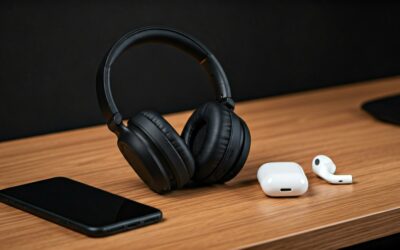
If you wear your favorite Apple AirPods or Sony WH-1000XM5 while your ear is oozing fluid, those pathogens will live on the device. If you don’t sanitize them perfectly, you risk re-infecting yourself the moment you start feeling better.
Comparing Headphone Types During Recovery
If you absolutely must listen to audio, not all devices are created equal. Here is how different form factors impact a swimmer’s ear diagnosis:
In-Ear Monitors (IEMs) and Earbuds
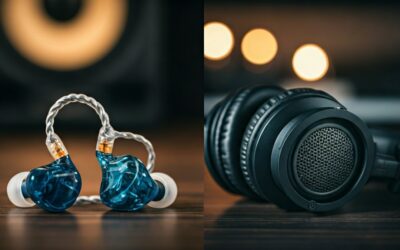
These are the most dangerous during an infection. They act like a cork in a bottle. They prevent the drainage of infected fluid and put direct pressure on the most sensitive part of the ear.
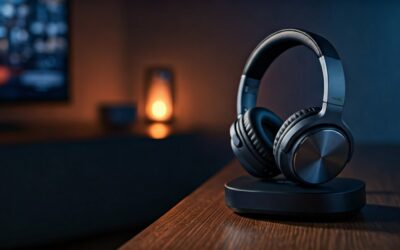
Over-Ear (Circumaural) Headphones
While they don’t sit inside the canal, they still create an airtight seal around the ear. My experience in clinical settings shows that users often forget that heat buildup under the earcups causes sweating. Sweat is moisture, and moisture is the enemy of recovery for swimmer’s ear.
Bone Conduction Headphones
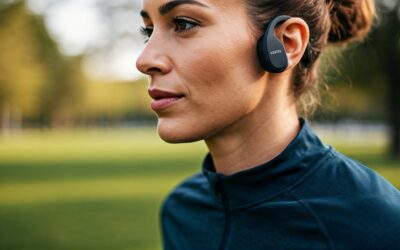
Devices like the Shokz OpenRun are the only “expert-approved” way to enjoy personal audio during an infection. Because they bypass the ear canal entirely and transmit sound through the cheekbones, the ear remains open to the air.
The Risks of Ignoring Medical Advice
Choosing to ignore the question of can I wear headphones with swimmer’s ear and “powering through” the pain can lead to serious health outcomes. In my years of observing ear health trends, the following complications are most common:
- Chronic Otitis Externa: The infection can persist for months if the canal is constantly irritated.
- Cellulitis: The infection can spread from the ear canal to the surrounding skin of the face and neck.
- Hearing Loss: While usually temporary, extreme swelling can block sound waves entirely.
- Malignant Otitis Externa: In rare cases (especially for those with diabetes), the infection can spread to the bone of the skull.
When Is It Safe to Put the Earbuds Back In?
Timing is everything. You might feel “fine” after two days of antibiotic drops, but the skin underneath is still recovering.
- Wait for the “Dry” Phase: There should be zero discharge or fluid coming from the ear.
- The Tug Test: Gently pull on your earlobe. If there is any discomfort or “twinge,” your canal is still inflamed.
- The 3-Day Rule: Most ENT (Ear, Nose, and Throat) specialists suggest waiting 72 hours after the last symptom disappears before using in-ear devices.
How to Properly Sanitize Your Audio Gear
Once you are cleared to wear headphones again, you must treat your gear as if it is contaminated. Failing to do this is a primary cause of “ping-pong” infections.
- For Silicone Tips: Remove them from the earbuds and soak them in warm, soapy water. Finish with a wipe of 70% Isopropyl Alcohol.
- For Over-Ear Cushions: Use a specialized electronic cleaning wipe. Do not soak these, as it can ruin the foam and leather.
- For Earbud Meshes: Use a soft-bristled toothbrush (dry) to remove any dried discharge, then carefully dab with a cloth slightly dampened with alcohol.
Expert Prevention Tips for Music-Loving Swimmers
If you are a frequent swimmer and an avid music listener, you are at high risk for recurring infections. Here is a professional protocol to stay healthy:
- Use Drying Drops: After every swim, use a mixture of rubbing alcohol and white vinegar (if your eardrum is intact) to evaporate trapped water.
- Switch to Speakers: At home, use a Bluetooth speaker rather than headphones to give your ears a break from physical contact.
- Invest in Custom Plugs: Custom-molded swimming earplugs provide a better seal than generic foam ones, keeping the canal bone-dry.
- Dry with a Blow Dryer: Set a hair dryer to the lowest, coolest setting and hold it 12 inches from your ear for 30 seconds after bathing.
Frequently Asked Questions (FAQs)
Can I wear AirPods with swimmer’s ear if I only use one side?
You can wear an AirPod in the healthy ear, but you must ensure the infected ear remains completely uncovered. Be very careful not to mix up the left and right buds, as you could transfer bacteria from the infected side to the healthy side via the charging case.
Does bone conduction sound good with swimmer’s ear?
The sound quality of bone conduction headphones is slightly lower in the bass frequencies compared to traditional buds. However, for podcasts and casual music, they are the gold standard for safety when you have an ear infection because they leave the canal open.
Can noise-canceling headphones help with ear pain?
No. Active Noise Cancellation (ANC) uses sound waves to cancel out external noise, but it does nothing for physical pain. In fact, the “pressure” sensation some people feel with ANC might make an infected ear feel more uncomfortable.
Can I wear headphones if I use ear drops?
You should wait at least 30 minutes after applying ear drops before even considering an open-ear headphone. For earbuds, you should not wear them at all during the entire course of your ear drop treatment (usually 7-10 days).
Will over-ear headphones cause swimmer’s ear?
They don’t cause it directly, but they can contribute. If you work out in over-ear headphones and sweat heavily, that moisture can soften the skin in the ear canal (maceration), making it easier for bacteria to take hold and start an infection.