

Yes, can you sleep with noise cancelling headphones? The short answer is yes, you can wear them to block out disruptive sounds like snoring or traffic, but it requires the right equipment and safety precautions. While they are generally safe for most people, choosing the wrong style can lead to ear canal irritation, wax buildup, or physical discomfort depending on your sleeping position.
Can You Sleep With Noise Cancelling Headphones Safely?
The primary concern for most people is whether is it bad to sleep with noise cancelling headphones regarding long-term health. Generally, sleeping with these devices is safe as long as you maintain moderate volume levels and keep your equipment clean. Experts suggest that if you are a light sleeper, the benefit of uninterrupted REM sleep often outweighs the minor risks of wearing headgear.
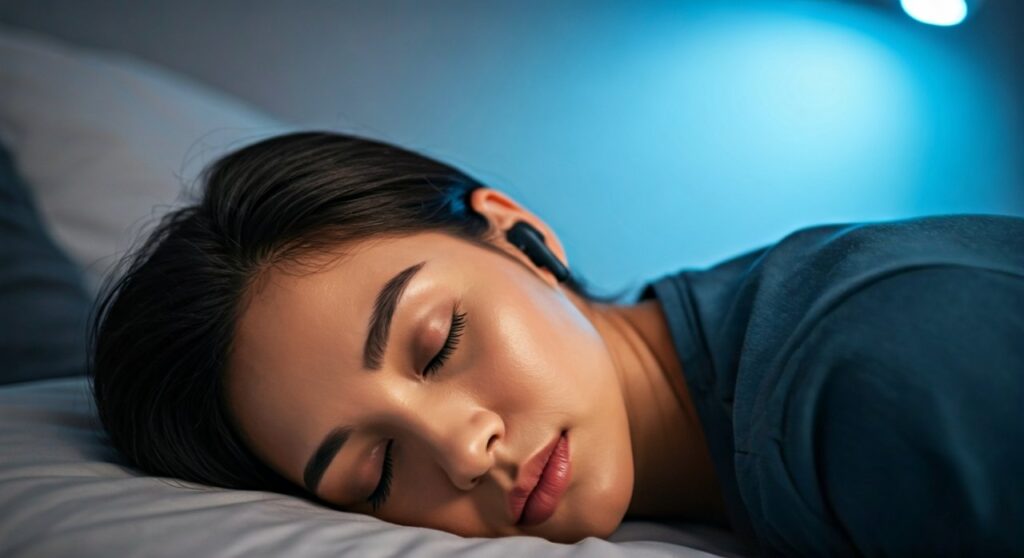
However, safety isn’t just about your ears; it’s about your environment. When you use Active Noise Cancellation (ANC), you might miss emergency signals like smoke detectors, carbon monoxide alarms, or a crying child. If you decide to sleep with them, ensure you have a visual alarm system or a vibrating wearable for emergencies.
Key Takeaways: Sleeping with Headphones at a Glance
If you are looking for a quick summary of whether you should wear your headset to bed, here is the essential data:
| Feature | Over-Ear Headphones | In-Ear Earbuds | Sleep-Specific Headphones |
|---|---|---|---|
| Noise Blocking | High (Excellent ANC) | Moderate to High | Low to Moderate |
| Comfort (Back) | Good | Moderate | Excellent |
| Comfort (Side) | Poor (Bulky) | Poor (Pressure) | Excellent |
| Ear Health Risk | Low (Skin irritation) | Moderate (Wax/Infection) | Low (Breathable) |
| Best For | Power naps/Travel | Back sleepers | Every-night use |
Is It Bad to Wear Noise Cancelling Headphones While Sleeping?
Many users worry about the physical impact on their ears. One of the most common issues when people wear noise cancelling headphones to sleep is earwax impaction. Because earbuds block the natural airflow, they can prevent earwax from migrating out of the canal, leading to blockages or “swimmer’s ear” infections.
Another concern is the occlusion effect. This happens when the ear canal is sealed, causing low-frequency sounds (like your own heartbeat or breathing) to sound much louder. For some, this is soothing; for others, it can be a source of anxiety that prevents sleep.
Potential Risks to Consider:
- Pressure Necrosis: This is rare but occurs if hard plastic earbuds press against the skin for 8+ hours, restricting blood flow to the outer ear.
- Battery Safety: While modern lithium-ion batteries in brands like Sony or Bose are safe, sleeping with a charging device near your head is never recommended.
- Tinnitus: If the volume is too high to compensate for external noise, you risk permanent hearing damage or ringing in the ears.
Step-by-Step Guide: How to Sleep With Headphones Comfortably
If you’ve decided that the silence is worth it, follow this expert-tested protocol to ensure you don’t wake up with sore ears or a broken headset.
Step 1: Choose the Right Hardware
Not all headphones are created equal. If you are a side sleeper, over-ear headphones like the Bose QuietComfort Ultra will likely be too bulky and put pressure on your neck.
- Back sleepers: Can usually handle any style.
- Side sleepers: Should look for “thin profile” earbuds like the Soundcore Sleep A10 or headband-style speakers.
Step 2: Clean Your Gear Daily
Bacteria thrive in warm, dark, moist environments—exactly what your ear canal becomes when plugged. Use an isopropyl alcohol wipe to clean the silicone tips or ear cushions every morning to prevent otitis externa (outer ear infection).
Step 3: Set a Volume Limit
To avoid the question “is it bad to sleep with noise cancelling headphones,” you must control the decibels.
- Keep the volume below 60% of the maximum.
- Most smartphones have a “Reduce Loud Sounds” setting in the audio safety menu—turn this on.
Step 4: Use a Sleep Timer
You don’t need music playing all night. Most apps (Spotify, Audible) have a sleep timer that fades the audio out after 30 or 60 minutes. This allows your brain to enter deep sleep without constant auditory stimulation while the ANC continues to block background noise.
Understanding ANC vs. Passive Isolation for Sleep
When asking can you wear noise cancelling headphones to sleep, it’s important to know how they work. Active Noise Cancellation (ANC) uses microphones to pick up low-frequency sounds (like a plane engine or a fan) and creates an “anti-noise” wave to cancel them out.
Passive Isolation is simply the physical barrier of the headphone. For sleep, a combination is best. However, some people find the “hiss” of ANC distracting in a quiet room. If you are sleeping in a house that is already mostly quiet, high-quality silicone earplugs might actually be more effective and safer than electronic headphones.
Expert Tips for Side Sleepers
As someone who has tested dozens of headsets for travel, I know the struggle of the “side-sleep crunch.” If you force a standard earbud into your ear while lying on your side, you risk pushing it too deep into the canal.
- The Pillow Hole Trick: Use a travel pillow (the U-shaped ones) or a specialized “piercing pillow” with a hole in the middle. Place your ear (with the headphone on) in the hole to remove all pressure from the device.
- Headband Speakers: These are soft, fleece headbands with ultra-thin speakers inside. They don’t offer ANC, but they are the most comfortable option for side sleepers.
Health Benefits: Why Silence Matters
We often focus on the risks, but the benefits of quality sleep are massive. Chronic noise exposure during sleep increases cortisol levels and risk of cardiovascular disease.
Using headphones to achieve silence can:
- Decrease the time it takes to fall asleep (Sleep Latency).
- Increase the duration of Deep Sleep stages.
- Reduce morning irritability caused by external disruptions.
Frequently Asked Questions (FAQs)
Is it bad to wear noise cancelling headphones while sleeping every night?
It is not inherently “bad,” but it increases the risk of earwax buildup and skin irritation. It is recommended to take “breathing breaks” for your ears at least two nights a week to let the ear canal dry out and shed skin cells naturally.
Can sleeping with headphones cause ear infections?
Yes, if the headphones are not cleaned regularly. Moisture and sweat trapped in the ear canal create a breeding ground for bacteria and fungi. Always clean your earbuds with an antibacterial wipe after use.
Will I hear my alarm if I wear noise-canceling headphones?
If you are using Active Noise Cancellation, you may not hear a standard bedside alarm. It is safer to use a smartwatch with a vibrating alarm or set your phone alarm to play through the headphones themselves at a slightly higher volume.
Can headphones explode while I sleep?
While extremely rare, lithium-ion batteries can overheat. To minimize risk, never sleep with headphones that are currently plugged into a charger and avoid using cheap, uncertified third-party brands. Stick to reputable manufacturers like Sony, Apple, or Bose.
What is the best alternative to headphones for sleep?
If you find headphones uncomfortable, consider a white noise machine, specialized molded earplugs, or acoustic foam panels for your bedroom walls to dampen external sounds naturally.









