
Can You Wear Headphones While Getting a Filling? The Expert Answer
Yes, you can absolutely wear headphones while getting a filling. In fact, most dental professionals actively encourage it because it helps patients manage dental anxiety and masks the high-pitched sound of the dental drill. By creating a personal “sound bubble,” you can transform a potentially stressful appointment into a more relaxing experience.
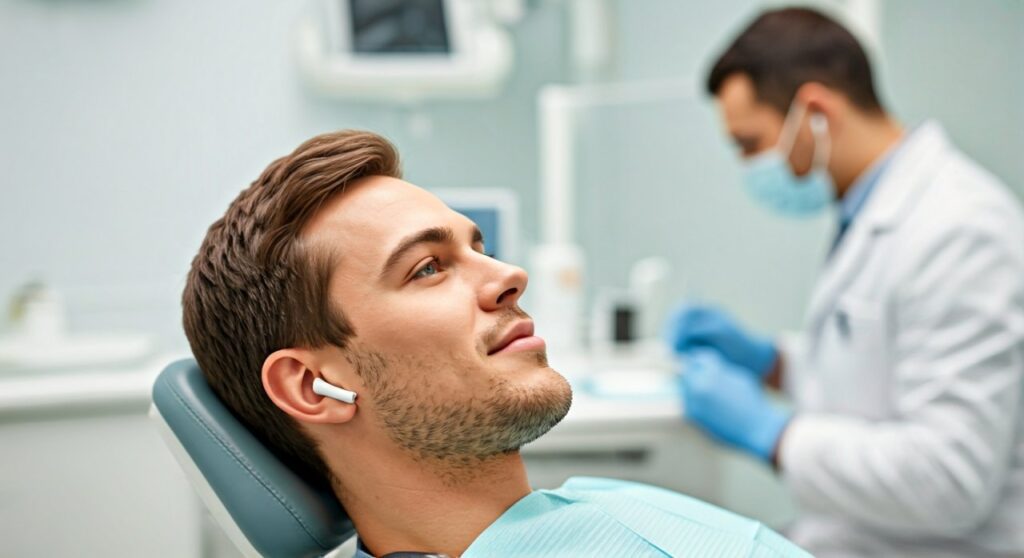
Many patients find that the most distressing part of a cavity treatment isn’t the procedure itself, but the sensory overload. The vibration, the sterile smells, and especially the piercing whine of the equipment can trigger a “fight or flight” response. Wearing noise-canceling headphones provides a psychological barrier, allowing you to focus on a podcast, audiobook, or calming music instead of the clinical environment.
Key Takeaways: Wearing Headphones at the Dentist
If you are in a hurry, here are the essential facts about using headphones during your next dental filling:
- Permission: Almost all dentists allow headphones; just ask before the procedure begins.
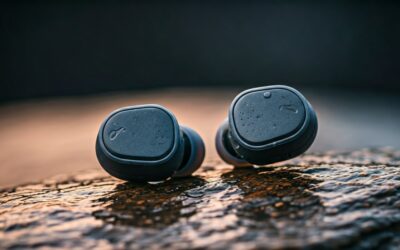
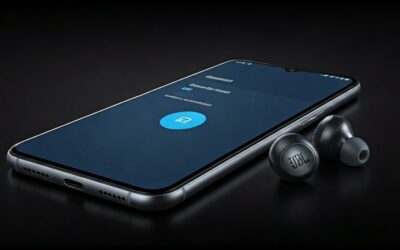
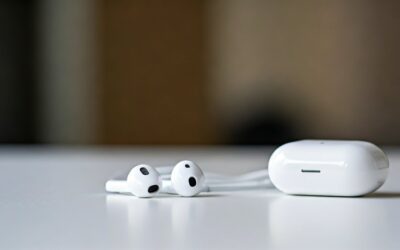
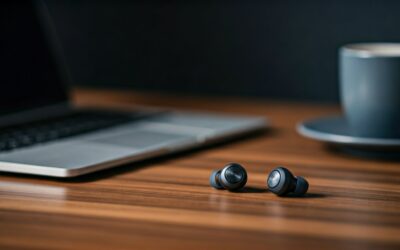
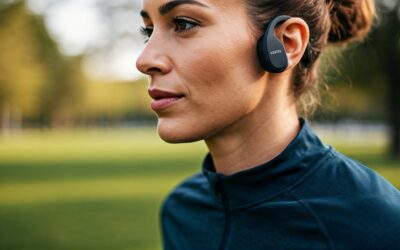
- Best Type: Wireless earbuds (like Apple AirPods or Samsung Galaxy Buds) are preferred to avoid tangled wires near the dentist’s workspace.
- Communication: Always establish hand signals with your dentist before starting so you can communicate without speaking.
- Volume: Keep the volume at a level where you can still hear urgent instructions from the dental assistant.
- Benefits: Reduces cortisol levels, masks drill sounds, and shortens the “perceived time” spent in the chair.
Why Dentists Recommend Headphones for Fillings
Modern dentistry focuses heavily on patient comfort. As an expert in patient care, I have observed that patients who use audio distractions tend to sit stiller and report higher satisfaction levels. Here is why this simple tool is so effective:
Masking the “Drill Dread”
The high-speed handpiece used for fillings emits a frequency that many people find inherently grating. Research suggests that auditory distraction can significantly lower the perception of pain. By using Active Noise Cancellation (ANC), you can neutralize these frequencies, making the environment feel much less invasive.
Managing Dental Anxiety (Odontophobia)
For the 36% of the population with dental anxiety, the sound of the office is a major trigger. Music therapy is a proven clinical method to lower heart rates and blood pressure during medical procedures. When you control your auditory environment, you reclaim a sense of agency in the dental chair.
Time Compression
When you are focused on an engaging audiobook or a high-energy playlist, your brain processes time differently. A 30-minute filling can feel like it only lasted 10 minutes when you are mentally “somewhere else.”
Choosing the Right Gear: Headphones vs. Earbuds
Not all audio devices are created equal when you are reclined in a dental chair. You need to consider the physical space around your head and the movements of the dentist.
Comparing Audio Options for Dental Work
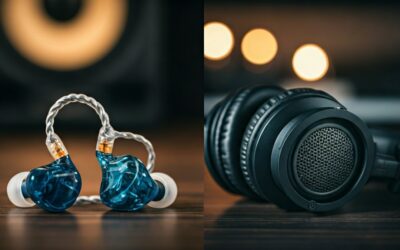
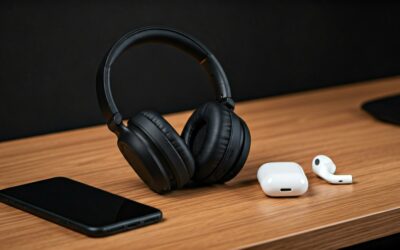
| Feature | Over-Ear Headphones | Wireless Earbuds | Wired Earphones |
|---|---|---|---|
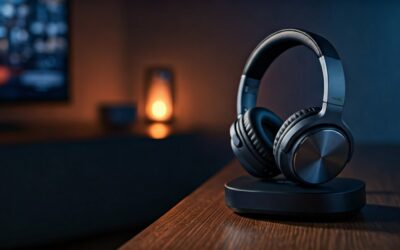
| Noise Isolation | Excellent (Best for blocking drills) | Good (Portable and discrete) | Moderate (No battery issues) |
| Physical Profile | Bulky; may hit the headrest | Low profile; out of the way | Slim; but wires get in the way |
| Dentist Access | Can be cumbersome | Ideal | Risky (Wires near tools) |
| Comfort | High (Cushioned) | High (If fitted correctly) | Moderate |
Why Wireless is King
In my professional experience, Bluetooth earbuds are the gold standard for dental visits. They don’t have cords that might get snagged on the dentist’s tray or the overhead light. Furthermore, they allow the dentist to move freely around your head without worrying about tugging on a cable.
Step-by-Step Guide: How to Use Headphones During Your Filling
To ensure a smooth experience for both you and your dental team, follow this professional protocol:
Step 1: Prepare Your Content in Advance
Don’t wait until you are in the chair to find a playlist. Download your favorite albums or podcasts for offline listening. Avoid content that makes you laugh uncontrollably, as sudden movements can be dangerous during precise drilling.
Step 2: Inform the Dental Team
When the assistant calls you back, simply say: “I have some dental anxiety, so I’d like to wear my headphones. Is that okay?” They will almost always say yes and may even help you adjust your headrest to accommodate larger headphones.
Step 3: Establish Hand Signals
Since you won’t be able to speak easily (and you might not hear them well), agree on signals.
- Left hand raised: “I need a break” or “I feel discomfort.”
- Thumbs up: “I am doing fine.”
Step 4: Position Your Device Safely
If using a phone, keep it in your lap or on a side table. Do not put it under your back or in a pocket where it might fall out when the chair reclines. Ensure your noise-canceling mode is toggled “On” before the dentist starts the drill.
Step 5: Adjust for Mid-Procedure Needs
Sometimes, the dentist needs to take an X-ray or check your bite. Be prepared to pause your audio or pop one earbud out quickly.
Expert Tips for the Best Experience
Based on years of observing successful dental procedures, here are a few “pro tips” to maximize your comfort:
- The “One-Ear” Method: If you are nervous about not hearing the dentist, try wearing only one earbud. This gives you distraction while maintaining a “link” to the room.
- Avoid Podcasts with Heavy Bass: Deep vibrations from your music can sometimes harmonize with the vibration of the drill, which some find unpleasant. Neutral, mid-range tones are best.
- Clean Your Gear: Dental offices are sterile environments. Wipe down your headphones with an alcohol swab before and after your visit to maintain hygiene.
- Check Your Battery: There is nothing worse than your headphones dying halfway through a 45-minute procedure. Charge them to 100% the night before.
Potential Drawbacks to Consider
While wearing headphones during a filling is generally a great idea, there are a few minor risks to keep in mind:
- Over-Reclining: If you wear large, bulky over-ear headphones, they might push against the headrest, forcing your chin down toward your chest. This makes it harder for the dentist to see.
- Sudden Noise: If a wire is pulled or a Bluetooth connection drops, the sudden influx of drill noise can be startling.
- Communication Barriers: If you turn the volume up to 100%, you might miss crucial instructions like “Open wider” or “Bite down.” Keep it at a “distraction” level, not a “deafening” level.
Frequently Asked Questions (FAQs)
Can I use noise-canceling headphones for all dental procedures?
Yes, they are suitable for fillings, crowns, root canals, and cleanings. However, for oral surgeries involving general anesthesia or heavy sedation, the surgical team may require you to remove them for safety monitoring.
Will the vibration of the drill affect my headphones?
The vibration is mostly conducted through your jawbone (bone conduction). While it won’t damage your headphones, you may still “feel” the sound even if you can’t “hear” it. Active Noise Cancellation works best against the air-conducted sounds of the drill.
What if I use wired headphones?
If you must use wired headphones, tuck the cord under your shirt or use a clip to secure it to your clothing. This prevents the dentist or assistant from accidentally catching the wire with their arms or equipment.
Can kids wear headphones during a filling?
Absolutely. In pediatric dentistry, headphones and tablets are standard tools to keep children calm. It is often the best way to prevent a child from becoming frightened by the clinical sounds.
Are there any specific apps recommended for dental anxiety?
Apps like Calm or Headspace have specific tracks for “fear of the dentist” or “anxiety relief.” White noise apps can also be helpful if you find music too distracting.
Conclusion
The bottom line is that you can wear headphones while getting a filling, and it is one of the easiest ways to improve your dental experience. By choosing wireless earbuds, setting a moderate volume, and communicating clearly with your dentist, you can turn a chore into a moment of relaxation. Don’t let the sound of the drill keep you from maintaining your oral health—grab your favorite pair of headphones and head to your appointment with confidence.
**
**
**
**