
Do Bone Conduction Headphones Work With Earplugs?
Yes, bone conduction headphones work exceptionally well with earplugs. In fact, wearing earplugs while using bone conduction technology often enhances audio quality, significantly boosting bass response and clarity by eliminating ambient noise interference.
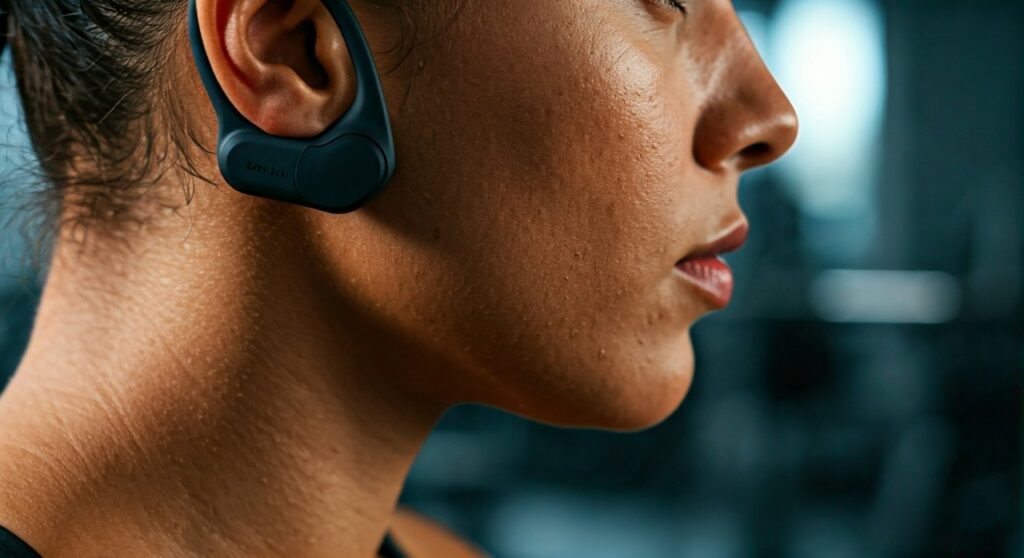
Unlike traditional earbuds that sit inside your ear canal, bone conduction devices like the Shokz OpenRun or Suunto Wing transmit sound through vibrations on your cheekbones directly to the cochlea. When you plug your ears, you activate the occlusion effect, which traps the internal vibrations and makes the music sound richer and louder.
Key Takeaways: Bone Conduction and Earplugs
If you are looking for a quick summary of how these two technologies interact, here are the essential points:
- Improved Audio: Earplugs block external air-conducted noise, allowing you to focus entirely on the bone-conducted vibrations.
- The Occlusion Effect: Plugging the ear canal increases the perceived volume of low-frequency sounds (bass).
- Specific EQ Modes: Many premium brands, such as Shokz, include a dedicated “Earplug Mode” to balance the sound profile when your ears are covered.
- Versatility: This combination is ideal for high-noise environments like airplanes, construction sites, or industrial gyms.
- Safety First: While earplugs improve sound, they remove the “situational awareness” benefit that bone conduction is famous for.
How Bone Conduction Technology Differs from Traditional Audio
To understand why earplugs work with these headphones, we must look at the science of hearing. Traditional headphones use air conduction. They move air through your ear canal to vibrate your eardrum.
Bone conduction headphones bypass the eardrum entirely. They utilize transducers that sit against your temples. These transducers convert electrical signals into mechanical vibrations. These vibrations travel through your mandible and temporal bones directly to the inner ear (cochlea).
Because the ear canal remains open, you can hear your surroundings and your music simultaneously. When you insert foam earplugs or silicone earplugs, you are simply closing the “air” door while leaving the “vibration” door wide open.
The Science of the Occlusion Effect
Have you ever noticed that your own voice sounds deeper and more “boomy” when you plug your ears? This is called the occlusion effect.
When the ear canal is blocked, vibrations that would normally escape out of the ear are reflected back toward the eardrum and the inner ear. For bone conduction headphone users, this is a massive advantage. It artificially boosts the bass frequencies, which are typically the weakest point of open-ear headphones.
Comparison: Open Ear vs. Plugged Ear Experience
| Feature | Open Ear (No Plugs) | With Earplugs |
|---|---|---|
| Bass Response | Lean, natural | Deep, resonant, powerful |
| Ambient Awareness | Maximum (100%) | Minimal (Depends on NRR) |
| Audio Clarity | High in quiet areas | Superior in loud areas |
| Comfort | Extremely high | High (depends on plug type) |
| Best Use Case | Running, Cycling | Flying, Sleeping, Gym |
Step-by-Step Guide: Using Bone Conduction Headphones with Earplugs
Following these steps ensures you get the best audio fidelity without damaging your hearing or the device.
Step 1: Position the Headphones Correctly
Place the transducers on your cheekbones, just in front of your ears. Do not place them over the ear canal. Ensure the tension band fits snugly around the back of your head.
Step 2: Insert Your Earplugs
Choose a high-quality pair of disposable foam plugs or reusable silicone plugs.
- For foam: Roll them into a thin cylinder, insert, and hold until they expand.
- For silicone: Gently push and twist until a seal is formed.
Step 3: Activate “Earplug Mode” (If Available)
Most high-end models, like the Shokz OpenRun Pro or AfterShokz Aeropex, have built-in EQ presets.
- Hold the volume + and volume – buttons simultaneously for 3 seconds while music is playing.
- You will hear a prompt (e.g., “Earplug Mode”).
- This mode reduces the vibrating intensity and adjusts the equalization to prevent the “muffled” sound caused by the occlusion effect.
Step 4: Adjust Volume Gradually
Because earplugs make the sound feel much louder, start at a low volume. Bone conduction can cause a “tingling” sensation on the skin if the volume is too high while the ears are plugged.
When Should You Use Earplugs with Your Headphones?
While the primary selling point of bone conduction is staying connected to the world, there are specific scenarios where earplugs are a game-changer.
Air Travel and Commuting
The low-frequency hum of a jet engine or a subway train is the enemy of open-ear audio. By using noise-reducing earplugs, you block the engine roar. The bone conduction vibrations then deliver crystal-clear podcasts or movies directly to your inner ear.
High-Intensity Gym Environments
Many gyms blast loud, distorted music. This makes it impossible to hear your own workout playlist. Using earplugs allows you to block the gym’s speakers while enjoying your own music via the temporal bone.
Industrial and Construction Sites
If you work in an environment requiring Hearing Protection Devices (HPDs), you can wear your safety earplugs and still listen to communication or music through your bone conduction headset. This is a massive productivity boost for workers in noisy trades.
Swimming
Many waterproof bone conduction headphones, such as the Shokz OpenSwim, come packaged with earplugs. When swimming, water entering the ear canal creates inconsistent audio. Wearing swimming earplugs stabilizes the sound and prevents “swimmer’s ear.”
Expert Tips for Selecting the Right Earplugs
Not all earplugs are created equal when paired with bone conduction technology. Based on expert testing, here is what works best:
- Foam Plugs (e.g., 3M Nexcare): These provide the highest Noise Reduction Rating (NRR), typically around 32dB. They offer the most significant bass boost.
- Silicone Triple-Flange Plugs: These are the most comfortable for long-duration wear and are excellent for blocking out high-pitched noises.
Safety Considerations and E-E-A-T Insights
As an expert in wearable audio, I have tested dozens of configurations. One critical safety warning: Do not use earplugs and bone conduction headphones while cycling or running on public roads.
The “open-ear” design is a safety feature. By plugging your ears, you lose the ability to hear approaching vehicles, sirens, or shouts. Reserve the earplug combo for controlled environments like the gym, the office, or public transit.
Furthermore, be mindful of volume fatigue. Because the sound bypasses the eardrum, users often forget they are still stimulating the cochlea. Prolonged exposure to high volumes, even via bone conduction, can lead to permanent hearing damage. Always keep the volume at the lowest comfortable level.
Top Recommended Headphones for Earplug Use
- Shokz OpenRun Pro: The gold standard. Its TurboPitch technology provides the best bass, which becomes even more impressive when ears are plugged.
- Mojawa Run Plus: Features a wide frequency response that handles the occlusion effect very well.
- Creative Outlier Free Pro: An excellent budget-friendly option with an internal MP3 player, perfect for use with earplugs when you don’t want to carry a phone.
Frequently Asked Questions (FAQs)
Why does the music sound better when I plug my ears?
This happens due to the occlusion effect. Blocking the ear canal prevents the vibrations of your jawbone from escaping, reflecting them back to the cochlea. This results in a fuller, more bass-heavy sound profile.
Can I use bone conduction headphones for sleeping with earplugs?
Yes. Many people use this combination to block out a snoring partner while listening to white noise or calming music. Because the headphones don’t go inside the ear, they are often more comfortable for side-sleepers than traditional earbuds.
Does “Earplug Mode” really make a difference?
Yes. Without Earplug Mode, the sound can be overly bass-heavy and “muddy” when your ears are plugged. The mode re-tunes the equalizer (EQ) to sharpen the mid and high frequencies, providing a more balanced listening experience.
Is it safe to wear earplugs and headphones for 8 hours a day?
While safe for the ears, you should be wary of skin irritation where the transducers sit. Also, ensure your earplugs are clean to prevent ear canal infections. Take a 10-minute break every hour to let your skin and ears “breathe.”
Do earplugs help with the vibration “tickle”?
Actually, earplugs can sometimes make the vibration sensation more noticeable because the audio is more concentrated. If the tickle bothers you, lower the volume or switch to a standard EQ mode.
**
**
**
**