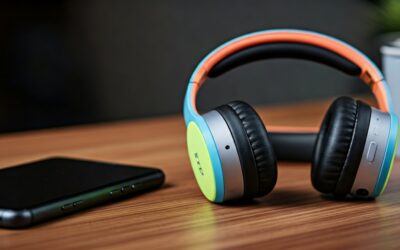

Do I Need Noise Cancelling Headphones? The Direct Answer
Whether you need noise cancelling headphones depends entirely on your environment and how much you value focus and hearing health. If you frequently commute on loud trains, work in an open-plan office, or travel by air, the answer is a definitive yes. These devices use Active Noise Cancellation (ANC) to neutralize low-frequency hums, allowing you to listen to audio at safer volumes while significantly reducing mental fatigue.
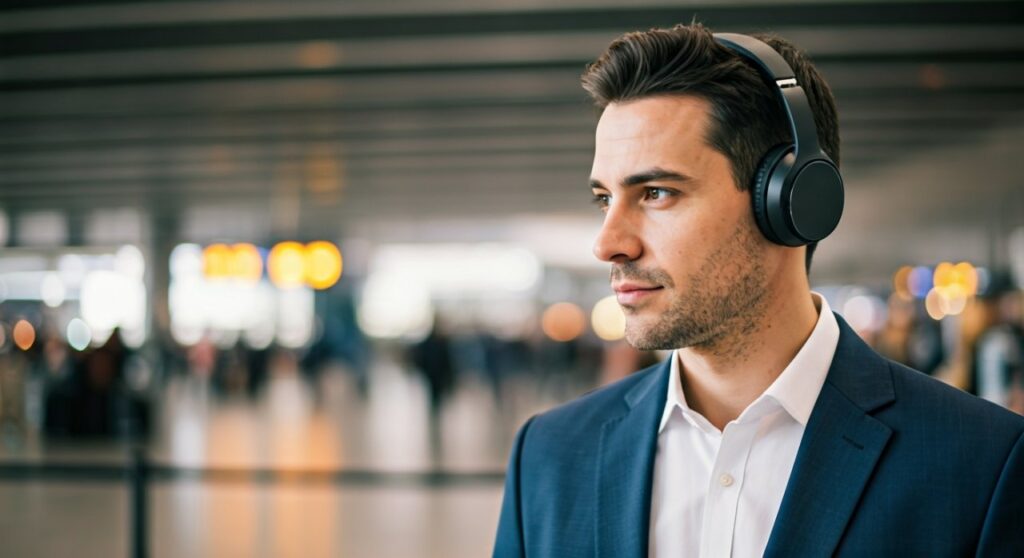
However, if you primarily listen to music in a quiet home office, high-quality passive isolation earbuds or open-back headphones might offer better sound fidelity for less money. For most modern professionals and travelers, noise cancelling headphones have transitioned from a luxury to a productivity essential.
Key Takeaways: Is ANC Right for You?
- Best For: Frequent travelers, office workers, students, and people with sensory sensitivities.
- Primary Benefit: Reduces background “drone” (engines, AC units) and protects hearing by lowering the need for high volume.
- The Trade-off: High-quality ANC models are more expensive and require battery power to function.
- Expert Tip: Look for Sony, Bose, or Apple if you want the most effective noise-blocking algorithms available today.
Understanding the Science: How Noise Cancellation Works
To decide if you need this technology, you must understand what it actually does. Active Noise Cancellation (ANC) is not just thick padding; it is an active computing process.
Internal microphones “listen” to the external environment. The headphones then generate a “mirror” sound wave (anti-phase) that cancels out the incoming noise before it reaches your eardrum.
This technology is exceptionally good at blocking low-frequency sounds. Think of the constant rumble of a jet engine, the hum of a refrigerator, or the low thrum of city traffic. It is less effective against sudden, high-pitched sounds like a baby crying or a glass breaking.
The Hidden Benefits of Noise Cancelling Technology
Most people buy these headphones for music, but the secondary benefits are often more impactful for long-term health and productivity.
Protecting Your Hearing Health
In a noisy environment, most people crank their volume to 85-90 decibels to drown out the world. This leads to permanent hearing loss over time. With ANC, you can keep your music at a comfortable 50-60% volume because you aren’t competing with the background noise.
Reducing “Noise Fatigue”
Your brain spends a significant amount of energy processing background noise, even if you aren’t consciously aware of it. After an 8-hour flight or a day in a loud office, that “drained” feeling is often noise fatigue. Using noise cancelling headphones keeps your nervous system calmer.
Enhanced Focus for ADHD and Neurodivergence
For individuals with ADHD or sensory processing disorders, the “wall of sound” in public spaces can be overwhelming. ANC provides a “portable quiet room,” making it significantly easier to complete tasks in distracting environments.
Comparing Your Options: ANC vs. Passive Isolation
| Feature | Active Noise Cancellation (ANC) | Passive Noise Isolation |
|---|---|---|
| Mechanism | Electronics & Microphones | Physical barriers (Earpads/Foam) |
| Best For | Low-frequency hums (Planes, AC) | High-frequency sounds (Voices) |
| Battery Needed | Yes | No |
| Sound Quality | Can slightly alter audio signal | Purest representation of audio |
| Price Range | $150 – $550+ | $20 – $300+ |
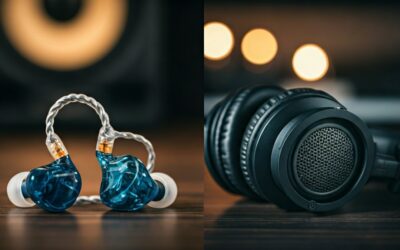
| Common Brands | Sony, Bose, Apple | Sennheiser, Beyerdynamic |
Step-by-Step Guide: How to Determine If You Need Noise Cancelling Headphones
If you are still on the fence, follow this professional audit to see if the investment is justified for your lifestyle.
Step 1: Conduct a 24-Hour “Noise Audit”
Spend one full day tracking every time you feel annoyed by sound. Note the following:
- Does the neighbor’s lawnmower break your concentration?
- Do you feel a sense of relief when you turn off the kitchen exhaust fan?
- Is the “office chatter” making you take longer to write emails?
If you check more than two boxes, your environment is a prime candidate for ANC technology.
Step 2: Evaluate Your Commute and Travel Habits
Frequency of travel is the biggest predictor of ANC satisfaction.
- Frequent Flyer: If you fly more than 3 times a year, noise cancelling headphones like the Bose QuietComfort Ultra are non-negotiable for comfort.
- Public Transit: If you spend 1+ hours daily on a bus or train, ANC will prevent you from arriving at work feeling stressed.
Step 3: Test Your “Volume Ceiling”
Put on your current headphones in your usual noisy spot. Turn the volume up until you can’t hear the environment. Check the slider on your phone. If you are consistently above 70% volume, you are risking ear damage. ANC would allow you to drop that to 40%.
Step 4: Assess Your Comfort with “The Hiss”
Some entry-level ANC headphones produce a very faint high-pitched hiss (white noise). Experts call this the “noise floor.” If you have extremely sensitive hearing and plan to use them for silence (no music), you will need to invest in premium models like the Sony WH-1000XM5, which have a near-silent noise floor.
Top Scenarios Where You Definitely Need Them
The Open Office Warrior
Modern offices are designed for collaboration but are disasters for deep work. If you are a coder, writer, or analyst, noise cancelling headphones act as a physical “Do Not Disturb” sign.
The Remote Worker in a Shared Space
Working from a coffee shop or a home with toddlers? ANC creates a psychological boundary. It signals to your brain that it is “work time,” regardless of the chaos happening in the kitchen.
The Sleep-Deprived Traveler
On long-haul flights, the low-frequency drone of the engine prevents many people from entering deep sleep. High-end noise cancelling earbuds like the Apple AirPods Pro 2 are small enough to wear while leaning against a travel pillow.
When You Should NOT Buy Noise Cancelling Headphones
Despite the hype, ANC isn’t for everyone. You might want to skip them if:
- You are a Critical Audiophile: At the same price point, a pair of wired, open-back headphones (like the Sennheiser HD600) will almost always provide better soundstage and detail than ANC headphones.
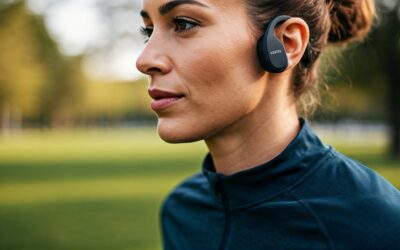
- You Need Total Situational Awareness: If you run outside in high-traffic areas, ANC can be dangerous. You need to hear the car coming. (Though many models now have “Transparency Mode” to solve this).
- You Have a Tight Budget: Cheap ANC (under $50) is often terrible. It usually just adds “white noise” rather than cancelling anything. You are better off buying high-quality foam ear tips for regular earbuds.
Expert Recommendations: Which Pair Should You Choose?
I have tested dozens of models over the last decade. Here are the top performers based on specific needs:
- Best Overall: Sony WH-1000XM5. It offers the best balance of industry-leading noise cancellation, 30-hour battery life, and smart features.
- Best for Comfort: Bose QuietComfort Ultra. Bose remains the king of “disappearing” on your head. Perfect for 12-hour flights.
- Best for Apple Users: AirPods Pro (2nd Gen). The integration with iPhone and the surprisingly powerful H2 chip make these the best “everyday carry” option.
- Best for Budget: Soundcore Space Q45. If you can’t spend $300, these offer about 80% of the performance of Sony for less than $150.
Maintenance Tips for Longevity
Once you invest in a pair, follow these steps to ensure the ANC microphones stay functional:
- Clean the Mic Ports: Tiny holes on the outside of the earcups house the ANC mics. If they get clogged with dust, the noise cancellation will fail or create “feedback” whistling.
- Protect the Battery: Don’t leave them in a hot car. Heat kills the lithium-ion batteries required for active circuitry.
- Update Firmware: Unlike old-school headphones, ANC models are computers. Manufacturers frequently release software updates that improve the noise-cancelling algorithms.
Frequently Asked Questions (FAQs)
Does noise cancelling block out voices?
Not entirely. ANC is designed for consistent, low-frequency sounds. Human voices are mid-to-high frequency and unpredictable. While ANC will make voices sound distant and muffled, it won’t make a loud coworker completely disappear unless you are also playing music.
Can noise cancelling headphones cause dizziness?
Yes, some users experience “eardrum pressure” or slight dizziness. This is caused by the brain being confused by the lack of low-frequency sound that it expects to hear. Most people get used to it within a few days of use.
Do they work without music?
Yes. You can turn on the ANC feature without playing any audio. This is a popular way to create a “quiet zone” for reading or sleeping in noisy environments.
Are they worth the extra money?
If you spend more than two hours a day in a noisy environment, the answer is a resounding yes. The reduction in stress and the protection of your hearing are worth the $200-$300 investment over several years.
Is passive isolation better than ANC?
Passive isolation is better for high-pitched sounds and does not require batteries. ANC is vastly superior for engine noises and constant drones. For the best results, look for headphones that offer both (good seal + electronic cancellation).