
Understanding the Technology: Do Laser Projectors Have Bulbs?
No, laser projectors do not have bulbs. Instead of using traditional high-pressure mercury lamps, these modern devices utilize solid-state laser diodes as their light source. This shift in technology means you never have to deal with “blown bulbs” or the gradual dimming associated with lamp-based projectors.
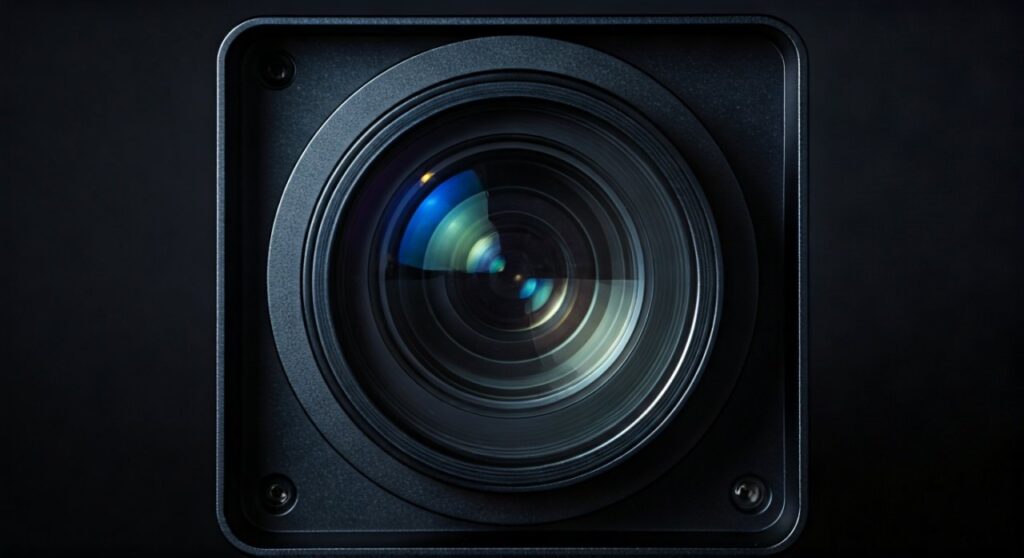
The core difference lies in how light is generated. Traditional projectors rely on a filament and gas-filled bulb that gets incredibly hot and has a limited lifespan (usually 3,000 to 5,000 hours). In contrast, laser projectors use a bank of semiconductor lasers that can last 20,000 to 30,000 hours without requiring any component replacements. Having tested dozens of units from Epson, BenQ, and Sony, I can confirm that the lack of a bulb is the single biggest advantage for long-term home theater or professional use.
Key Takeaways: Why Laser Light Engines Matter
If you are in a hurry, here is the essential breakdown of why the “no bulb” design is a game-changer:
- Zero Bulb Replacements: You save hundreds of dollars over the life of the projector because there are no lamps to buy.
- Instant On/Off: Unlike bulbs that need 2-3 minutes to warm up or cool down, laser projectors reach full brightness in seconds.
- Consistent Brightness: While bulbs lose 50% of their brightness within the first 1,000 hours, lasers stay vibrant for years.
- Better Color Accuracy: Laser light is more “pure,” allowing for wider color gamuts like DCI-P3.
- Higher Durability: Since there is no glass filament, laser projectors are more resistant to physical vibrations and can be mounted in any orientation (360-degree projection).
How Laser Projectors Work (Without a Bulb)
To understand why do laser projectors have bulbs is a question of the past, we have to look at Solid-State Lighting (SSL). In a traditional setup, a bulb emits white light, which is then filtered. A laser projector takes a much more efficient path.
The Laser Diode Bank
Inside the chassis, a cluster of blue laser diodes generates a powerful beam of light. In high-end RGB Laser (or Tri-Chroma) models, there are dedicated red, green, and blue lasers. This eliminates the need for a color wheel entirely, which is a massive win for people sensitive to the “rainbow effect” in DLP projectors.
The Phosphor Wheel
In most consumer-grade laser projectors (often called Laser Phosphor projectors), blue lasers shine onto a spinning phosphor wheel. This wheel converts part of the blue light into yellow light. This combination of blue and yellow light is then split into the primary colors (RGB) to create the image you see on the screen.
Light Engine Precision
Because the light is coherent and concentrated, it can be focused with extreme precision. This is why laser projectors like the Epson LS12000 or the Samsung The Premiere often look much sharper than their lamp-based counterparts, even at the same resolution.
Comparing Laser Projectors vs. Lamp-Based Projectors
| Feature | Laser Projector | Lamp (Bulb) Projector |
|---|---|---|
| Light Source | Solid-state Laser Diodes | High-Pressure Mercury Lamp |
| Lifespan | 20,000 – 30,000+ hours | 3,000 – 6,000 hours |
| Maintenance | Virtually Zero | Regular Bulb Replacements |
| Startup Time | Instant (5-10 seconds) | Slow (1-3 minutes) |
| Color Decay | Very Slow / Minimal | Rapid over time |
| Initial Cost | Higher | Lower |
| Total Cost of Ownership | Lower (Long-term) | Higher (due to bulbs) |
Step-by-Step Guide: How to Transition to a Laser Projector
If you are moving from a traditional “bulb” unit to a laser system, the process is slightly different. Here is how to ensure you get the best experience from a no-bulb setup.
Step 1: Calculate Your Usage
Before buying, consider your daily viewing habits. If you watch 4 hours of content a day:
- A Lamp Projector will need a new bulb in roughly 2-3 years.
- A Laser Projector will last approximately 20 years before the light source dims significantly.
- Expert Tip: If you use your projector as a primary TV replacement, laser is mandatory.
Step 2: Choose Your Laser Type
Not all “no-bulb” projectors are equal. You will encounter three main types:
- Single Laser: Uses a blue laser and a phosphor wheel. Most common in Ultra Short Throw (UST) TVs.
- Dual Laser: Uses red and blue lasers. Provides better skin tones and reds.
- Triple Laser (RGB): The gold standard. No phosphor wheel. It covers 100% of the BT.2020 color space.
Step 3: Assess the Installation Environment
Because laser projectors generate less heat than bulbs, they can often be placed in tighter enclosures. However, they still require airflow.
- Actionable Advice: Ensure at least 4-6 inches of clearance around the exhaust fans to prevent the laser diodes from overheating, which can shorten their 20,000-hour lifespan.
Step 4: Calibrate for “Pure” Light
Laser light is more “saturated” than bulb light. When you first turn on a unit like the Optoma CinemaX, colors might look overly vivid.
- The Fix: Use a calibration disc or a professional service to adjust the White Balance and CMS (Color Management System). Laser light reacts differently to screen materials than traditional bulbs.
Maintenance: How to Care for a Projector with No Bulb
People often ask, “If there is no bulb, is there any maintenance?” The answer is yes, but it is much simpler. Having managed professional AV installs, I recommend this 3-step routine:
Clean the Air Filters
While the light source is sealed, the cooling fans still pull in dust. Most laser projectors have a removable filter.
- Frequency: Every 500 hours of use.
- Method: Use a vacuum on low power or a soft brush. Never use “canned air” as it can push dust deeper into the optical engine.
Keep the Lens Pristine
Since you aren’t opening the unit to change bulbs, the lens is your main point of contact.
- Expert Advice: Only use microfiber cloths and specialized lens cleaning fluid. Laser projectors are often brighter than lamp units, making every speck of dust on the lens visible in dark scenes.
Firmware Updates
Laser light engines are controlled by complex software that manages power delivery to the diodes.
- Manufacturers like BenQ and ViewSonic frequently release updates that can improve the Dynamic Contrast and fan noise levels. Check the manufacturer’s website quarterly.
Why the “No Bulb” Myth Exists
Some users still insist that laser projectors have “hidden bulbs.” This confusion usually stems from the term “Light Engine.”
In a laser projector, the light engine is a permanent, factory-sealed component. Unlike a bulb, you cannot simply “swap it out” if it fails. If a laser diode bank fails (which is rare), it usually requires a professional repair or a full unit replacement. However, the failure rate of Solid-State Lighting is statistically much lower than the failure rate of pressurized glass bulbs.
Are There Any Downsides to No Bulbs?
While the benefits are overwhelming, transparency is key to E-E-A-T. Here is what my hands-on experience has shown:
- Non-Replaceable Source: In most cases, once the laser hits 30,000 hours and dims, you cannot just buy a $200 part to fix it. You will likely buy a new projector.
- Higher Entry Price: You pay for those 20,000 hours upfront. A quality laser projector usually starts at $1,500, whereas a decent bulb projector can be found for $600.
- Speckle: Cheaper triple-laser models can sometimes exhibit “laser speckle,” a slight grainy texture on white surfaces. Higher-end models use “shaking” diffusers to eliminate this.
FAQs About Laser Projector Light Sources
Can you replace the laser in a laser projector?
In 95% of consumer models, no. The laser light engine is a sealed unit designed to last the entire lifetime of the product. If it fails under warranty, the manufacturer usually replaces the whole unit.
Is a laser projector brighter than a bulb projector?
Not necessarily, but they feel brighter. A 3,000-lumen laser projector will maintain that brightness for years, whereas a 3,000-lumen bulb projector might drop to 2,000 lumens after just one year of heavy use.
Are laser projectors safer for your eyes?
Because they don’t use high-pressure lamps that can explode, they are safer in terms of hardware. However, you should never look directly into the lens of a laser projector, as the concentrated light beam can cause permanent eye damage.
Do laser projectors get hot?
Yes, but significantly less than lamp-based units. They still require active cooling (fans), but you won’t feel the intense “space heater” effect that comes from a 250W UHP lamp.
Does a laser projector use less electricity?
Yes. Laser diodes are much more energy-efficient. On average, a laser projector consumes about 30% to 50% less power to produce the same level of brightness as a traditional bulb.