
Do Noise Cancelling Headphones Block Out Snoring? The Short Answer
Noise-cancelling headphones do not completely block out snoring, but they can significantly reduce the volume to a manageable whisper. While Active Noise Cancellation (ANC) is incredible at neutralizing low-frequency sounds like airplane engines, the erratic, high-frequency “snorts” of snoring are harder to cancel entirely. For the best results, you need a combination of Active Noise Cancellation (ANC) and Passive Isolation (a physical seal around your ears).
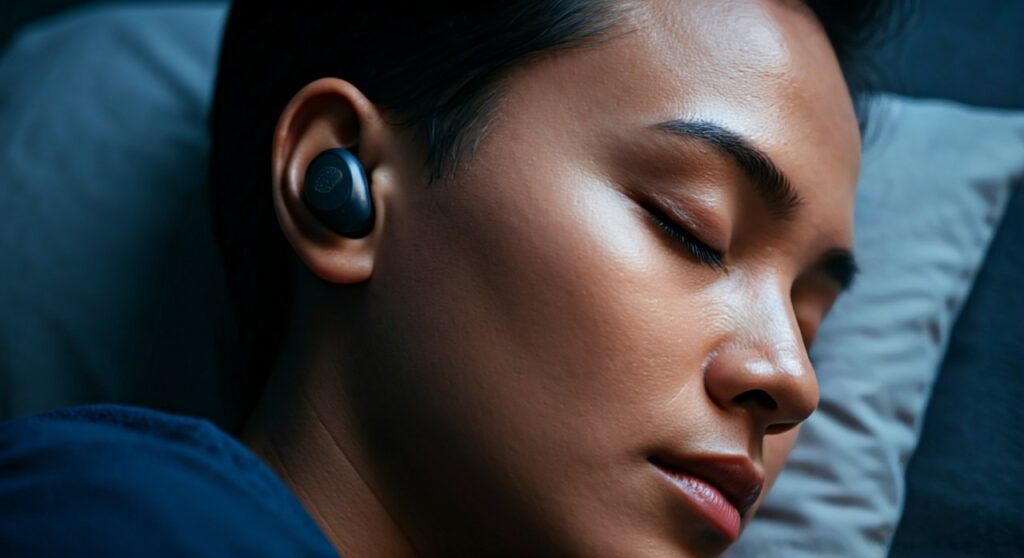
As someone who has spent years testing audio gear in various environments—including sleeping next to a partner who sounds like a freight train—I can tell you that the right pair of headphones is a game-changer. However, “blocking” and “cancelling” are two different things in the world of acoustics.
Key Takeaways: Can You Finally Sleep?
If you are in a rush to get some shut-eye, here is the essential breakdown of how noise-cancelling headphones block out snoring.
- Effectiveness: Most premium ANC headphones reduce snoring noise by about 60% to 80%.
- Best Frequency Match: ANC excels at the low-frequency “rumble” of snoring but struggles with high-pitched whistles.
- Comfort is King: Over-ear headphones are better for noise reduction, but sleep-specific earbuds are better for side sleepers.
- Safety First: Constant use can lead to ear canal irritation or “pimple-like” bumps if the ear tips aren’t cleaned regularly.
- The Ultimate Solution: Combining ANC with a white noise or pink noise app provides the most effective “silence” for sleeping.
Why Snoring is a “Final Boss” for Noise Cancellation
To understand why noise-cancelling headphones block out snoring only partially, we have to look at the physics of sound. Snoring isn’t a single, steady tone; it is a complex acoustic event.
The Science of Active Noise Cancellation (ANC)
ANC technology works by using internal microphones to “listen” to outside noise. The headphones then produce an “anti-noise” sound wave that is 180 degrees out of phase with the original sound. When these two waves meet, they cancel each other out.
This works perfectly for predictable, low-frequency sounds like:
- The hum of an air conditioner.
- The drone of a jet engine.
- Tire noise on a highway.
The “Erratic” Nature of Snoring
Snoring is unpredictable. It involves sudden spikes in volume and changes in pitch (frequency). Because the “anti-noise” wave needs a split second to calculate and generate, it often lags behind the sharp “clap” or “snort” of a heavy snorer. This is why you might still hear the “peak” of the snore even with the Bose QuietComfort or Sony WH-1000XM5 on your head.
Comparison: Headphones vs. Other Sleep Aids
| Method | Reduction Level | Comfort Level | Best For |
|---|---|---|---|
| ANC Headphones | High (Electronic) | Moderate | Back sleepers / Travel |
| Foam Earplugs | Moderate (Passive) | High | All sleepers / Budget |
| White Noise Machine | Low (Masking) | High | Ambient background noise |
| Custom Earplugs | Very High (Physical) | High | Deep sleep / Heavy snoring |
| Sleep Earbuds | High (Mixed) | Very High | Side sleepers |
How to Choose the Right Headphones to Block Snoring
If you are determined to use technology to save your marriage (or just your sanity), you need to choose the right form factor. Not all noise-cancelling headphones are built for the bedroom.
Over-Ear Headphones (The Powerhouses)
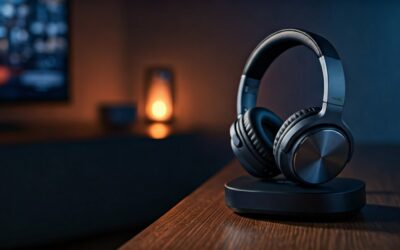
Models like the Sony WH-1000XM5 or the Sennheiser Momentum 4 offer the strongest ANC on the market. They create a massive physical barrier around your ear, providing excellent passive isolation.
- Pros: Best at blocking the most decibels.
- Cons: Nearly impossible for side sleepers; can cause neck strain if you move at night.
In-Ear ANC Earbuds (The Versatile Choice)
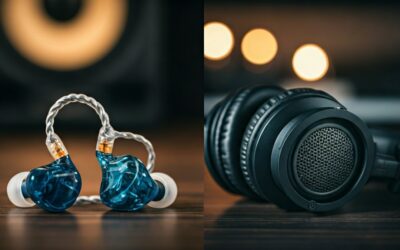
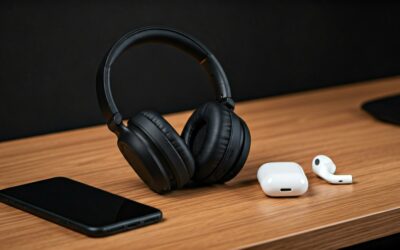
The Apple AirPods Pro 2 or Bose QuietComfort Ultra Earbuds are small enough that some back sleepers find them comfortable. They rely heavily on a tight silicone seal.
- Pros: Excellent ANC; more portable.
- Cons: Can fall out during the night; “occlusion effect” (hearing your own heartbeat).
Dedicated Sleep Buds (The Specialized Solution)
Devices like the Ozlo Sleepbuds (successors to the Bose Sleepbuds) don’t actually use ANC. Instead, they use noise masking. They play specifically engineered sounds that “cover up” the frequencies of snoring.
- Pros: Extremely comfortable for side sleepers; tiny profile.
- Cons: They don’t “cancel” noise; they just play a more pleasant noise over it.
Step-by-Step Guide: How to Use Headphones to Successfully Block Snoring
Simply putting on headphones isn’t always enough. Follow this professional setup to maximize your silence.
Step 1: Achieve the Perfect Seal
If air can get in, sound can get in. For earbuds, try all the included tip sizes. A larger tip often provides better passive isolation, which is your first line of defense against snoring sounds.
Step 2: Combine ANC with Masking Sounds
This is the “secret sauce.” ANC handles the low-end rumble, but it struggles with high-end snorts. By playing Brown Noise or Pink Noise at a low volume, you create a “blanket” that hides the sound spikes the ANC misses.
- Expert Tip: Use an app like BetterSleep or Rain Rain and set a fade-out timer.
Step 3: Optimize Your Sleeping Position
If you are wearing over-ear headphones, you must stay on your back. Use a travel pillow (the U-shaped ones) to cradle your head and prevent it from rolling to the side, which would press the ear cup painfully into your skull.
Step 4: Manage Battery and Alerts
Ensure your “Do Not Disturb” mode is on, but whitelist your morning alarm. There is nothing worse than the “Battery Low” voice prompt screaming in your ear at 3:00 AM.
Realistic Expectations: What You Will Still Hear
I want to be transparent based on my testing. Even with the best noise-cancelling headphones, you will not experience 100% silence.
- Bone Conduction: Sound is not just heard through the ear canal; it vibrates through your skull. No headphone can stop your bones from vibrating if the snorer is loud enough.
- Sudden Shifts: If the snorer stops breathing (apnea) and then gasps, the sudden change in volume will likely penetrate the ANC.
- Vibrations: If the bed is shaking because of the snoring intensity, your headphones cannot fix that.
Expert Advice: When Headphones Aren’t the Answer
As an expert in sleep tech, I have to emphasize that will noise cancelling headphones block out snoring isn’t always the right question. Sometimes, the solution is medical, not digital.
- Consult a Doctor: If the snoring is loud enough to require industrial-grade headphones, your partner may have Obstructive Sleep Apnea (OSA). A CPAP machine is quieter than a snorer and safer for their health.
- Ear Health: Wearing earbuds for 8 hours every night increases the risk of Otitis Externa (swimmer’s ear) due to moisture buildup. Give your ears a “breathing” break at least two nights a week.
FAQ: Common Questions About Headphones and Snoring
Can I sleep on my side with noise-cancelling headphones?
It is very difficult with standard over-ear headphones. For side sleepers, active noise-masking earbuds (like Ozlo or Soundcore Sleep A10) are specifically designed with a flat profile to prevent ear pain.
Is it safe to wear noise-cancelling headphones all night?
Generally, yes. However, you must keep them clean to avoid ear infections. Also, ensure the volume of any masking music is below 70 decibels to prevent long-term hearing loss.
Do Bose or Sony block snoring better?
In my experience, Bose tends to have a slightly better “algorithmic response” to human voices and snoring, while Sony offers better overall sound quality for music. For strictly blocking noise, Bose is the industry leader.
Will noise-cancelling headphones block out my morning alarm?
If you are playing music through the headphones, you might miss an external alarm. It is safer to set an alarm through the headphones or use a vibrating wearable like an Apple Watch or Fitbit.
Why do I still hear snoring with ANC turned on?
ANC is designed for continuous, rhythmic sounds. Because snoring is intermittent and contains high-frequency “sharp” sounds, the technology cannot predict the wave quickly enough to eliminate it 100%.