
Why Noise Cancelling Headphones Are Essential for Air Travel
Yes, noise cancelling headphones work on airplanes exceptionally well, specifically by neutralizing the low-frequency “drone” of jet engines through Active Noise Cancellation (ANC) technology. While they don’t silence every sound perfectly, they can reduce ambient cabin noise by up to 20 to 30 decibels, significantly lowering travel fatigue and protecting your hearing.
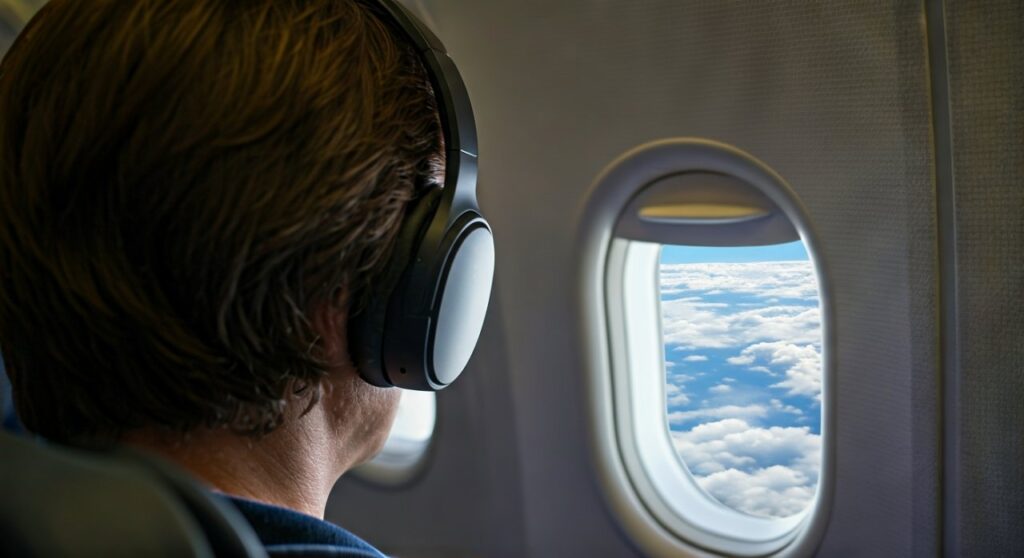
If you have ever stepped off a 10-hour flight feeling physically exhausted despite doing nothing but sitting, “noise fatigue” is likely the culprit. The constant roar of the Boeing or Airbus engines creates a high-stress environment for your ears. ANC headphones act as a sanctuary, allowing you to enjoy movies at lower volumes or sleep in a simulated pocket of silence.
Key Takeaways: Do Noise Cancelling Headphones Work on Airplanes?
- Primary Function: They use internal microphones to listen to external noise and create an “anti-noise” signal to cancel it out.
- Engine Noise: They are most effective against steady, low-frequency sounds (engine hum, air conditioning).
- Voice/Sudden Sounds: They are less effective against high-frequency, unpredictable sounds like a crying baby or loud announcements.
- Battery Life: ANC requires power; always ensure your device is charged or has a wired backup for long-haul flights.
- Top Models: The Sony WH-1000XM5, Bose QuietComfort Ultra, and Apple AirPods Max are currently the industry leaders for flight performance.
How Noise Cancelling Technology Actually Works in the Cabin
To understand why noise cancelling headphones work on airplanes, we have to look at the physics of sound. There are two types of noise reduction: Passive and Active.
Passive Noise Isolation
This is the physical blocking of sound. Think of it like putting your hands over your ears. High-quality ear cups made of memory foam or protein leather create a seal around your ear to block out high-frequency sounds.
Active Noise Cancellation (ANC)
This is the “magic” part. ANC uses tiny microphones on the outside of the earcups to pick up the ambient roar of the airplane. The internal processor then creates a sound wave that is the exact opposite (out of phase) of the engine noise.
When these two waves meet, they cancel each other out—a process known as destructive interference. This is why the low, rhythmic thrum of a turbofan engine disappears almost entirely when you toggle the ANC switch.
Step-by-Step Guide: How to Use Your Headphones on a Flight
Using noise cancelling headphones on a plane isn’t always as simple as turning them on. Follow these steps to maximize your experience:
- Charge Before You Leave: ANC technology drains battery life quickly. Aim for a full charge, as most premium headphones like the Bose QuietComfort series offer 20-30 hours of playback.
- Toggle to “Noise Cancelling” Mode: Most modern headphones have multiple modes (ANC, Transparency, and Off). Ensure you are in the maximum cancellation mode.
- Use the Airplane Adapter: Many in-flight entertainment systems still use a dual 3.5mm jack. Carry a two-prong airplane adapter in your carry-on to connect your wireless headphones via a cable.
- Calibrate for Cabin Pressure: High-end models like the Sony WH-1000XM5 have an Atmospheric Pressure Optimizer. Run the calibration via the app once you reach cruising altitude (approx. 30,000 feet) for the best results.
- Bluetooth Transmitter (Optional): If you hate wires, buy a Bluetooth transmitter (like the AirFly). Plug it into the seatback screen to beam the audio wirelessly to your headphones.
Comparison Table: Top Headphones for Air Travel in 2024
| Feature | Sony WH-1000XM5 | Bose QuietComfort Ultra | Apple AirPods Max |
|---|---|---|---|
| ANC Performance | Exceptional (Top for Voices) | Industry Best (Engine Hum) | High (Natural Sound) |
| Battery Life | 30 Hours | 24 Hours | 20 Hours |
| Weight | 250g (Lightweight) | 252g (Foldable) | 385g (Heavy) |
| Key Feature | Pressure Optimization | Immersion Mode | Ecosystem Integration |
| Portability | Hard Case (Non-folding) | Folds Flat | “Smart” Case (Bulky) |
Expert Tips for Maximizing Silence During Flight
As someone who has spent hundreds of hours in the air testing these devices, I recommend a few pro-level “hacks” to get the most out of your gear.
The “Double Up” Strategy
If you are sitting near the engine or a particularly loud group, wear foam earplugs (like 3M or Mack’s) underneath your over-ear ANC headphones. You can turn the volume of your music up slightly, and the combination of passive and active blocking creates near-total silence.
Mind the Seal
If you wear glasses, the arms can break the seal of the ear cushions. This allows air—and noise—to leak in. Look for headphones with soft, thick padding that can mold around your frames to maintain the acoustic seal.
Don’t Forget the App
Most users never download the companion apps (like Sony Headphones Connect or Bose Music). These apps allow you to adjust the “strength” of the cancellation and update the firmware, which often improves the ANC algorithm for better engine noise suppression.
Why You Should Invest in Noise Cancelling for Your Next Trip
Reduced Cortisol and Stress
Constant loud noise triggers the body’s “fight or flight” response, raising cortisol levels. By using ANC, you keep your nervous system calm, meaning you arrive at your destination feeling more refreshed.
Hearing Protection
In a noisy cabin, people often crank their earbud volume to 90% or 100% just to hear their music over the engines. With noise cancelling headphones, you can listen at a safe 50% volume, protecting you from long-term hearing loss or tinnitus.
Improved Sleep Quality
Sleeping on a plane is hard enough. Blocking out the clinking of drink carts, the “ding” of the call button, and the rustle of plastic bags makes it significantly easier to reach deep REM sleep during red-eye flights.
Frequently Asked Questions (FAQs)
Are noise cancelling headphones safe to use during takeoff and landing?
Generally, yes. Most airlines allow you to use Bluetooth headphones during all phases of the flight, provided they are in “Flight Mode.” However, always follow the flight attendant’s instructions, as some may ask you to remove them to hear safety briefings.
Can they block out a crying baby?
They can reduce the volume of a crying baby, but they won’t eliminate it entirely. ANC is best at blocking consistent, low-pitch sounds. A baby’s cry is high-pitched and erratic, which is harder for the digital processor to predict and cancel in real-time.
Do noise cancelling earbuds work as well as over-ear headphones?
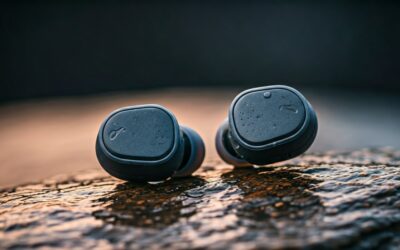
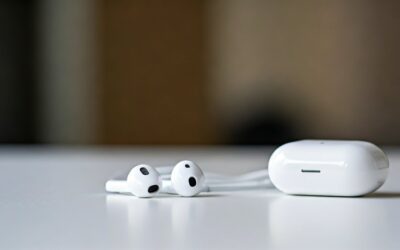
Modern earbuds like the Bose QuietComfort Ultra Earbuds or Apple AirPods Pro 2 have incredible ANC that rivals over-ear models. However, over-ear headphones still hold a slight advantage due to the passive isolation provided by the large ear cups.
Do I need to play music for the noise cancelling to work?
No. You can turn on the ANC and play nothing at all. This creates a “silent” environment, which is perfect for reading or sleeping without the distraction of music.
Will ANC help with ear popping/pressure?
No, noise cancelling headphones do not affect the physical air pressure in your middle ear. To help with “ear popping,” you still need to use methods like yawning, chewing gum, or using specialized EarPlanes earplugs.