

Understanding the Core Mystery: How Do Headphones Use Electromagnets?
Headphones use electromagnets to convert electrical energy into audible sound through a process called electromagnetic induction. This occurs when an alternating electrical current from your device flows through a voice coil (the electromagnet), creating a fluctuating magnetic field that reacts with a permanent magnet. This interaction causes a diaphragm to vibrate rapidly, pushing air molecules to create the sound waves you hear.
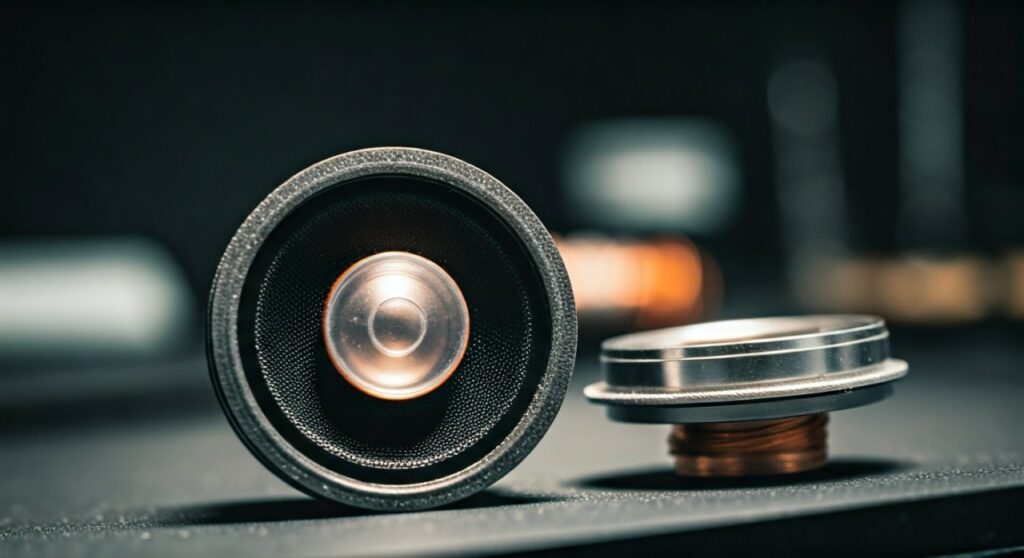
Whether you are an audiophile or a casual listener, understanding this physical conversion is the key to appreciating high-fidelity audio. In my years of testing studio-grade equipment, I have found that the quality of the electromagnetic assembly is what separates a tinny, cheap pair of earbuds from a pair of high-end Sennheiser or Sony headphones.
Key Takeaways: The Science of Sound
If you are looking for a quick summary of the mechanics involved, here are the essential points:
- The Voice Coil: A thin wire coil that becomes a temporary electromagnet when electricity passes through it.
- The Permanent Magnet: Usually made of Neodymium, this provides a constant magnetic field for the voice coil to push against.
- The Interaction: As the electrical signal (music) changes direction, the electromagnet is alternately attracted to and repelled by the permanent magnet.
- Vibration to Sound: This movement vibrates a diaphragm, which moves the air and creates sound waves.
- Precision: The electromagnet can move thousands of times per second to replicate complex frequencies.
The Essential Components of an Electromagnetic Driver
To understand how do headphones use electromagnets, we must first look at the “Driver”—the engine of the headphone. Most headphones use a Dynamic Driver (also known as moving-coil).
The Permanent Magnet
In most modern headphones, the permanent magnet is a high-grade Neodymium (NdFeB) magnet. These are preferred over Ferrite because they are significantly stronger relative to their size, allowing for smaller, lighter headphones with powerful bass.
The Voice Coil
This is the “electromagnet” part of the equation. It is a very fine coil of wire, often made of oxygen-free copper or copper-clad aluminum (CCAW). When no current is flowing, it is just a piece of metal. When your phone sends a signal, it becomes a magnet.
The Diaphragm
The diaphragm is a thin membrane, often made of PET plastic, cellulose, or even beryllium. It is physically attached to the voice coil. When the coil moves, the diaphragm moves with it.
Step-by-Step: How Do Headphones Use Electromagnets to Create Music?
The journey from a digital file on your smartphone to the melody in your ears involves several precise electromagnetic steps.
Step 1: Receiving the Electrical Signal
Your audio source (phone, laptop, or DAC) sends an Alternating Current (AC) through the headphone cable. This current represents the audio waveform—it is essentially a “blueprint” of the sound wave.
Step 2: Activating the Electromagnet
As the current enters the voice coil, it generates a magnetic field around the wire. Because the current is Alternating (AC), the poles (North and South) of this magnetic field flip back and forth constantly.
Step 3: Magnetic Interaction (The Lorentz Force)
The voice coil sits inside the magnetic field of the permanent magnet. According to the laws of electromagnetism:
- Like poles repel each other.
- Opposite poles attract each other.
- As the voice coil’s poles flip, it is rapidly pushed away from and pulled toward the permanent magnet.
Step 4: Diaphragm Movement
Since the voice coil is glued to the diaphragm, every tiny movement of the coil is mirrored by the membrane. If the electrical signal is a 440Hz tone (the note A4), the electromagnet will vibrate exactly 440 times per second.
Step 5: Displacing Air
The vibrating diaphragm pushes and pulls the air directly in front of it. This creates areas of high pressure (compression) and low pressure (rarefaction). These pressure waves travel into your ear canal, vibrate your eardrum, and are interpreted by your brain as music.
Comparison of Magnetic Materials in Headphones
The strength and weight of the magnet used significantly impact the efficiency and frequency response of the headphones.
| Magnet Type | Material Strength | Weight | Common Application |
|---|---|---|---|
| Neodymium (N42-N52) | Extremely High | Very Light | High-end IEMs and Over-ear headphones |
| Ferrite (Ceramic) | Medium | Heavy | Budget speakers and vintage headphones |
| Alnico | High | Heavy | High-end boutique speakers |
| Samarium Cobalt | High | Light | High-temperature industrial audio |
Expert Insight: Why Electromagnets Matter for Audio Quality
In my experience repairing and tuning audio drivers, I’ve noticed that the “speed” of the electromagnet is what defines “detail” in audio.
Transient Response
A lighter voice coil (electromagnet) can stop and start moving more quickly. This is known as Transient Response. If the electromagnet is too heavy, it has “inertia,” meaning it keeps moving even after the music signal stops, leading to “muddy” or “boomy” sound.
Magnetic Flux Density
The tighter the magnetic field (higher Tesla rating), the more control the headphone has over the diaphragm. Brands like Beyerdynamic use “Tesla Technology,” which utilizes incredibly powerful magnets to ensure the electromagnet responds to even the tiniest electrical whispers.
Voice Coil Winding
The way the wire is wound around the electromagnet affects Impedance.
- High Impedance (250+ Ohms): Uses thinner wire with more windings, creating a more precise electromagnetic field but requiring more voltage (an amplifier).
- Low Impedance (16-32 Ohms): Uses thicker wire, making it easier for phones to drive, but sometimes losing fine detail.
Beyond Dynamic Drivers: How Other Headphones Use Electromagnetism
While 90% of headphones use the moving-coil method described above, other technologies utilize electromagnetism differently.
Planar Magnetic Headphones
In Planar Magnetic drivers (like those from Audeze or Hifiman), the electromagnet isn’t a round coil. Instead, it is a flat series of conductive traces spread across a large, thin film.
- The entire film acts as the electromagnet.
- It is suspended between two arrays of powerful permanent magnets.
- The entire surface moves at once, resulting in incredibly low distortion and faster response times.
Balanced Armature Drivers
Common in high-end In-Ear Monitors (IEMs), these use a small “armature” (a metal reed) wrapped in a coil.
- The coil becomes an electromagnet and pivots the armature.
- The armature is connected to a drive rod that moves a tiny diaphragm.
- This design is incredibly tiny and efficient for reproducing high frequencies.
How to Maintain the Electromagnetic Health of Your Headphones
Since headphones rely on delicate magnetic interactions, certain environmental factors can degrade their performance over time.
- Avoid Strong External Magnets: Placing your headphones near industrial-strength magnets can theoretically “degauss” or shift the alignment of the internal permanent magnets.
- Keep Dry: Moisture can cause the voice coil (the electromagnet) to corrode or short-circuit, leading to a “dead” driver.
- Prevent Clipping: Driving your headphones with an overpowered, distorted signal can overheat the thin wires of the electromagnet, melting the insulation and destroying the driver.
- Avoid Physical Shock: Dropping headphones can crack Neodymium magnets, which are surprisingly brittle, or knock the voice coil out of its precise alignment (centering).
FAQs: Common Questions About Headphone Electromagnets
Can the magnets in my headphones damage my brain?
No. The magnetic fields generated by headphones are extremely localized and very weak. They have no documented physiological effect on the human brain or body.
Why do some headphones need an amplifier if they have magnets?
The magnets provide the stationary field, but the electromagnet (voice coil) needs a specific amount of “push” (voltage and current) to move the diaphragm effectively. High-impedance headphones have more resistance in their electromagnetic coils, requiring an external amp to reach listening volumes.
Do magnets in headphones wear out over time?
Permanent magnets like Neodymium lose about 1% of their strength every 100 years under normal conditions. Usually, the foam pads or the plastic diaphragm will degrade decades before the magnets lose their charge.
What is “Burn-in” for headphone electromagnets?
“Burn-in” refers to the idea that the mechanical parts (diaphragm and spider) need time to loosen up. While the electromagnet itself doesn’t change, the physical flexibility of the materials it moves can shift slightly during the first 40-50 hours of use.
Why are my headphones making a “crinkling” sound?
This is often “Planar Crinkle” or diaphragm distortion. It happens when air pressure causes the thin material attached to the electromagnet to fold or flex unnaturally. It is usually a mechanical issue rather than an electromagnetic one.