

Understanding the Core: How Do Wired Headphones Work?
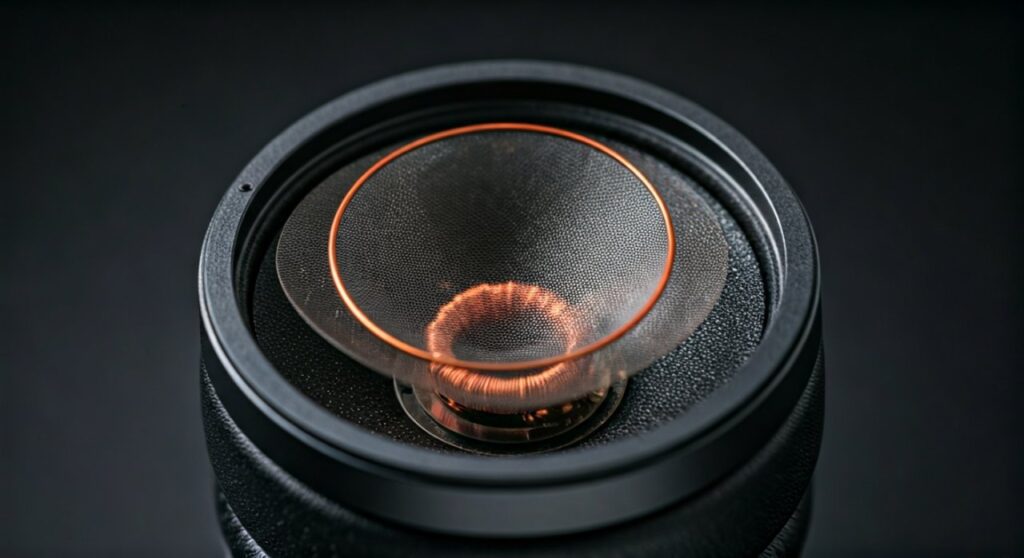
Wired headphones work by converting electrical energy into mechanical energy, which then creates sound waves. This process, known as transduction, happens when an analog electrical signal travels from your device through a copper wire to a voice coil inside the headphone. The coil interacts with a permanent magnet to vibrate a thin diaphragm, pushing air to create the sound you hear.
In my experience testing hundreds of audio devices, the beauty of wired headphones lies in their simplicity and signal integrity. Unlike wireless versions, there is no compression or latency because the signal remains analog from the amplifier to your ears.
Key Takeaways: How Wired Headphones Function
If you are in a hurry, here are the essential points regarding the mechanics of wired headphones:
- Signal Path: The audio starts as a digital file, is converted to analog by a DAC, and travels via a physical cable.
- The Driver: This is the “engine” of the headphone, consisting of a magnet, voice coil, and diaphragm.
- Electromagnetism: The fluctuating electrical current creates a moving magnetic field around the coil, causing it to move back and forth.
- Acoustic Output: The moving coil vibrates the diaphragm, which moves air molecules to create audible sound pressure levels (SPL).
- Zero Latency: Because the connection is physical, there is no delay, making them the gold standard for professional monitoring and gaming.
What Are Wired Headphones?
Before diving into the physics, let’s define what are wired headphones in the modern landscape. These are audio transducers that require a physical connection—usually a 3.5mm jack, USB-C, or Lightning cable—to receive an audio signal.
While the world is moving toward Bluetooth, audiophiles and engineers still rely on wired sets because they avoid the data loss associated with wireless codecs. Wired headphones act as a direct extension of your playback device’s amplifier.
The Step-by-Step Process of Sound Creation
Understanding how do wired headphones work requires looking at the journey of a sound wave. It is a five-step transformation from data to music.
The Source and Digital-to-Analog Conversion
Your phone or laptop stores music as digital bits (0s and 1s). However, your headphones cannot “read” digital data; they need analog voltage.
A component called a DAC (Digital-to-Analog Converter) inside your device turns those bits into a continuous electrical wave. If you use high-end wired headphones, using an external DAC/Amp can significantly improve the clarity and power of this signal.
Transmission Through the Cable
The analog signal travels through the headphone cable. Most high-quality cables use Oxygen-Free Copper (OFC) or Silver to ensure the signal doesn’t degrade.
The cable typically has three or four internal wires:
- Left Channel (Positive)
- Right Channel (Positive)
- Ground (Common return path)
- Microphone/Remote (Optional fourth wire)
Entering the Voice Coil
Once the signal reaches the earcups, it enters the voice coil. This is a very fine coil of wire attached to the back of the diaphragm.
As the electrical current flows through this coil, it generates a magnetic field. Because the audio signal is an alternating current (AC), the magnetic field constantly changes its polarity and strength.
The Interaction with the Magnet
Inside the driver assembly sits a powerful permanent magnet (often made of Neodymium). According to the laws of electromagnetism, the changing magnetic field of the voice coil is either attracted to or repelled by the permanent magnet.
This causes the coil—and the attached diaphragm—to move rapidly back and forth. The speed of this movement determines the frequency (pitch), while the distance of the movement determines the amplitude (volume).
Moving Air: The Birth of Sound
The diaphragm is a thin membrane (often made of Mylar, biocellulose, or even beryllium). As it vibrates, it pushes and pulls the air molecules in front of it.
These pressure waves travel through your ear canal and hit your eardrum. Your brain interprets these vibrations as the music, podcasts, or game sounds you love.
Comparing Headphone Driver Technologies
Not all wired headphones use the same internal “engine.” The type of driver significantly impacts how the sound is produced and the final audio quality.
| Driver Type | How it Works | Pro | Con |
|---|---|---|---|
| Dynamic (Moving Coil) | Standard coil and magnet setup. | Great bass, affordable, durable. | Can have more distortion at high volumes. |
| Planar Magnetic | Flat diaphragm with magnets on both sides. | Incredible detail, very low distortion. | Heavy, usually requires an amplifier. |
| Electrostatic | Diaphragm moved by static electricity. | Ultimate clarity and “airiness.” | Extremely expensive, needs a special energizer. |
| Balanced Armature | Small pivoting arm inside a coil. | Very small, used in IEMs. | Often lacks deep bass response. |
Key Technical Specifications Explained
When researching how do wired headphones work, you will encounter several technical terms. As an audio professional, I always tell people to look at these three metrics:
Impedance (Measured in Ohms)
Impedance is the electrical resistance of the headphones.
- Low Impedance (16–32 Ohms): Easy to drive with a phone or laptop.
- High Impedance (250–600 Ohms): Requires a dedicated headphone amplifier to reach usable volumes but offers better control over the driver.
Sensitivity (Measured in dB/mW)
Sensitivity measures how loud the headphones get at a specific power level. If a pair of headphones has low sensitivity, you will need a more powerful source to make them sound “alive.”
Frequency Response
This range (e.g., 20Hz – 20,000Hz) tells you the lowest and highest sounds the headphones can reproduce. While most headphones cover the human hearing range, high-end “Hi-Res” certified gear often goes up to 40kHz to ensure a smoother roll-off in the audible spectrum.
Why Wired is Still Better for Audio Fidelity
While convenience favors wireless, wired headphones remain the choice for critical listening. Based on my time in recording studios, here is why:
- No Compression: Bluetooth uses “codecs” (like SBC or APTX) that compress audio data to fit through the air. Wired connections offer lossless transmission.
- No Battery Anxiety: A wired pair will never die in the middle of a flight or a mixing session.
- Longevity: Without an internal lithium-ion battery that degrades over 2-3 years, a good pair of wired headphones can last 20+ years.
- The Analog Connection: There is a certain “warmth” and “dynamic range” that is preserved when you don’t have to convert the signal back and forth between digital and analog multiple times.
Common Connectivity Standards
How your wired headphones connect to your source has evolved. Here are the most common standards you’ll see today:
- 3.5mm TRS: The standard headphone jack found on older phones and computers.
- 6.35mm (1/4 inch): The “big” plug found on professional audio interfaces and home receivers.
- USB-C / Lightning: These headphones actually have a tiny DAC built into the connector or the cable itself.
- Balanced (XLR / 4.4mm): These use separate ground wires for each channel to eliminate electrical noise and interference over long cable runs.
Expert Tips for Maintenance
To keep your wired headphones working perfectly for years, follow these practical steps I’ve learned from maintaining studio gear:
- Avoid Tight Coiling: Never wrap your cable tightly around your phone or hand. This creates internal stress on the copper strands. Use the “over-under” coiling method instead.
- Keep the Jack Clean: Lint from your pocket can get stuck in your phone’s headphone jack, causing “crackling” sounds. Use a toothpick or compressed air to clean it out.
- Pull from the Plug: Always grab the hard plastic housing of the connector when unplugging, never pull on the wire itself.
- Replaceable Cables: If possible, buy headphones with detachable cables. The cable is usually the first part to fail; being able to swap it for $20 saves you from buying a whole new $300 headset.
FAQs: How Do Wired Headphones Work?
Do wired headphones need power?
Most standard wired headphones are “passive,” meaning they get all the power they need from the electrical signal sent by your device. However, some specialized types, like Active Noise Cancelling (ANC) wired headphones or Electrostatic headphones, do require an external battery or power source.
Why does my headphone cable have three rings?
The rings on a 3.5mm jack are insulators that separate different parts of the signal. Two rings (3 sections) mean “Stereo” (Left, Right, Ground). Three rings (4 sections) usually mean “Stereo + Microphone.”
Can I use wired headphones with a phone that has no jack?
Yes, you can use a dongle (USB-C to 3.5mm adapter). These dongles contain a miniature DAC and Amplifier to convert the digital signal from your phone’s charging port into the analog signal your headphones require.
Does the thickness of the cable matter?
To a point, yes. A thicker cable often has better shielding to prevent electromagnetic interference (EMI) from your Wi-Fi or cell signal. It also typically uses more copper, which can lower resistance, though the audible difference is often subtle.