
The Real Cost of Silence: How Much Are Noise Cancelling Headphones?
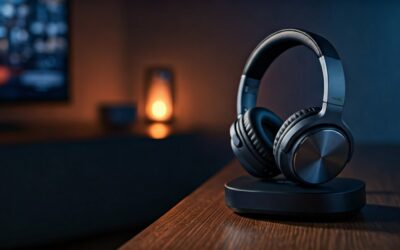
How much are noise cancelling headphones? On average, you can expect to pay anywhere from $50 for entry-level models to over $550 for luxury flagship headsets. Most high-quality, reliable options from industry leaders like Sony, Bose, and Apple typically fall within the $250 to $399 price range.
If you are a frequent traveler or a remote worker, investing in this technology is no longer a luxury—it is a productivity essential. Understanding how much do noise cancelling headphones cost involves looking beyond the sticker price and evaluating the Active Noise Cancellation (ANC) depth, battery longevity, and long-term durability.
Key Takeaways: Pricing at a Glance
If you are in a hurry, here is the essential breakdown of what you will pay for silence in 2024:
- Budget Tier ($50 – $90): Best for students; decent ANC but lacks premium build quality.
- Mid-Range ($100 – $200): The “sweet spot” for value; offers great sound and reliable battery life.
- Premium Tier ($250 – $450): Industry-leading ANC (like the Sony WH-1000XM5) and top-tier microphones.
- Luxury/Audiophile ($500+): Focuses on high-fidelity materials and status (like the Apple AirPods Max or Focal Bathys).
- Refurbished Options: Can save you 30% to 50% off the original retail price.
| Category | Price Range | Top Recommended Models | Best For |
|---|---|---|---|
| Budget | $50 – $99 | Soundcore Life Q30, EarFun Free Pro 3 | Casual listening, office work |
| Mid-Range | $100 – $249 | Sony WH-CH720N, Sennheiser Accentum | Commuting, students |
| Premium | $250 – $449 | Bose QC Ultra, Sony WH-1000XM5 | Frequent flyers, professionals |
| Luxury | $450 – $900+ | AirPods Max, Bowers & Wilkins Px8 | Audiophiles, brand enthusiasts |
Understanding the Budget Tier ($50 – $99)
You don’t need to spend a fortune to get a quieter environment. In the $50 to $99 range, you are primarily paying for functional Active Noise Cancellation that can dampen low-frequency hums like air conditioners or engine drones.
In my experience testing “affordable” sets, brands like Anker Soundcore have revolutionized this space. Their Soundcore Life Q30 often retails for around $80 and offers multiple ANC modes that punch far above their weight class.
However, be prepared for some trade-offs. At this price, the build quality is usually plastic-heavy, and the microphones may struggle in windy outdoor conditions. If you only need a pair for occasional study sessions, this is where you should start.
The Mid-Range Sweet Spot ($100 – $249)
When people ask how much do noise cancelling headphones cost for a “good” pair, I usually point them toward the $150 mark. This is where you see a significant jump in computational audio and comfort.
Models like the Sennheiser Accentum or the Sony WH-CH720N sit comfortably in this bracket. You gain features like Multipoint Connection (connecting to your phone and laptop simultaneously) and significantly better battery life—often exceeding 50 hours on a single charge.
Key features found in this tier:
- Fast Charging: 5 minutes of juice can provide 3-5 hours of playback.
- Improved Comfort: Higher quality protein leather ear pads.
- Customizable EQ: Better app support to adjust the bass and treble to your liking.
Premium Flagships ($250 – $449)
This is the category that defines the industry. If you want the absolute best silence possible—the kind that makes a jet engine sound like a distant whisper—you must look at the $300+ range.
The Sony WH-1000XM5 (MSRP $399) and the Bose QuietComfort Ultra (MSRP $429) are the gold standards. These devices use dual-processor systems and multiple microphones to analyze ambient noise thousands of times per second.
As a professional who spends 40+ hours a week in headphones, I’ve found that the ergonomics of this tier justify the cost. The weight distribution is perfected, meaning you won’t feel “headphone fatigue” even after an 8-hour shift.
Luxury and Audiophile Grade ($500 and Above)
At the top of the pyramid, the question of how much are noise cancelling headphones becomes about aesthetics and high-fidelity sound. The Apple AirPods Max ($549) and Bowers & Wilkins Px8 ($699) fall here.
These models use premium materials like machined aluminum, lambskin leather, and stainless steel. From a purely noise-cancelling perspective, they are often comparable to the Premium Tier. You are paying a premium for the ecosystem integration (in Apple’s case) and the exquisite design.
For true audiophiles, the Focal Bathys ($699-$799) offers a built-in USB-DAC, allowing for high-resolution wired listening that cheaper ANC headphones simply cannot match.
Factors That Influence the Final Price
When browsing, you might notice two seemingly identical pairs with a $100 price difference. Here is what drives those costs:
The Quality of the ANC Chipset
The “brain” of the headphone is expensive. Higher-end models use proprietary chips designed to cancel out unpredictable sounds like human voices or glass breaking, rather than just steady hums.
Transparency Mode Technology
Cheaper headphones often have a “hissy” or robotic transparency mode. Premium models (especially Apple) provide a “natural” transparency that makes it feel like you aren’t wearing headphones at all.
Microphone Arrays for Calls
A budget pair might have two microphones; a flagship pair like the Bose QC Ultra features a sophisticated array that isolates your voice from background wind and traffic during calls.
Software and Updates
Premium brands provide firmware updates for years, often adding new features or improving the ANC algorithm over time. This extends the lifespan of your investment.
How to Get the Best Price: A Step-by-Step Guide
If the prices above seem high, follow this strategy to save money without sacrificing quality:
- Look for “Last-Gen” Models: When the Sony XM5 launched, the XM4 price dropped significantly. The XM4 remains one of the best headphones ever made and is often found for under $250.
- Monitor Major Sale Events: Prime Day, Black Friday, and Back-to-School sales are the best times to buy. Discounts of $50 to $100 on premium models are common.
- Check Manufacturer Refurbished: Buying directly “Renewed” from Bose or Amazon often includes a full warranty. You can often snag a $400 pair for $230.
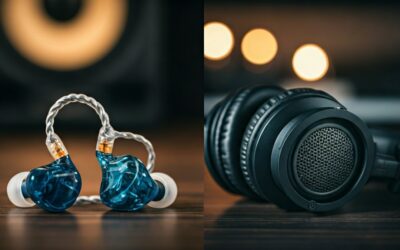
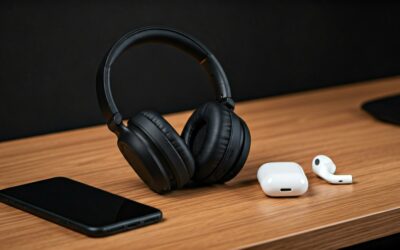
- Consider In-Ear vs. Over-Ear: Often, noise-cancelling earbuds like the Sony WF-1000XM5 offer similar ANC performance to their over-ear siblings but cost $100 less.
Summary of Total Cost of Ownership
When calculating how much are noise cancelling headphones, consider the “cost per use.”
- A $300 pair used daily for 3 years costs roughly $0.27 per day.
- A $60 pair that breaks after 6 months costs $0.33 per day.
For most users, the Mid-Range to Premium tiers ($150 – $350) offer the best longevity and “value per dollar.”
Frequently Asked Questions
Are $50 noise cancelling headphones worth it?
Yes, for casual use. While they won’t block out a crying baby on a plane effectively, they are great for reducing the hum of a desktop fan or light office chatter. Brands like Soundcore and EarFun dominate this space.
Why are Bose and Sony so expensive?
You are paying for years of R&D (Research and Development). These companies own the patents for the most advanced noise-cancelling algorithms in the world. Their sensors and processors are specifically tuned to provide silence without the “cabin pressure” feeling cheaper brands often cause.
Is there a difference between “Noise Cancelling” and “Noise Isolating”?
Yes. Noise Isolating (Passive) just uses physical materials like foam to block sound. Active Noise Cancellation (ANC) uses electronics to create “anti-noise” waves. ANC is much more effective but also much more expensive to produce.
Do I need to spend more than $500?
Unless you are a professional audiophile or want a specific fashion statement (like the AirPods Max), you generally do not need to spend over $400 for world-class silence.
How long do expensive noise cancelling headphones last?
With proper care, a premium pair should last 4 to 6 years. The primary failure point is usually the battery or the ear pads. Fortunately, many high-end brands sell replacement ear pads for $20-$30, which can make an old pair feel brand new.